Lily of the Valley

Mount Olivet, Nashville, Tennessee

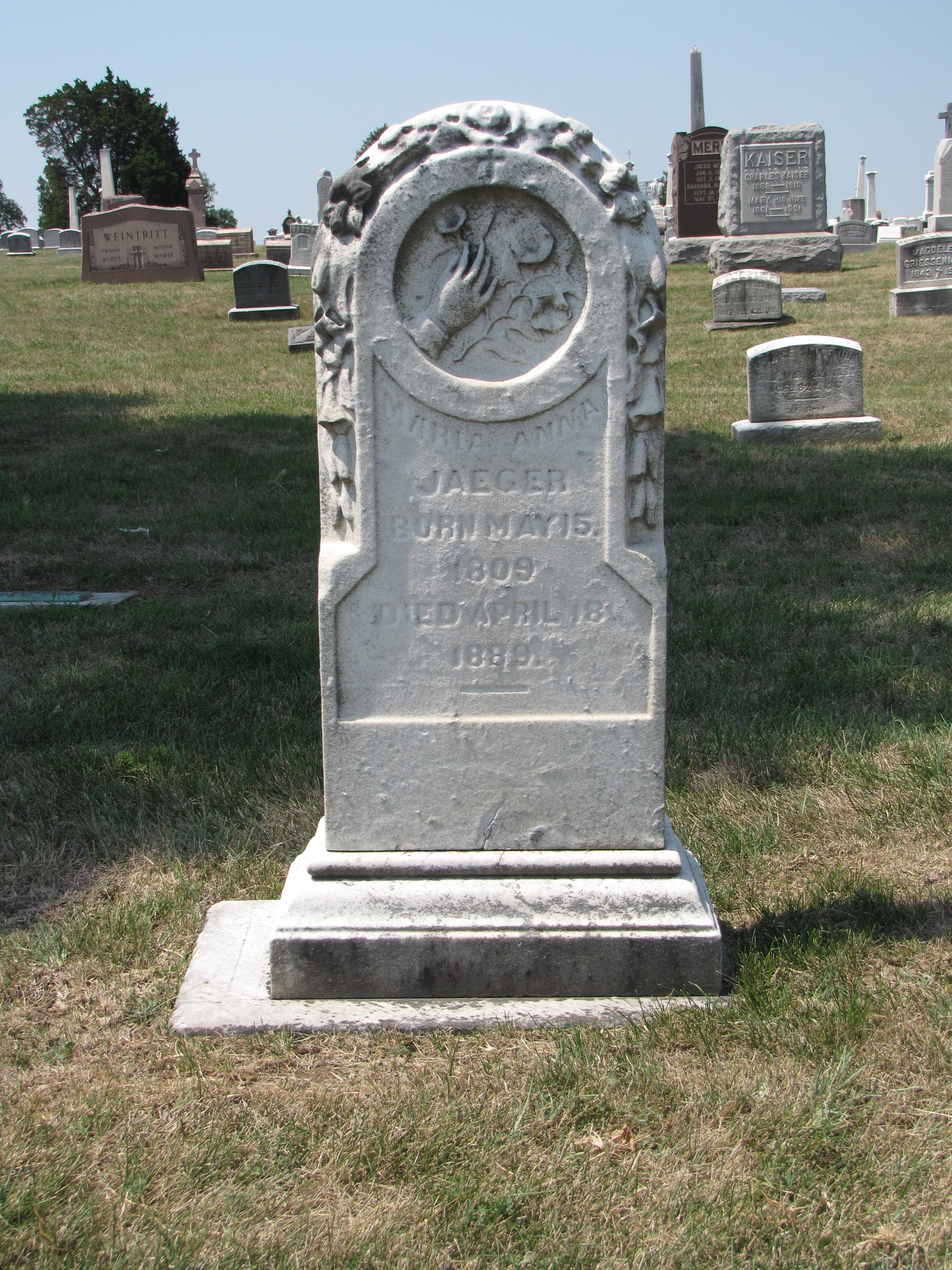
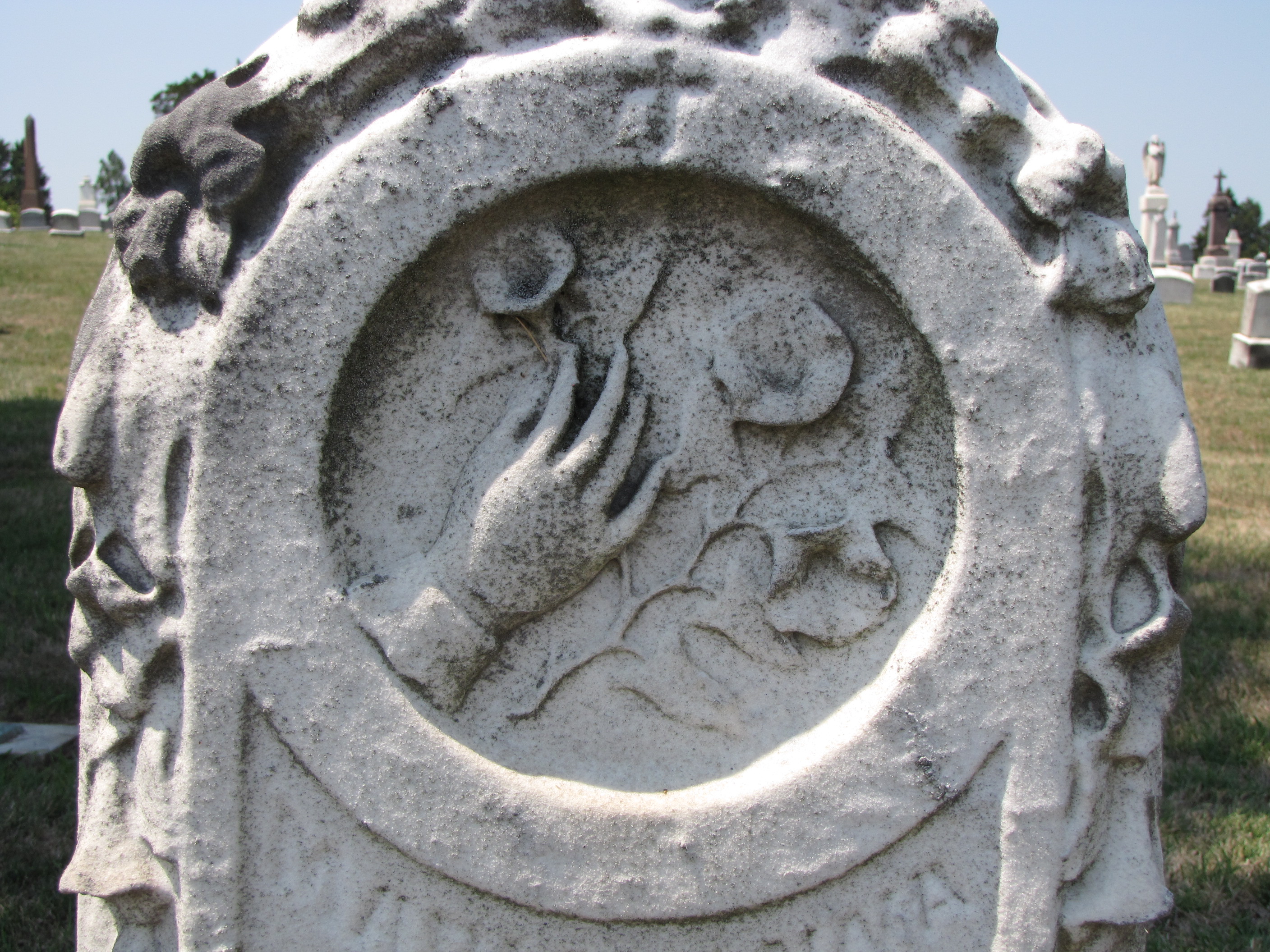
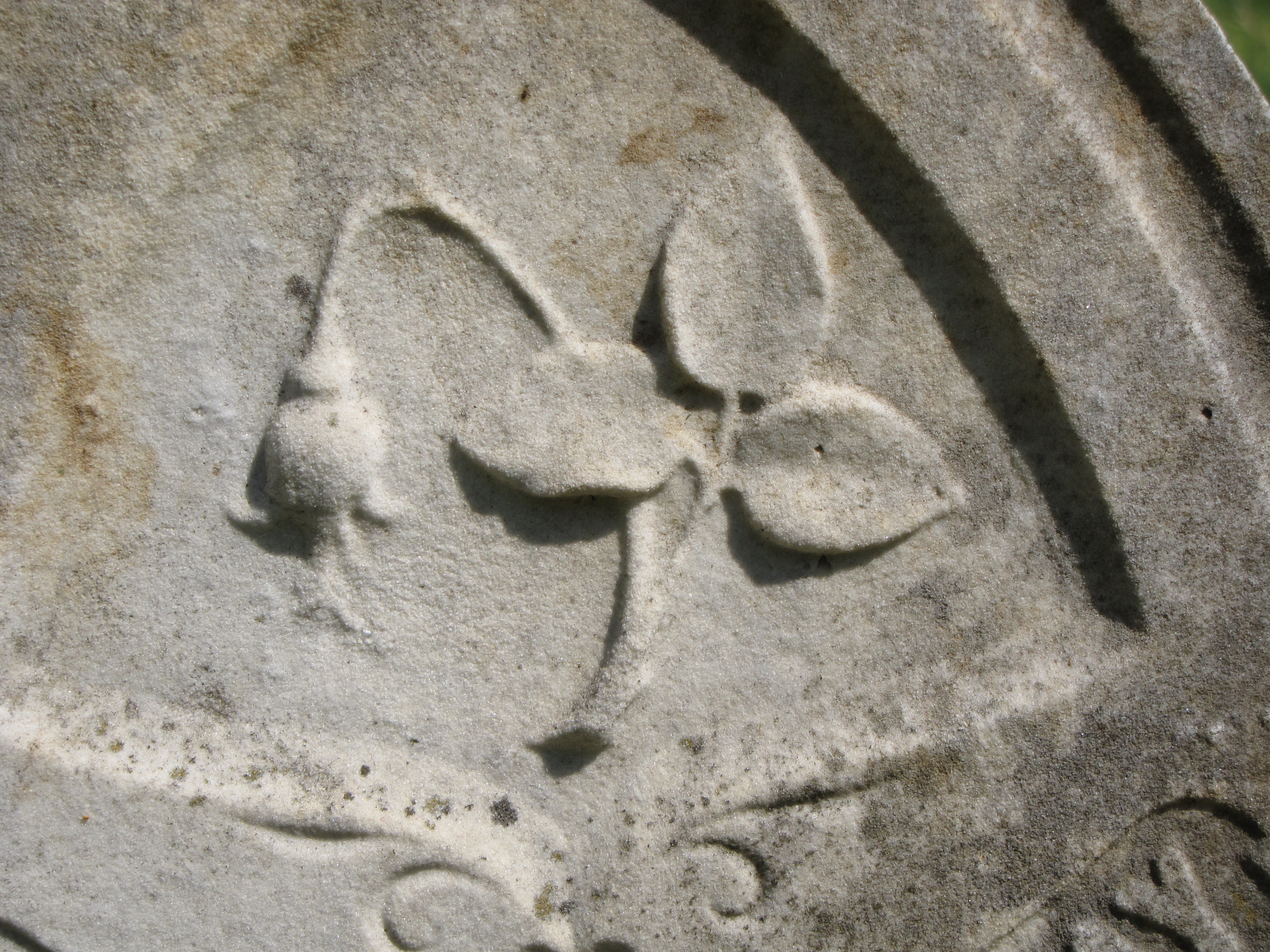
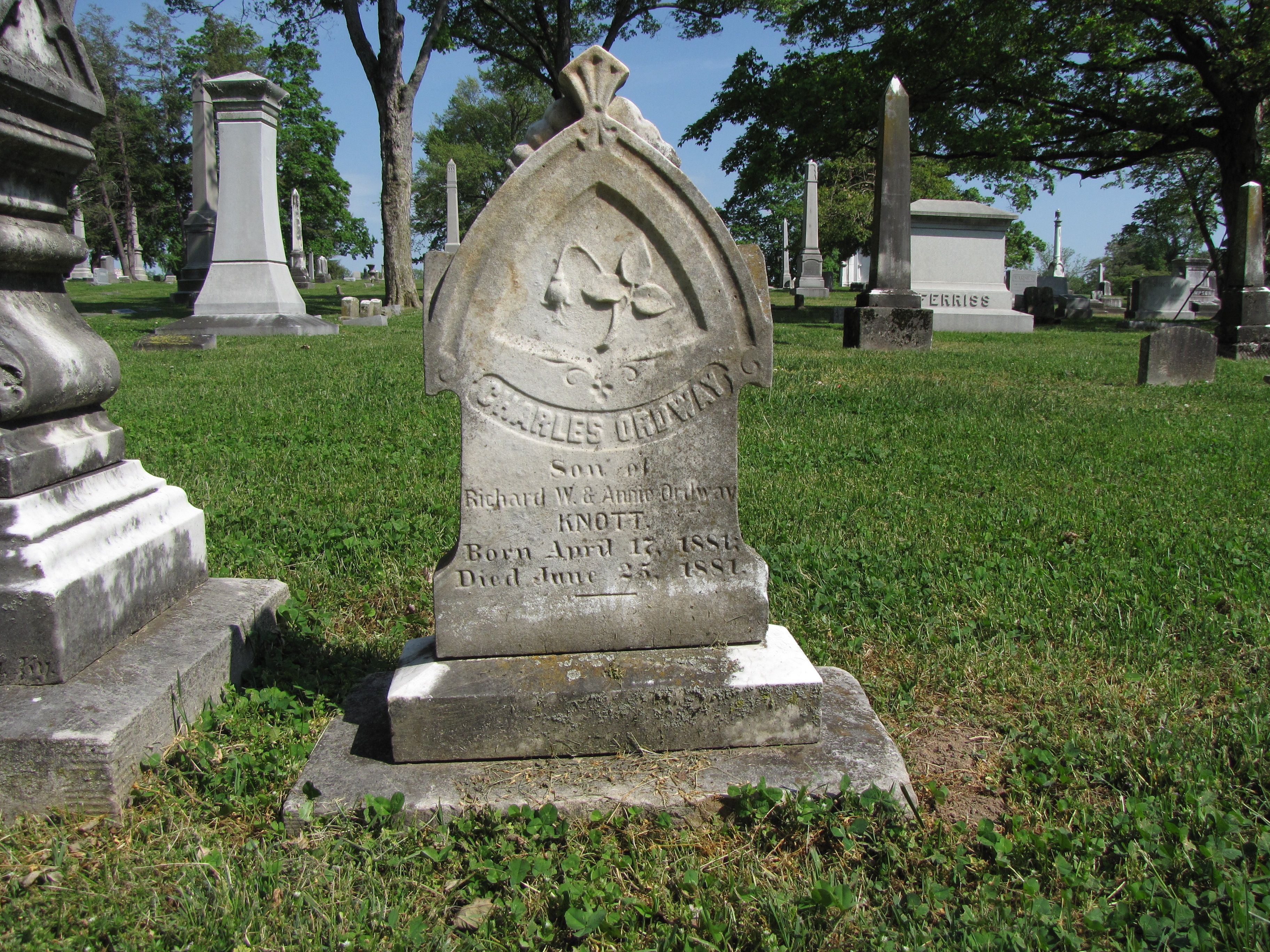
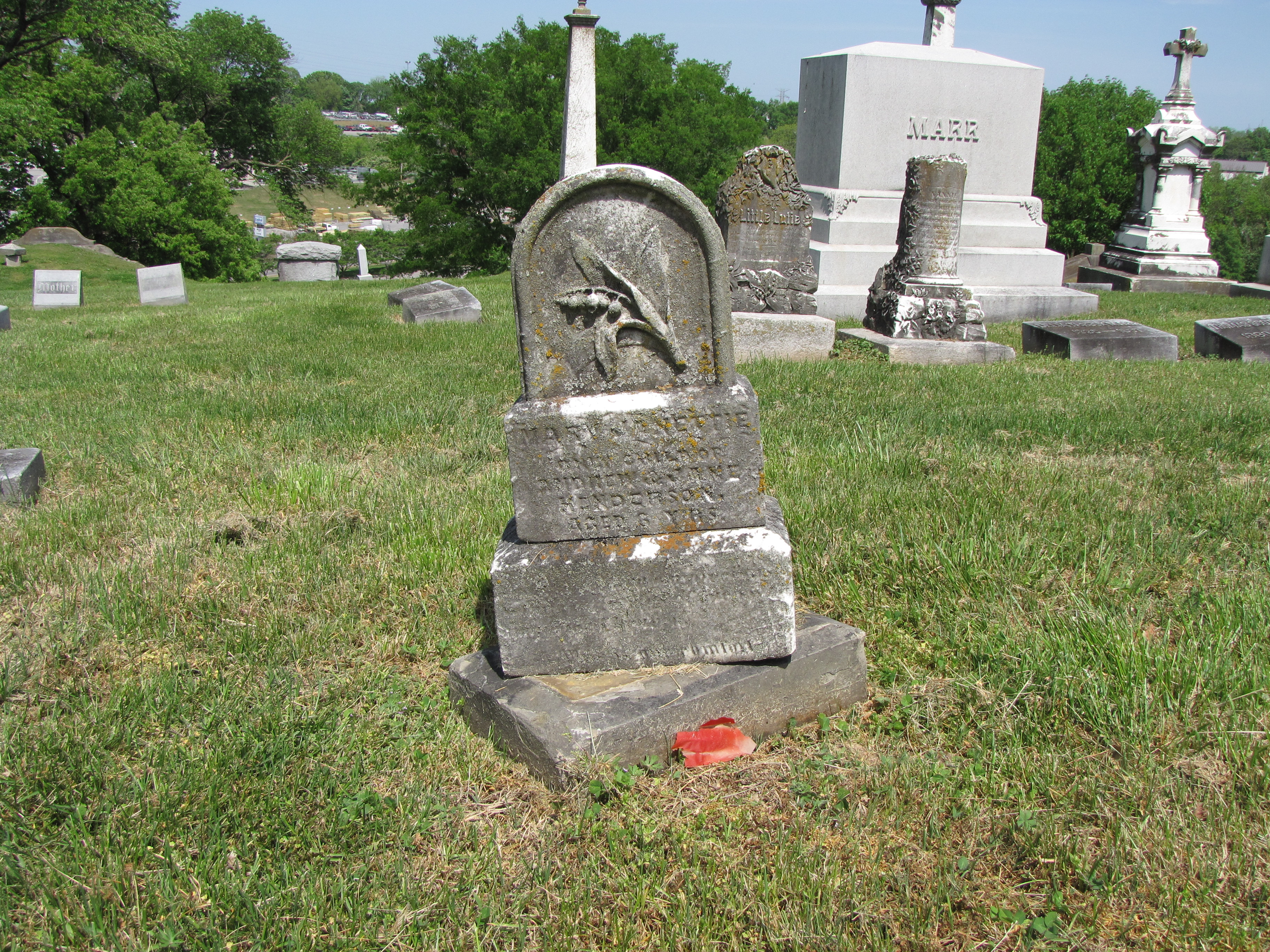
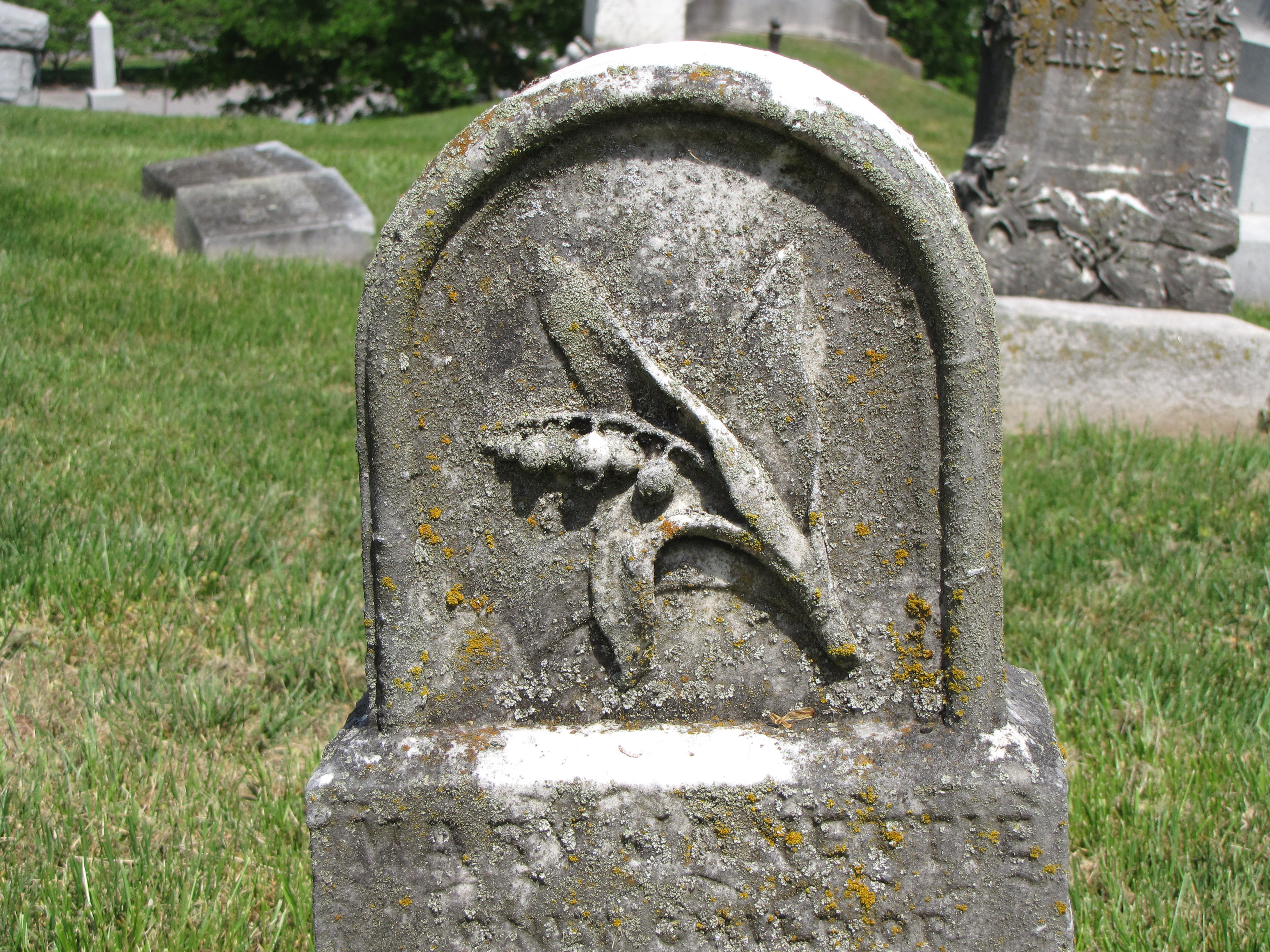
The lily of the valley is much like other lilies in funerary art and viewed as a symbol of innocence and purity.  Because of the lily of the valley’s symbolic meanings of innocence and purity it is likely the reason the motif adorns the grave of six-year old Mary J. Nettie Henderson who is buried at the Mt. Olivet Cemetery at Nashville, Tennessee.

Lichens eat away at the soft white marble gravestone, but the lily of the valley is still clearly visable.  Like so many floral symbols found in our cemeteries, they had multiple meanings to the Victorians.  The lily of the valley also symbolized happiness and humility.

MARY JANETTIE

only child of

ANDREW and JANE

HENDERSON

AGED 6 Y’RS

Posted in Symbolism | Leave a comment

Lamb


The McGavock Family Cemetery lies on the Carnton Plantation.  The cemetery is the resting place for many McGavock family members including Randall McGavock who built the family home.  After the battle of Franklin, Tennessee, the McGavocks set aside two acres of their land for the fallen Confederate soldiers from the battle.  Nearly 1500 Confederate soldiers were disinterred from their temporary graves after the battle and reinterred on the McGavock farm creating what is the largest private military cemetery in the United States.  For decades the McGavock family cared for the graves.

The McGavock Cemetery lies adjacent to the Confederate Cemetery.  John Randall McGavock’s grave is marked by a lamb resting atop his monument.

The lamb is the symbol of the Lord, the Good Shepherd. It also represents innocence, likely the reason why this motif usually adorns the tombstones of infants and young children. Most often the lamb is lying down, often asleep and sometimes with a cross behind the lamb.

JOHN RANDALL

Infant Son of

JOHN & CAROLINE

E. McCAVOCK

BORN June 5, 1854

DIED

Sept. 11, 1854

Posted in Uncategorized | Leave a comment

Clasping Hands

Clear Creek Christian Church Cemetery, Bloomington, Indiana

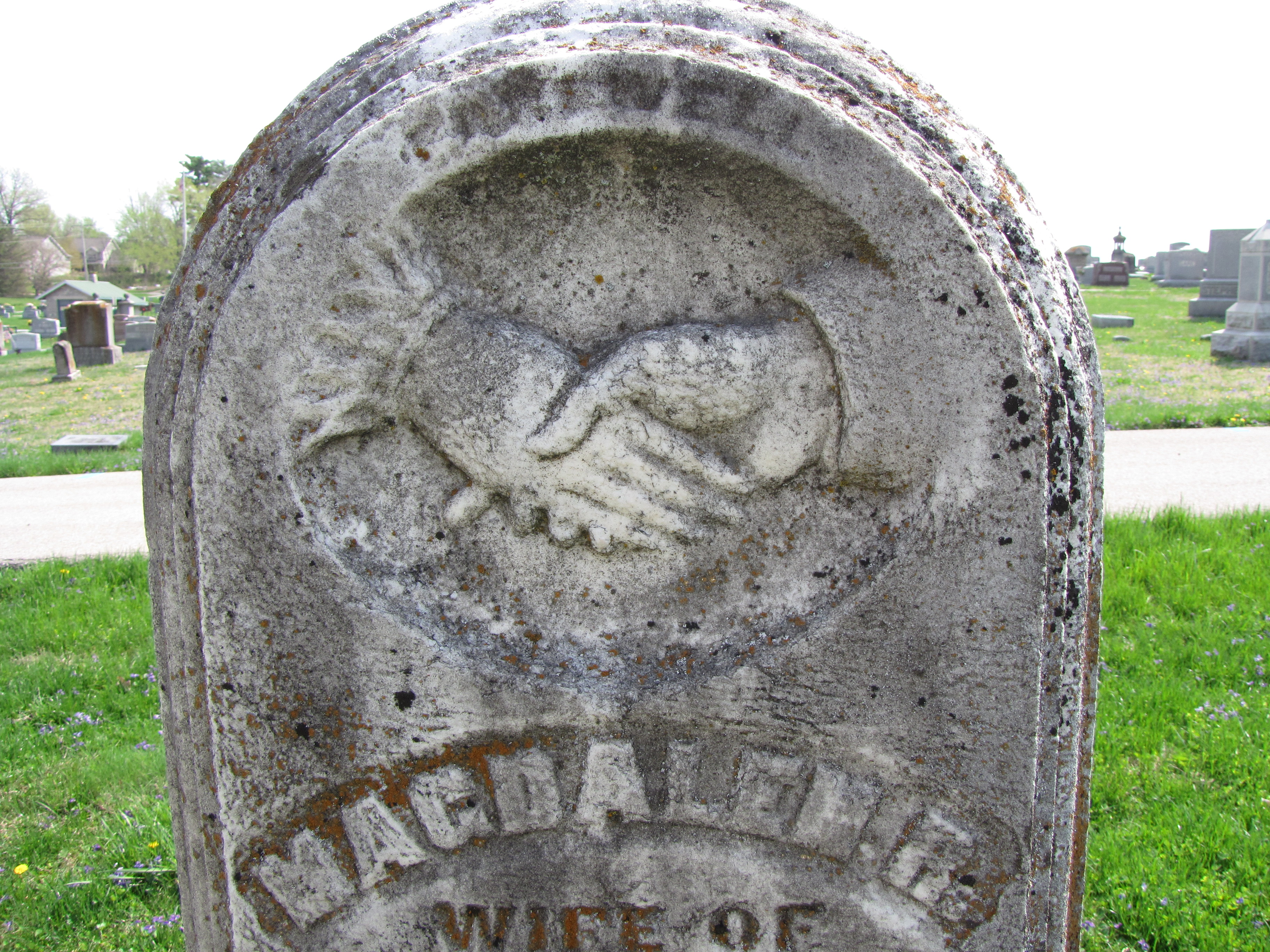
The gravestone of Magdalen Blakely at the Clear Creek Christian Church Cemetery at Bloomington, Indiana, displays one of the most common motifs found in American cemeteries—clasping hands.  The clasping hands on this gravestone represent holy matrimony, symbolizing the holy union between a man and a woman. The hand on the left side of the motif is clearly the hand of the female, her cuff is ruffle. The hand on the right side is the male’s, with a shirt’s cuff  barely visible from underneath a suit jacket.

MAGDALEN R.

WIFE OF

JOHN BLAKELY

DIED

July 23, 1871

AGED

52 Ys. 10M & 9Ds.

Posted in Symbolism | Leave a comment

Pieta, Indiana Style

Clear Creek Church Christian Cemetery, Bloomington, Indiana

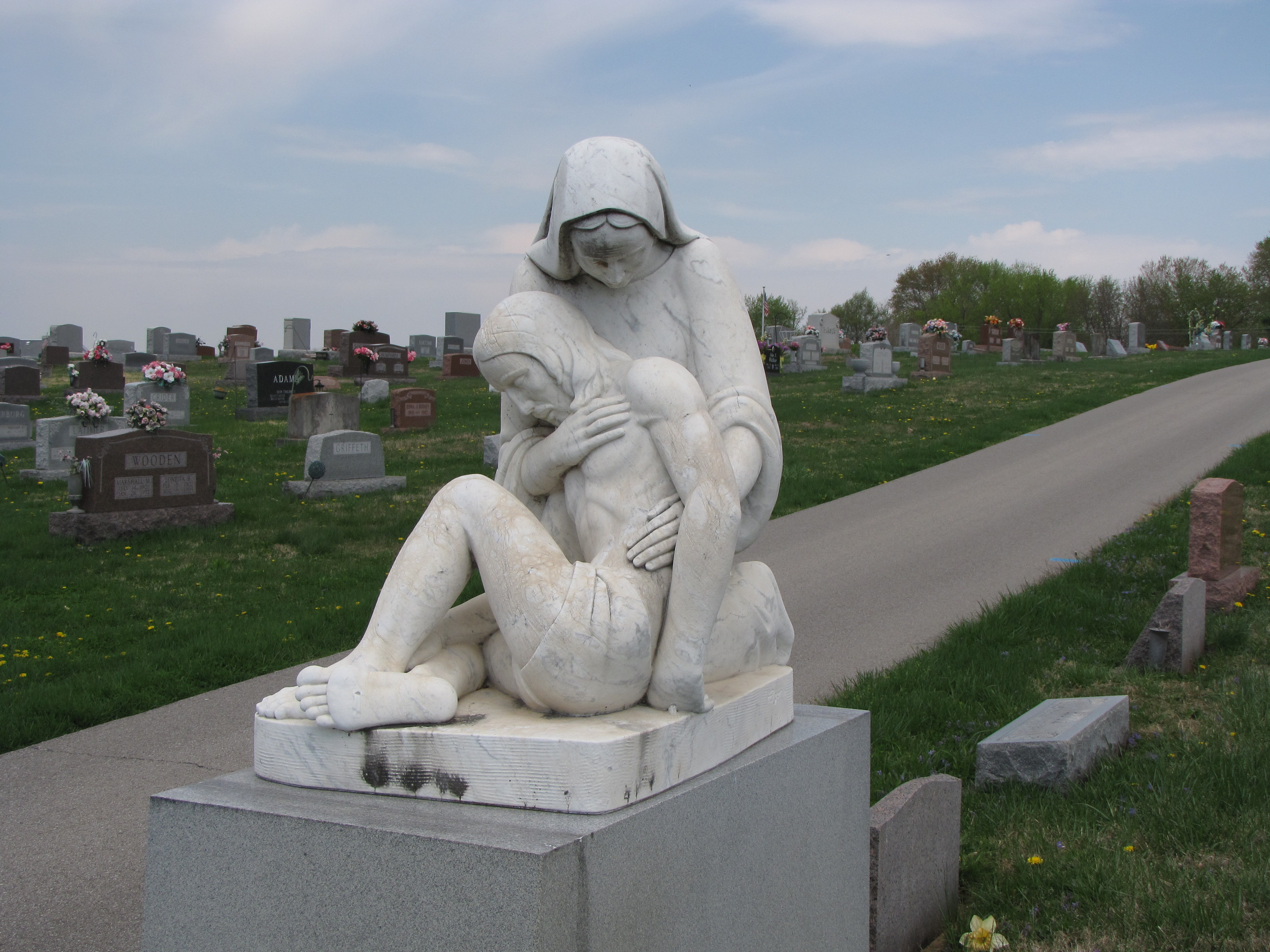
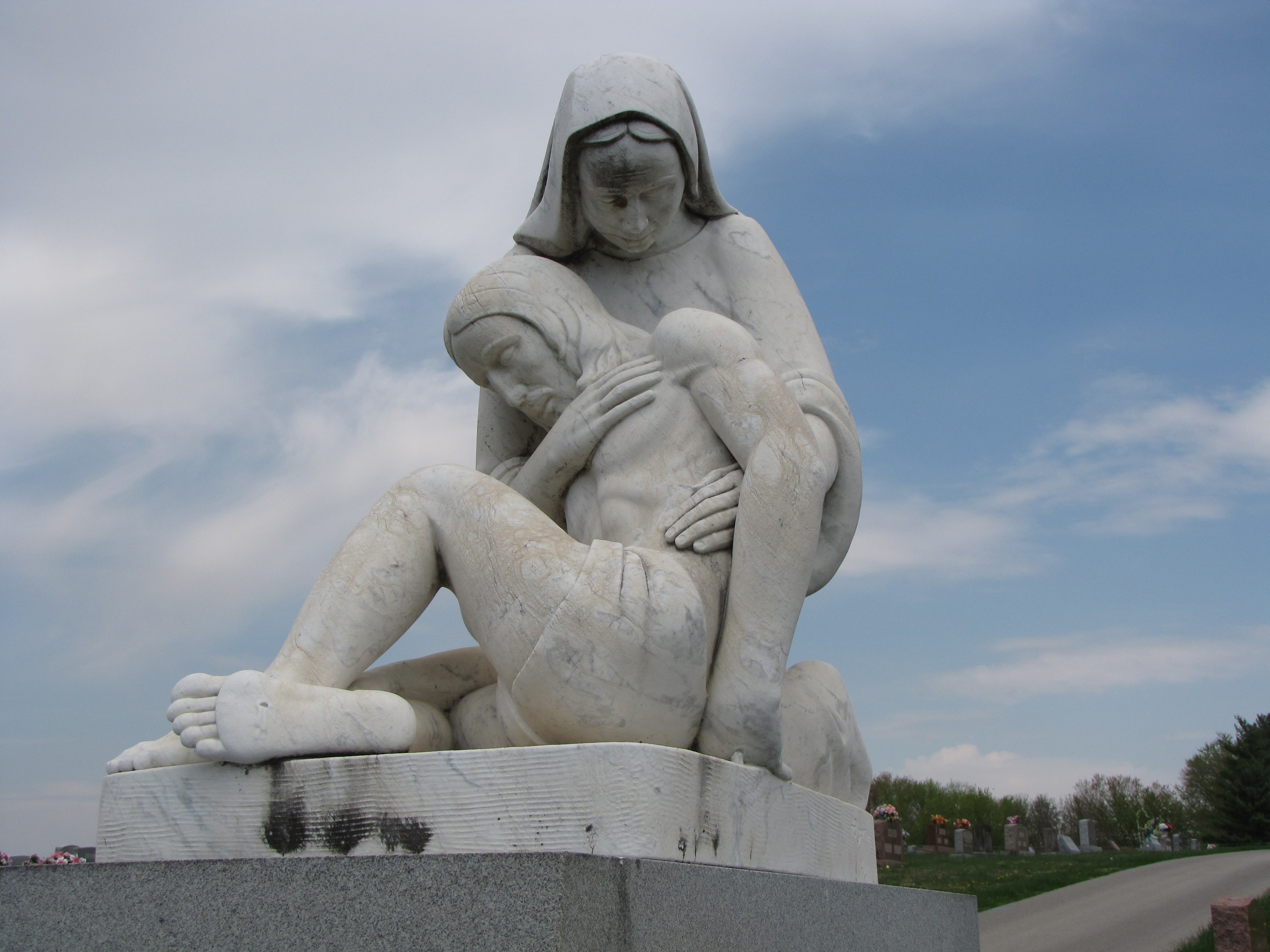
The Harold and Pauline Elgar monument in the Clear Creek Christian Church Cemetery at Bloomington, Indiana, features an example of a pieta.  Here The Virgin Mary tenderly holds the limp and dead body of Jesus Christ, clutching Him close, her head bowed in sorrow.  The white marble sculpture is reminiscent of the sculptures that were first popularized in Germany depicting the Lamentation.

In the Heilbrunn Timeline of Art History (http://www.metmuseum.org/toah/works-of-art/2001.78 (October 2006)) a Bohemian Pieta on display at the Metropolitan Museum of Art is described in details that as easily could apply to the monument at Clear Creek, “Images of the Virgin with the dead Christ reflect late medieval developments in mysticism that encouraged a direct, emotional involvement in the biblical stories… The sculptor exploits the formal and psychological tensions inherent in the composition…Christ’s broken, emaciated body, naked except for the loincloth, offers a stark contrast to the Virgin’s youthful figure, clad in abundant folds.”

The sculptor, Harold Dugan Elgar, carved this statue in 1968, as it turns out for his own grave.  Elgar was far from the origin of this type of religious artwork but was schooled successfully in the art of stonecarving.

Posted in Uncategorized | Leave a comment

The Pieta

Calvary Cemetery, Nashville, Tennessee

The Pete and Annie Riley monument in the Calvary Cemetery at Nashville, Tennessee, features a white marble sculpture of the Virgin Mary and the dead body of Jesus Christ.

Works of art, usually sculptures, depicting this subject first began to appear in Germany in the 1300s and are referred to as “vesperbild” in German.

Images of Mary and the dead body of Jesus began to appear in Italy in the 1400s.  The most famous of these sculptures is Michelangelo’s pieta which he sculpted for St. Peter’s Basilica in the Vatican, carved when he was only 24 years old.

Pieta is Italian for “pity.”

Posted in Uncategorized | Leave a comment

Three Score and Ten

The Old Dutch Burying Ground, Sleepy Hollow, New York

In the Old Dutch Burying Ground of Sleepy Hollow in New York lies the grave of Solomon Brewer, Revolutionary War soldier.  The epitaph on his gravestone makes a reference to a passage found in the King James Bible, Psalm 90 verse 10, “The days of our years are threescore and ten; and if by reason of strength they be fourscore years, yet is their strength labour and sorrow; for it is soon cut off, and we fly away.”  The Geneva Bible of 1650 says it this way, “The time of our life is threscore yeres & ten, and if they be of strength, foure score yeres: yet their strength is but labour and sorowe for it is cut of quickely, and we flee away.”

The term score was first found in the English versions of the Bible.  Score was an English term which was shorthand for 20, so three score was 60 years plus ten was 70.  Brewer lived to be 77, 3 years shy of fourscore.

Solomon Brewer

Who departed this life March

the 18th A. D. 1824

Aged 77 Years, 9 Months

and 14 days.

Life is at best a narrow bound,

That heaven allows to men;

While pain and sorrow fills the round,

Of three score years and ten.

Posted in Uncategorized | 2 Comments

The Thistle

Mt. Olivet Cemetery, Nashville, Tennessee

The thistle is characterized by a purple or red flower that rests in a cup-shaped part of the stem and has prickly leaves and thorns that protect it from plant-eating animals.  The thistle is in the family Asteraceae.

This flower, like so many symbols in funerary art, represents many different things.  For instance, the thistle, with its thorns, can symbolize the Passion of Christ.  The thorns on the plant remind the Christian viewer of Christ’s crown of thorns.  It is also a symbol of earthly sorrow.  After Adam ate of the tree of life, God said to Adam that the ground was cursed to him for disobeying Him and that Adam would eat in sorrow.  God said that, “Thorns also and thistles shall it bring forth to thee…”.

The thistle is also the floral symbol of Scotland most likely adopted by the Scots because, as legend has it, a Norse army was about to attack a Scottish army encampment when an opposing soldier stepped on a thistle.  The soldier cried out alerting the Scots to the presence of the Norsemen.  This legend is also likely to be the origin of the Scottish motto, Nemo me impune lacessit, which is translated as No one attacks me with impunity or No one can harm me unpunished.  The motto is a fitting slogan for the thislte, as well, because to eat it or pick it, one has to overcome the thorns.

The gravestone below marks the grave of a native of Scotland.

Jannette Turner

Wife of

Matthew Henderson

Born March 2, 1830

Died July 2, 1871

Blessed are the dead who die in the Lord.

Matthew Henderson

Born Nov’r 6, 1825

At Roslin, Scotland,

Died April 28, 1893.

Mt. Olivet Cemetery, Nashville, Tennessee

Posted in Uncategorized | Leave a comment

A Firefighter’s Grave Marker, Part 2

Old Tenet Presbyterian Church Cemetery, Tenet, New Jersey

The metal markers placed beside the tombstones of volunteer and full-time firefighters vary in size and shape but usually display traditional iconography.

Maplewood Cemetery, Freehold, New Jeresy

Old Brick Reformed Church, Holmdel, New Jersey


Posted in Uncategorized | Leave a comment

A Firefighter’s Grave Marker

South Haven Fire Department, South Haven Michigan

Styles for grave markers to commemorate firefighters’ service are varied.  Some are designed with very little ornamentation looking like a plain badge while others display a myriad of different firefighters’ iconography.

Old Brick Reformed Church Graveyard, Holmdel, New Jersey

This marker honoring a volunteer firefighter from the Morganville Fire Department in New Jersey prominently features the distinctive firemens hat.  The original hats were made of leather, often with an eagle adorning the top.  Because of the material, leather, that they were made of firefighters were dubbed “leatherheads“.

Maplewood Cemetery, Freehold, New Jersey

This marker commemorating service in the Relief Engine Company displays the most iconic tools in the firefighter’s repitoire–the bugle, the nozzle, the protective hat, the axe, the hook, and the ladder encircled in a hose.


Posted in Uncategorized | Leave a comment

Individual Service

Harlingen Reformed Church Cemetery, Belle Mead Cemetery, New Jersey

Men and women who have worked as firefighters either as volunteers or as full-timers have their service commemorated in the cemetery in a number of ways.  Sometimes there are communal plots where the departed members are buried together around a memorial or monument.  In some cases they are buried together in communal tombs.  Most often, however, their service is marked by a metal marker that is placed next to their gravestone.  The markers almost resemble a badge and almost always display some of the tools and iconography associated with firefighting such as the hook and ladder, the distinctive hat, the bugle, and the nozzle.

Harlingen Reformed Church Cemetery, Belle Mead, New Jersey

Posted in Uncategorized | Leave a comment