
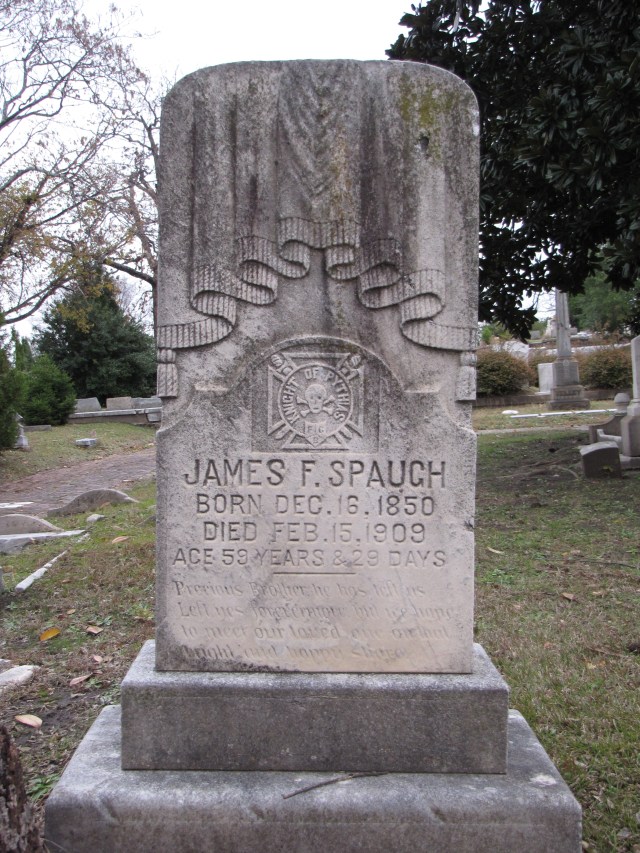
- Oakland Cemetery, Atlanta, Georgia
JAMES F. SPAUGH
BORN DEC. 16, 1850
DIED FEB. 15, 1909
AGE 59 YEARS & 29 DAYS
Precious Brother he has left us
Left yes forevermore but we hope
to meet our loved one on that
bright and happy shore.
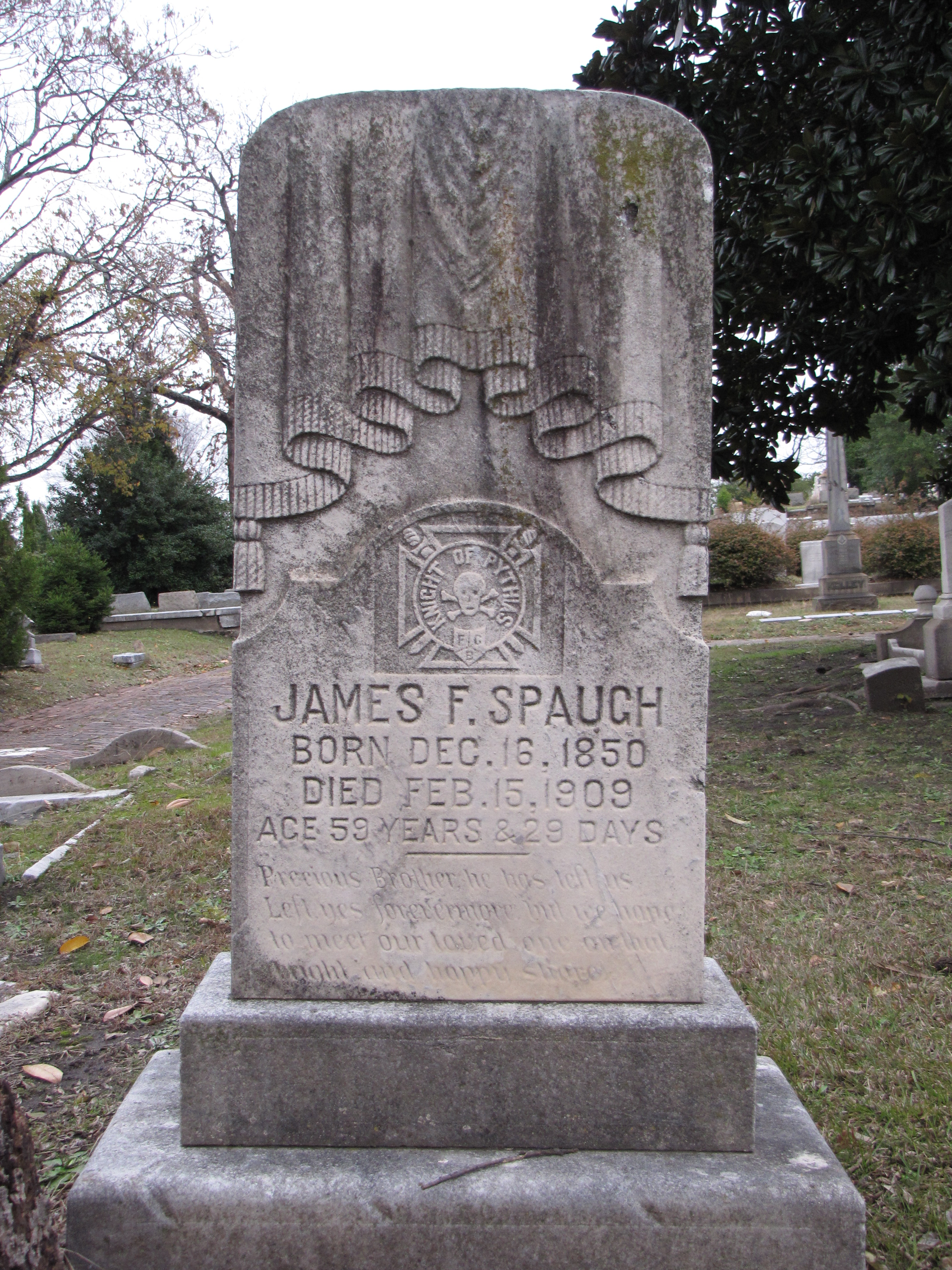
JAMES F. SPAUGH
BORN DEC. 16, 1850
DIED FEB. 15, 1909
AGE 59 YEARS & 29 DAYS
Precious Brother he has left us
Left yes forevermore but we hope
to meet our loved one on that
bright and happy shore.
…O paint the gloomy horrors of the tomb;
Th’ appointed place of rendezvous, where all
These travellers meet.–Thy succours I implore,
Eternal King! whose potent arm sustains
The keys of Hell and Death.–The Grave, dread thing!
—By Robert Blair, “The Grave”
In Douglas Keister’s book, Forever Dixie: A Field Guide to Southern Cemeteries & Their Residents, he writes about six kinds of cemeteries: Graveyards and City Cemeteries; Churchyards; Garden and Rural Cemeteries; Lawn-Park Cemeteries; Memorial Parks, and Specialty Cemeteries. I would add one more—Military Cemeteries. Each one of the types of cemeteries have distinct characteristics:
Graveyards and City Cemeteries

Granary Burying Ground, Boston, Massachusetts
Early American graveyards were often in the middle of town. These burial grounds were unorganized and neglected places, with weeds and overgrowth, stones willy nilly, where the dead were buried, sometimes with markers, sometimes not. Often cattle grazed among the gravestones. In William Cullen Bryant’s poem “The Burial Place” he accurately describes the city graveyard:
…Naked rows of graves
And melancholy ranks of monuments
Are seen instead, where the coarse grass, between
Shoots up its dull spikes, and in the wind
hisses, and the neglected bramble nigh…
Churchyards

Old Brick Reformed Church Graveyard, Holmdel, New Jersey
This type of cemetery is the easiest to describe. The name churchyard, in fact, tells the story. The burials took place in the yard around the church and was reserved for members of the congregation. These dot the countryside and can be found in nearly every community. For the most part, churchyards lack to the large monuments and mausoleums that can be found in garden and rural cemeteries and the gravestones tend be more simple forms—tablets, columns, and block markers.
Garden and Rural Cemeteries

Spring Grove Cemetery, Cincinnati, Ohio
In 1831, Mt. Auburn Cemetery opened in Cambridge, Massachusetts. It was the first garden cemetery to open in the country and represented a new attitude about burying the dead. These cemeteries were designed spaces, with pathways and avenues, and were landscaped to have the look and feel of a public park. In Victorian Cemetery Art, written by Edmund V. Gillon Jr., he writes “The large amounts of space in the Victorian cemetery were to revolutionize cemetery art, and permit the use of sculpture in a way that crowded churchyard had never allowed. Sepulchral sculpture, with it prone effigies and kneeling weepers, had flowered in the past, but only for the rich and powerful.” The opening of Mt. Auburn was the dawning of the rural cemetery movement–the concept of the cemetery as a landscaped space. Cities across America began to open garden cemeteries in their communities—Cave Hill Cemetery in Louisville, Laurel Hill Cemetery in Philadelphia, Spring Grove Cemetery in Cincinnati, Greenwood Cemetery in Brooklyn—to name just a few.
Lawn-Park Cemeteries

Laurel Hill Cemetery, Erie, Pennsylvania
This type of cemetery is really a combination of two types—the garden cemetery and the memorial park. This cemetery has areas for large monuments and mausoleums, as well as, large sections reserved for grass markers. These cemeteries are designed with large avenues and pathways for visitors.
Memorial Parks
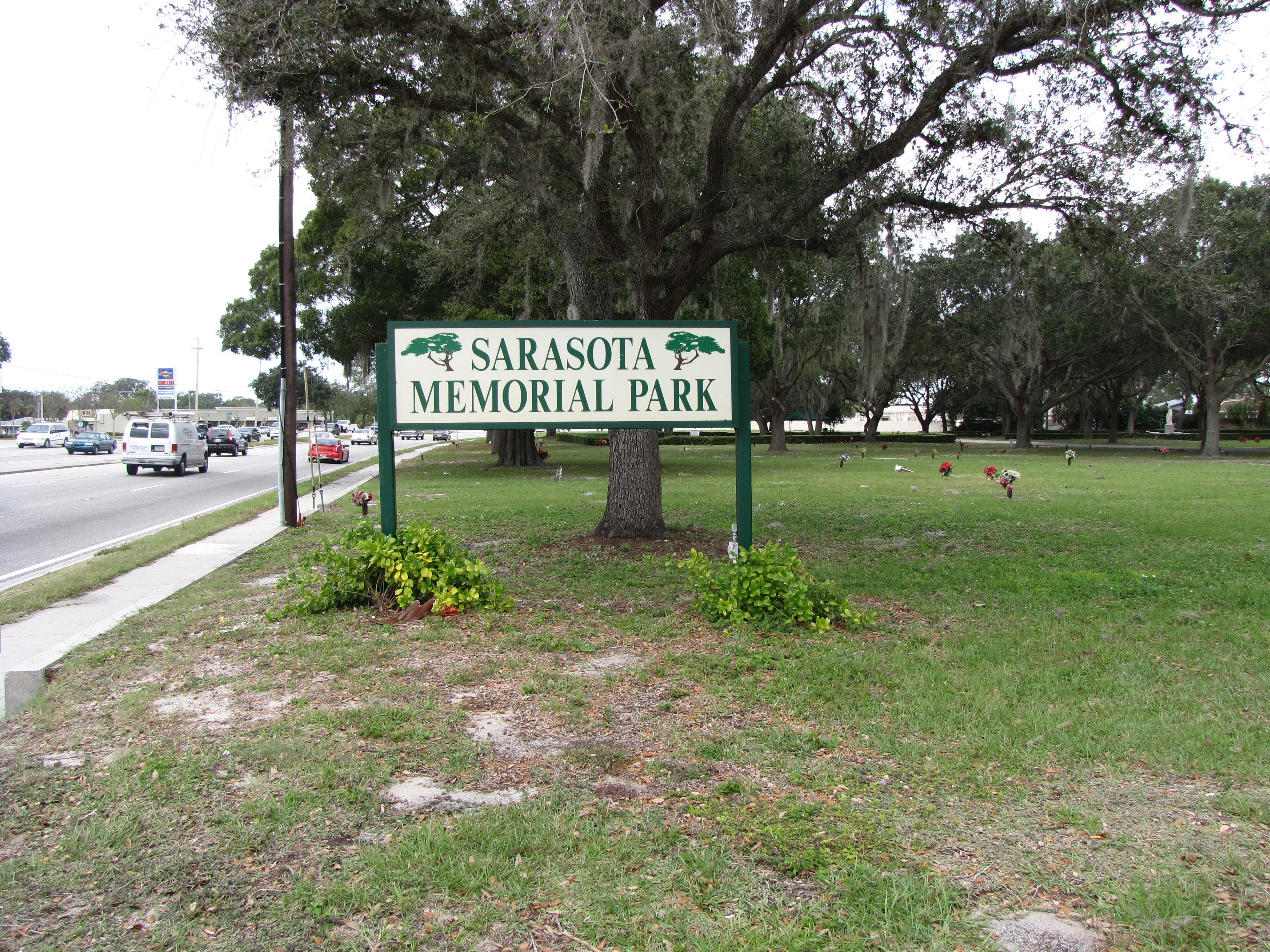
Sarasota Memorial Park, Sarasota, Florida
Two of the greatest influences on the design and look of the cemetery in the 20th Century were the cost of labor and the invention of the motorized lawn mower. By designing cemeteries with only grass markers—gravestones that lay flat and level to the ground—groundskeepers could mow large swaths of the cemetery in much less time than it took to push a mower around tombstones and trim the grass growing next to monuments. The improvement in the efficiency of maintaining the cemetery gives way to artistic and expressive aspect of tombstones used to mark the graves of the deceased.
Specialty Cemeteries
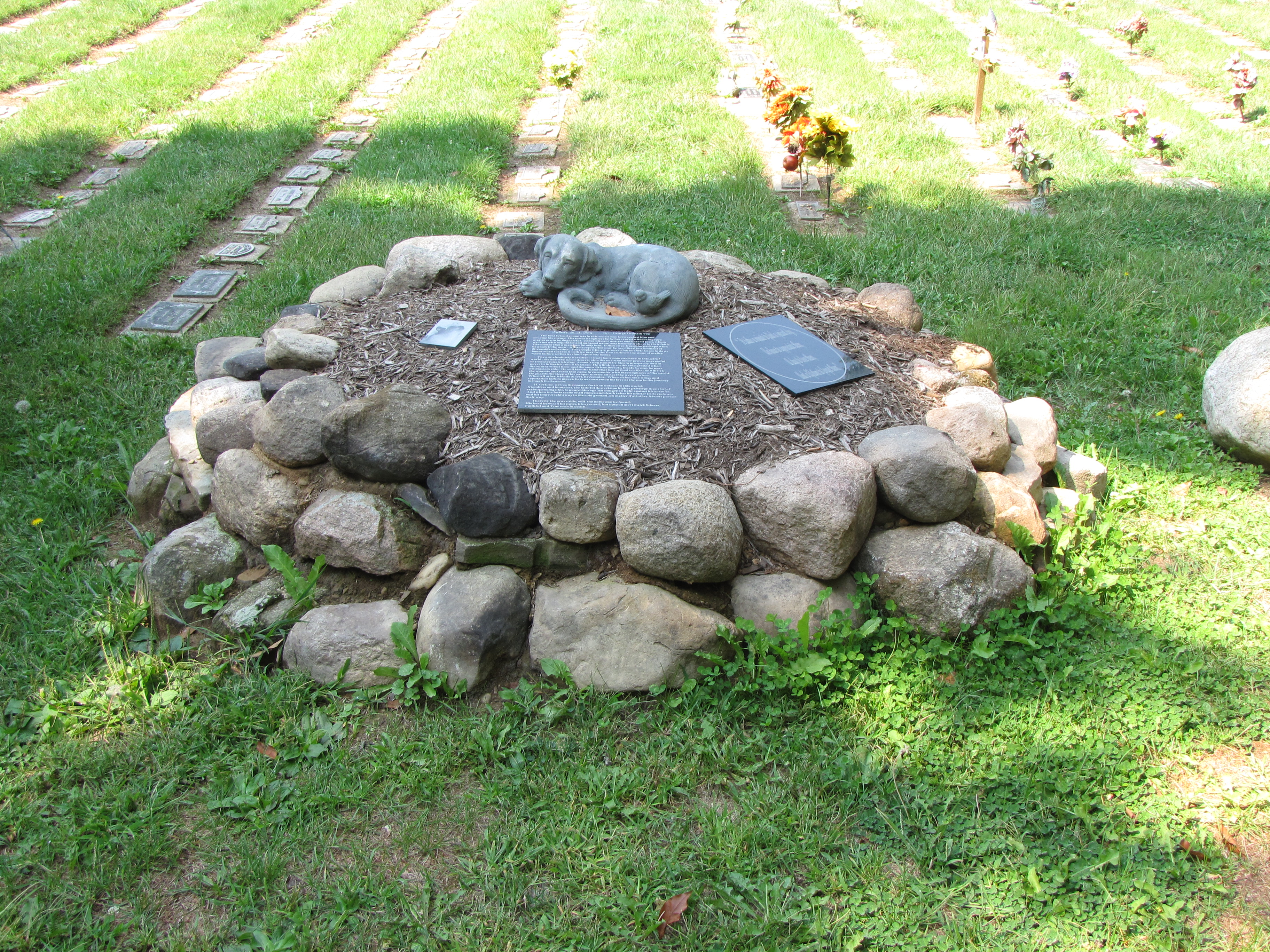
Hearthside Rest Pet Cemetery, Erie, Pennsylvania
According to Keister, this category of cemeteries includes family cemeteries, as well as, cemeteries that are dedicated to members of secret societies. Some of these would include Masonic, Odd Fellow, and Knights of Pythias cemeteries. This also includes pet cemeteries, which were established in the United States in the late 19th Century. In 1896, Veterinarian Dr. Samuel Johnson offered to let his friend bury his beloved dog in his apple orchard. Today more than 70,000 pets are buried in what is now the Hartsdale Canine Cemetery, Hartsdale, New York, which became the first and oldest pet cemetery. Since that cemetery was founded others have dotted the countryside.
Military Cemeteries
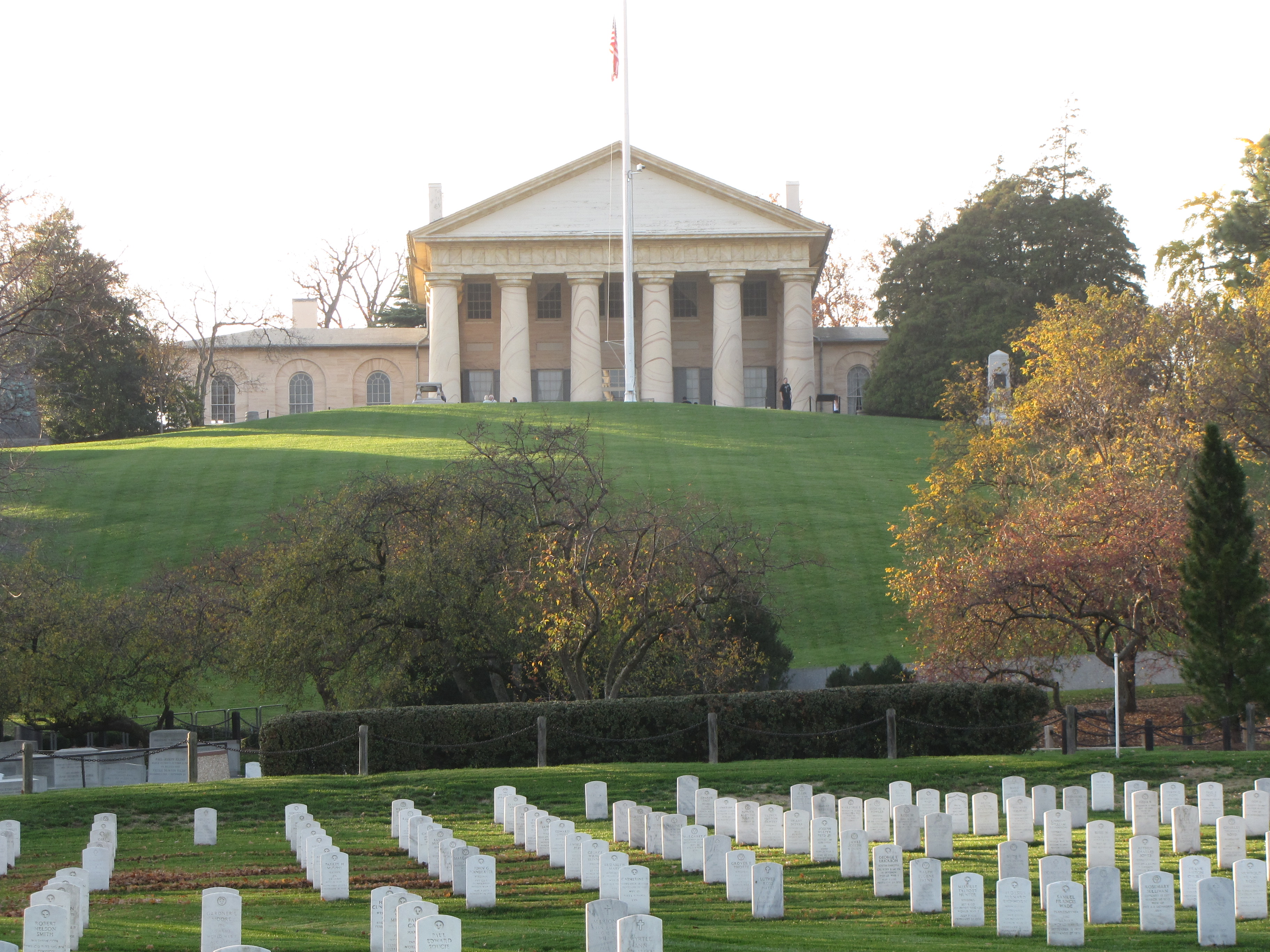
Arlington National Cemetery, Arlington, Virginia
On July 17, 1862, during the Civil War, Congress passed an act that gave the president the power “to purchase cemetery grounds and cause them to be securely enclosed, to be used as a national cemetery for the soldiers who shall die in the service of the country.” That year 14 cemeteries were established:
There are now 146 National Cemeteries in the United States, the most famous being Arlington National Cemetery in Arlington, Virginia, which was created on the grounds of General Robert E. Lee’s ancestral home.
The gravestones found in National Cemeteries are overwhelmingly the segmented-top white marble tablet. These gravestones are 42 inches tall, 4 inches thick, and 13 inches wide. In an article written by Edwin Dethlefsen and Kenneth Jensen, “Social Commentary from the Cemetery”, published in Natural History, June/July 1977, Volume 86, they write, “Another type of gravestone is that provided for veterans by the United States government. This takes the form of a simple granite, marble or bronze tablet and is a specific indicator of what we know to be an important aspect of culture in America—the increasing paternalism of government”.
Fairmont Cemetery, Denver, Colorado
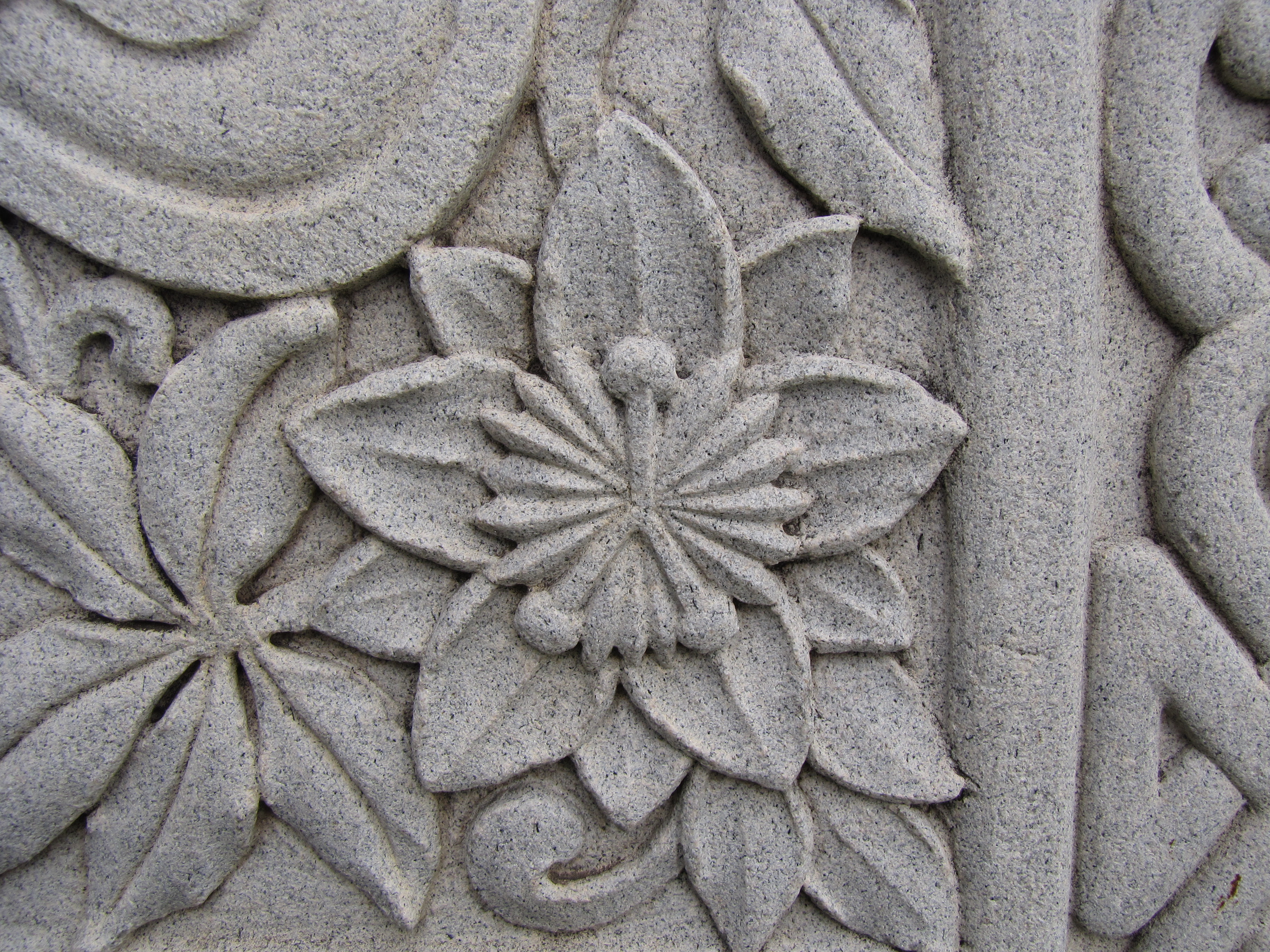
The passionflower was so named by Spanish Christian missionaries because they identified parts of the flower with the passion of Jesus Christ.

Crown Hill Cemetery, Indianapolis, Indiana
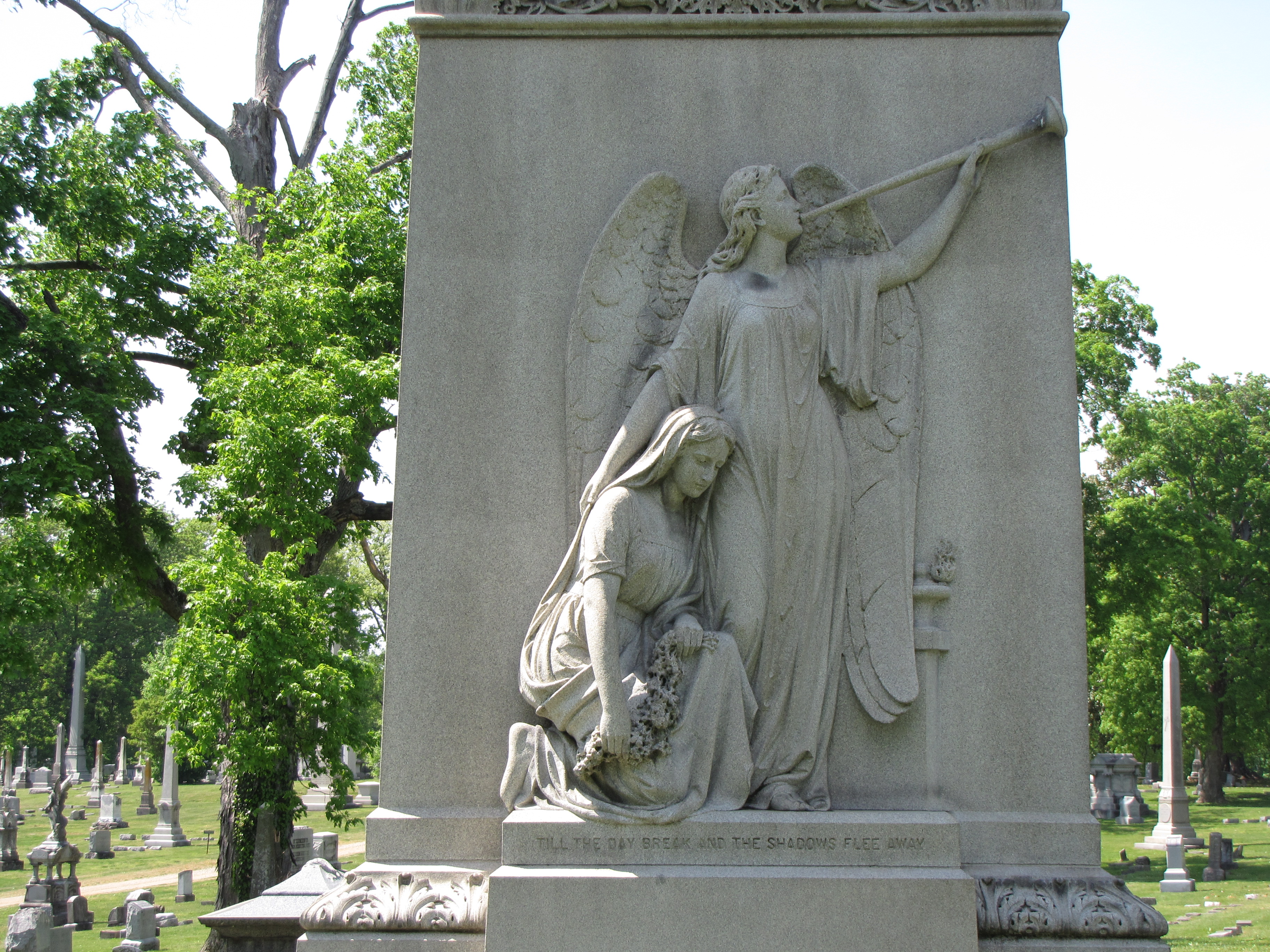
This beautiful gray granite monument in the Crown Hill Cemetery displays two symbols–the angel holding a trumpet standing in front of open gates. The angel is a messenger for God. In this example, the angel is holding the trumpet, the message being delivered is the call for Judgment Day and the announcement of the Resurrection. The open gates are central to the Last Judgment. The gates are the portal for saved souls to make their passage from the Earthly realm to Heaven upon Christ’s return.
Mt. Auburn Cemetery, Cambridge, Massachusetts
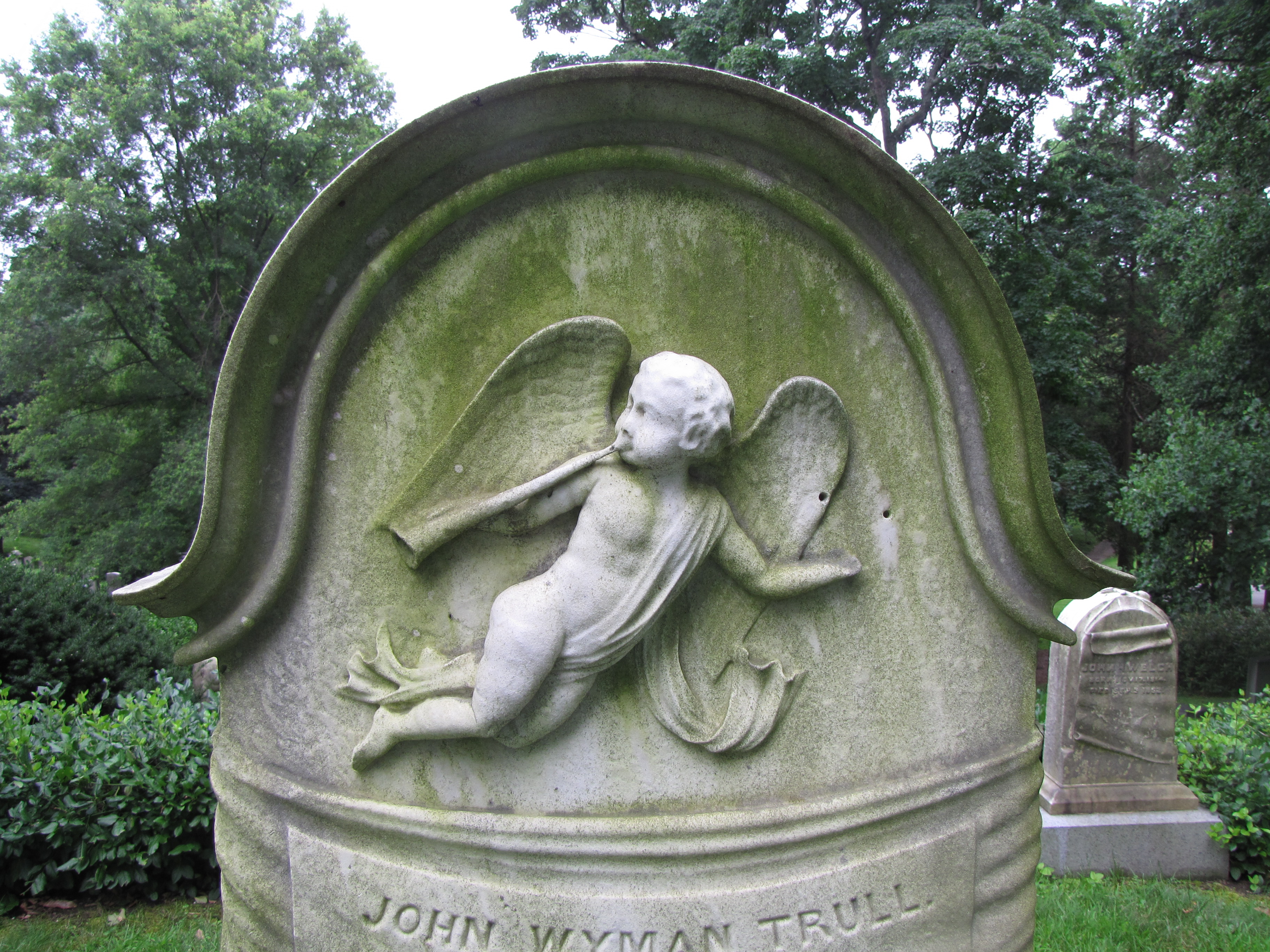
Above a cherub blows the trumpet as he looks back as if he is beckoning others to follow him.
On the monument below, the angels is blowing the trumpet, announcing the Day of Judgment and the Call to Resurrection.
Mt. Olivet Cemetery, Nashville, Tennessee

Frankfort Cemetery, Frankfort, Kentucky
Carved into this bas relief, is the image of an angel holding a baby in her arms. While angels are God’s messengers, in this case, the angel is carrying the soul of the child to Heaven.
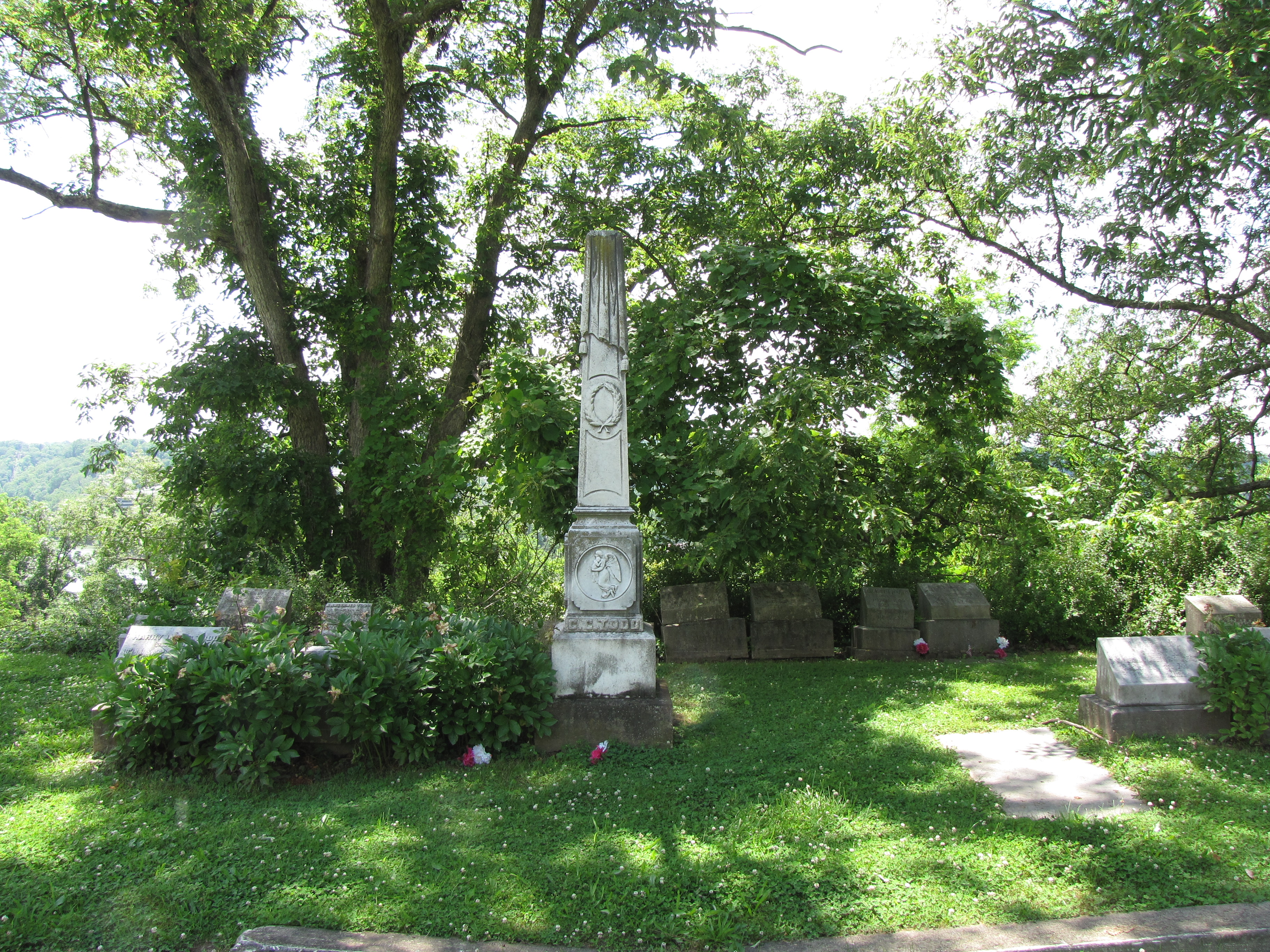
Frankfort Cemetery, Frankfort, Kentucky
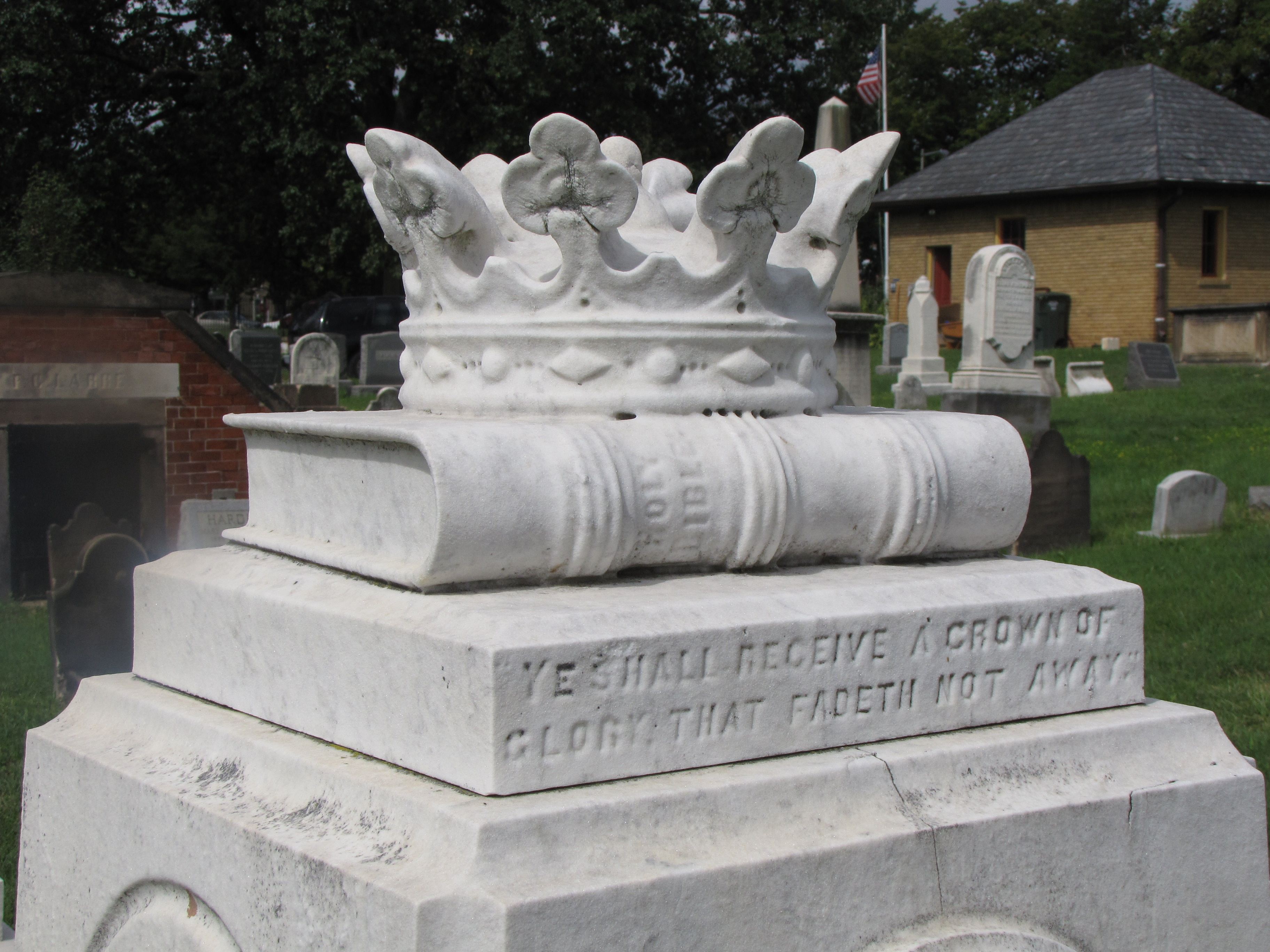
Congressional Cemetery, Washington, D.C.
In keeping with the book theme of the past couple of days on the blog, carved on the top of this gravestone is an elaborately carved crown resting on a closed book with the following epitaph:
“YE SHALL RECEIVE A CROWN OF GLORY, THAT FADETH NOT AWAY.”
In some cases, a closed book, can represent the end of the story, or as in this case, the closed book symbolizes the Bible. The clencher clue here are the two words, Holy Bible, carved into the spine.
The crown represents the reward of Heaven. I often heard my Mom or Dad say, “There’s going to be an extra jewel in their crown when they get to Heaven” when they were talking about someone who had done something extra generous for someone else; something that really put the person out or took extra effort.
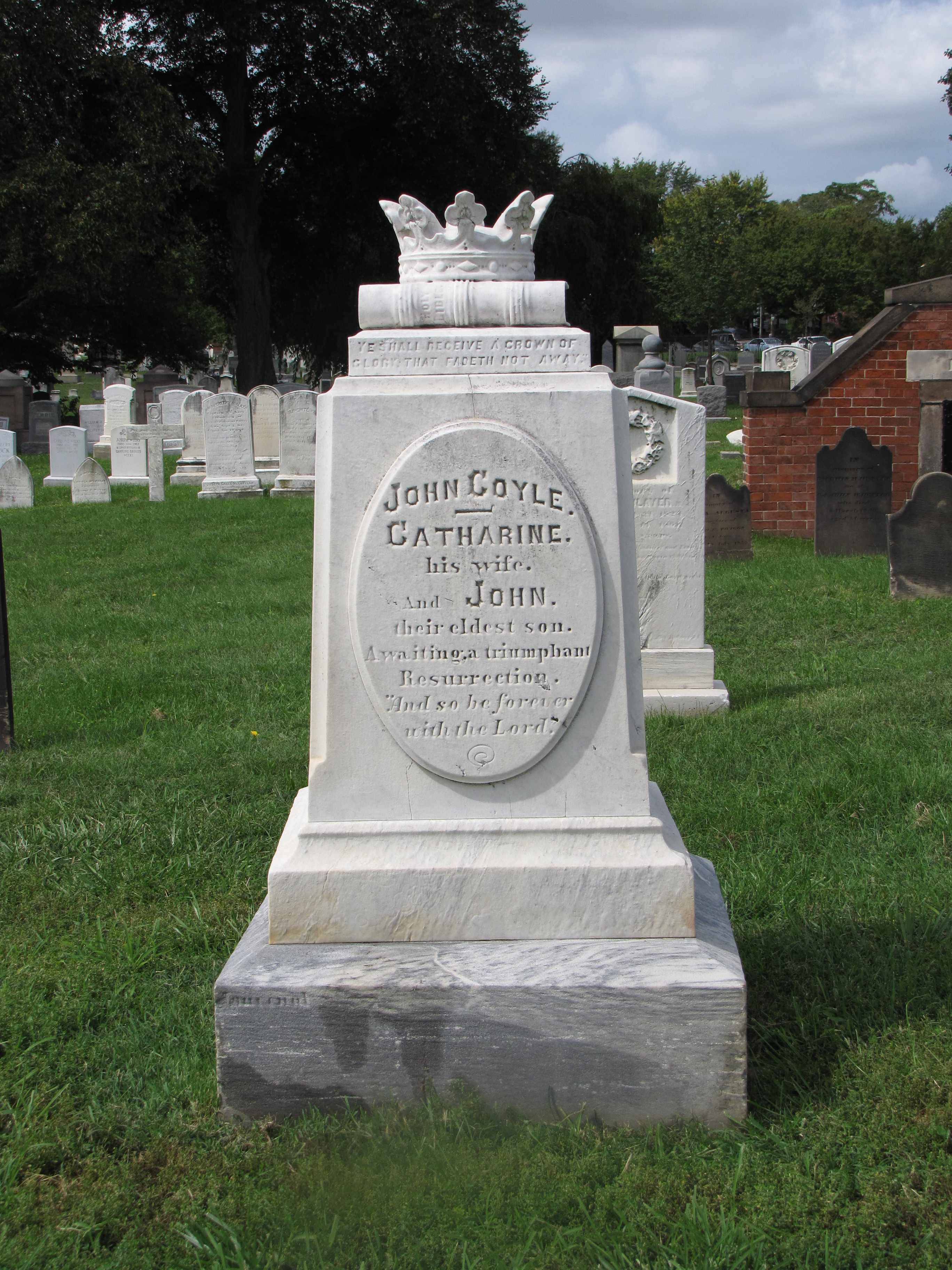
Congressional Cemetery, Washington, D.C.
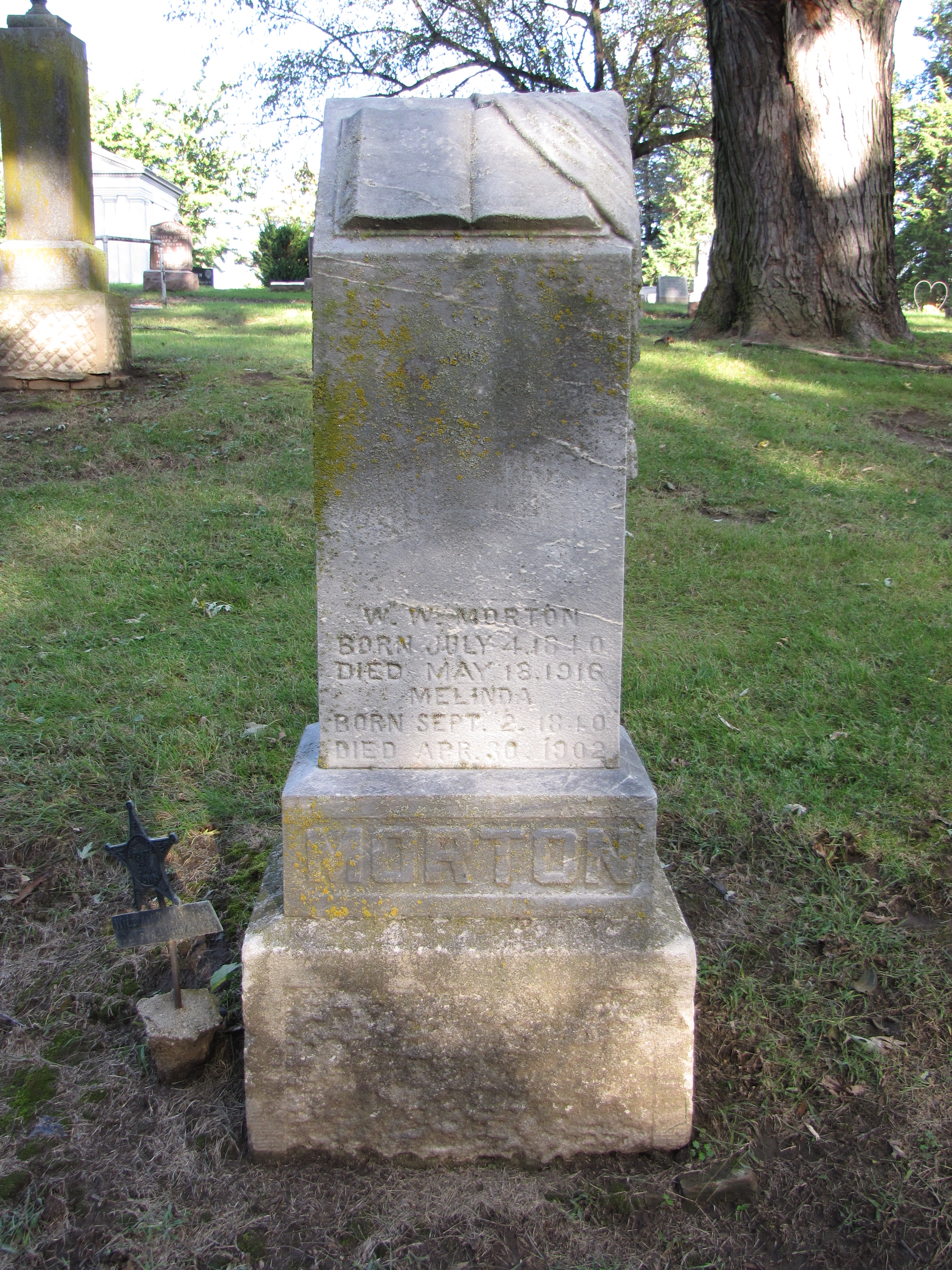
Rose Hill Cemetery, Missouri Valley, Iowa
The tombstone above is topped with an open book that has a mourning drape over the right corner of the column. The open book is a fairly common symbol found on gravestones. The motif can represent the Book of Life with the names of the just registered on its pages. This book, like any book in a cemetery, can also symbolize the Word of God in the form of the Bible.

Greenwood Memory Lawn Cemetery, Phoenix, Arizona
The open book is often used to display the names of the deceased on the pages of the open book as in the examples above and below.

Erie Cemetery, Erie, Pennsylvania
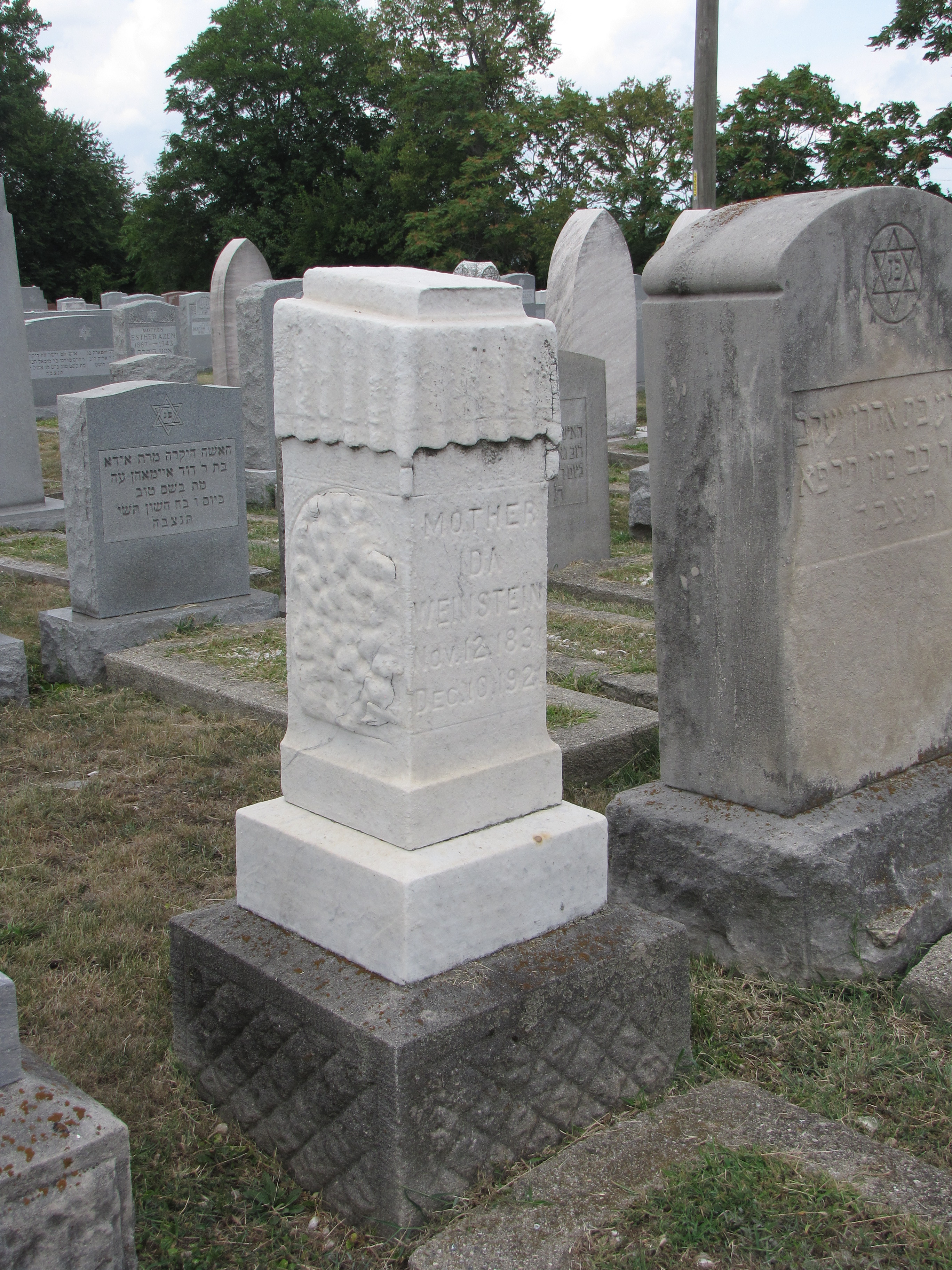
Congregation Knesses Israel Cemetery, Indianapolis, Indiana
The white marble tombstone above has a closed book carved on it resting on top of a draped square column. In Victorian times, heavy black drapery was used during funerals. The use of it here represents mourning.
The closed book is often a metaphor for the end of life, the story has been told and the end of the story has come. After the book is complete, and the book is closed, the author lay in the grave. One of the best written examples of this was written by Benjamin Franklin when he wrote his mock epitaph:
The body of
B. Franklin, Printer
(Like the Cover of an Old Book
Its Contents torn out
And Stript of its Lettering and Gilding)
Lies Here, Food for Worms.
But the Work shall not be Lost:
For it will (as he Believ’d) Appear once more
In a New and More Elegant Edition
Revised and Corrected
By the Author.
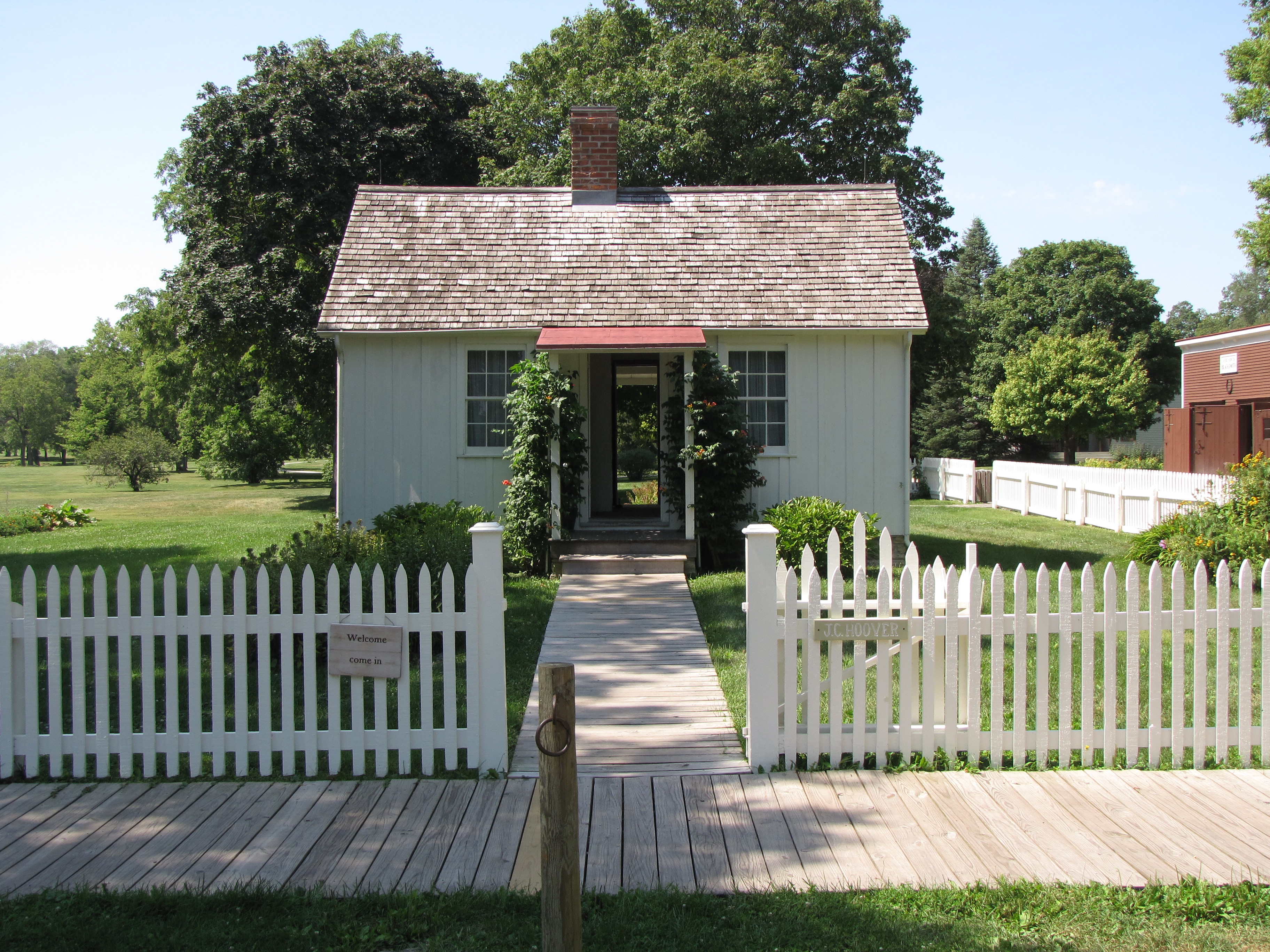
The Herbert Hoover Birthplace, West Branch, Iowa
Herbert Clark Hoover, was the first president born west of the Mississippi and the first and only president born in Iowa. Hoover was born August 10, 1874, to Quaker parents, Jessie and Hulda Minthorn Hoover, into a very modest two-room white clapboard home. He was the son of a blacksmith and orphaned after both of his parents died, his father when he was six, his mother when he was nine. Eventually he was sent to live with his mother’s brother, John Minthorn, in Newberg, Oregon.
Hoover attended the first class at Stanford to study engineering. He graduated and went into mining, where he made a fortune in Australia and China. He married his college sweetheart, Lou Henry. While in China, Herbert and Lou taught themselves Mandarin, which they often spoke to each other when they didn’t want others to eavesdrop.
Hoover made his way into politics first as Secretary of Commerce under president Harding and then President Coolidge. After Coolidge’s term, Hoover ran for the presidency and beat Democrat Al Smith. Only nine months after he took office the stock market crashed and with it went his presidency. His belief in rugged individualism made him ill-equipped to deal with the economic catastrophe. Hoover is to the presidency as Edsel is to the car–considered a lemon–because of his inability to deal with the disaster of the Great Depression.
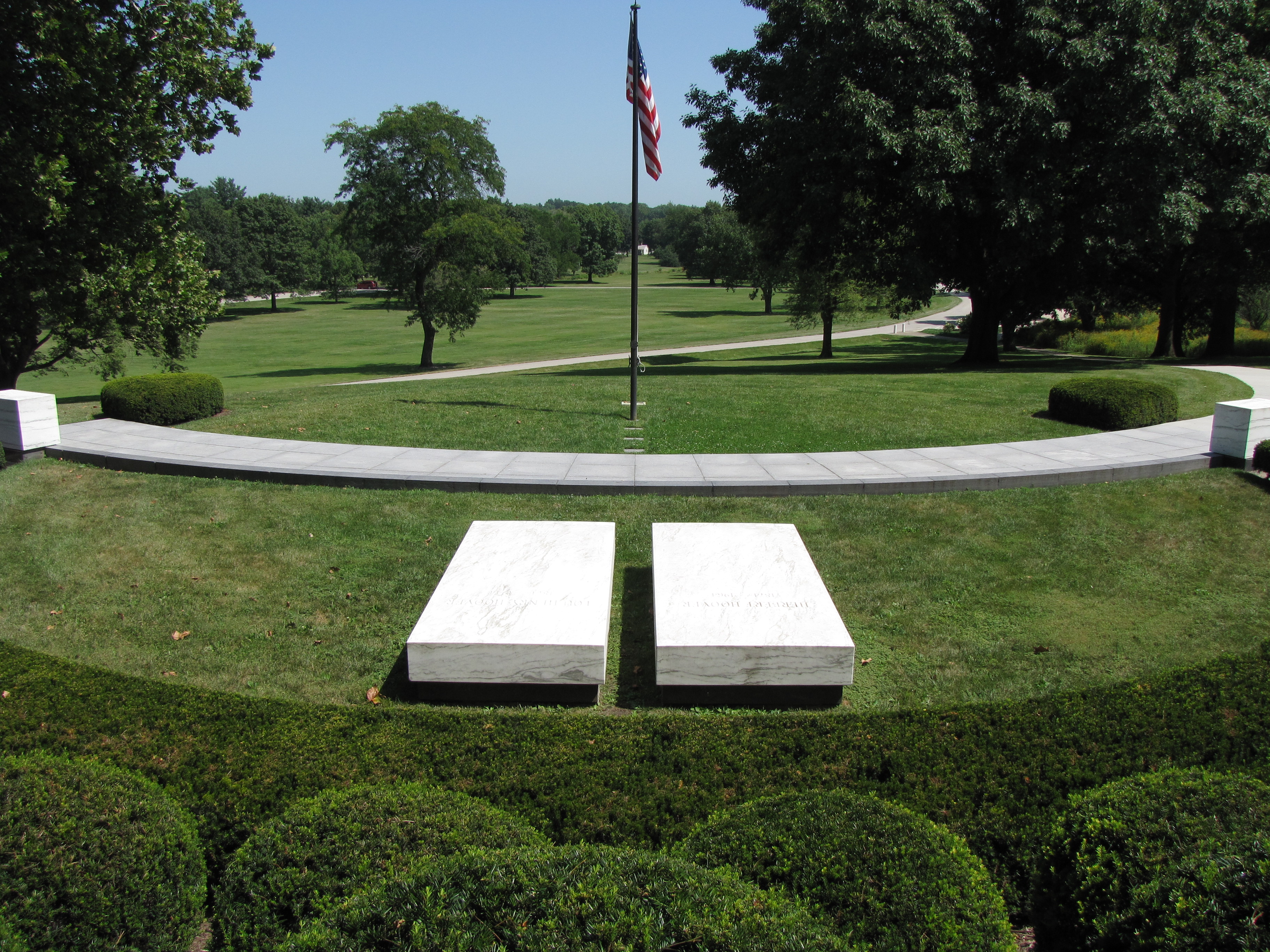
The Herbert and Lou Hoover burial site, West Branch, Iowa
The Hoover burial site is in West Branch, Iowa. The two graves, marked with white marble grave ledgers, sit up on a slope that overlooks Hoover’s birthplace. If you look directly past the flagpole, you can see the back of a small home, the two-room home in which Hoover was born.
This is also the site of the Hoover Presidential Library.
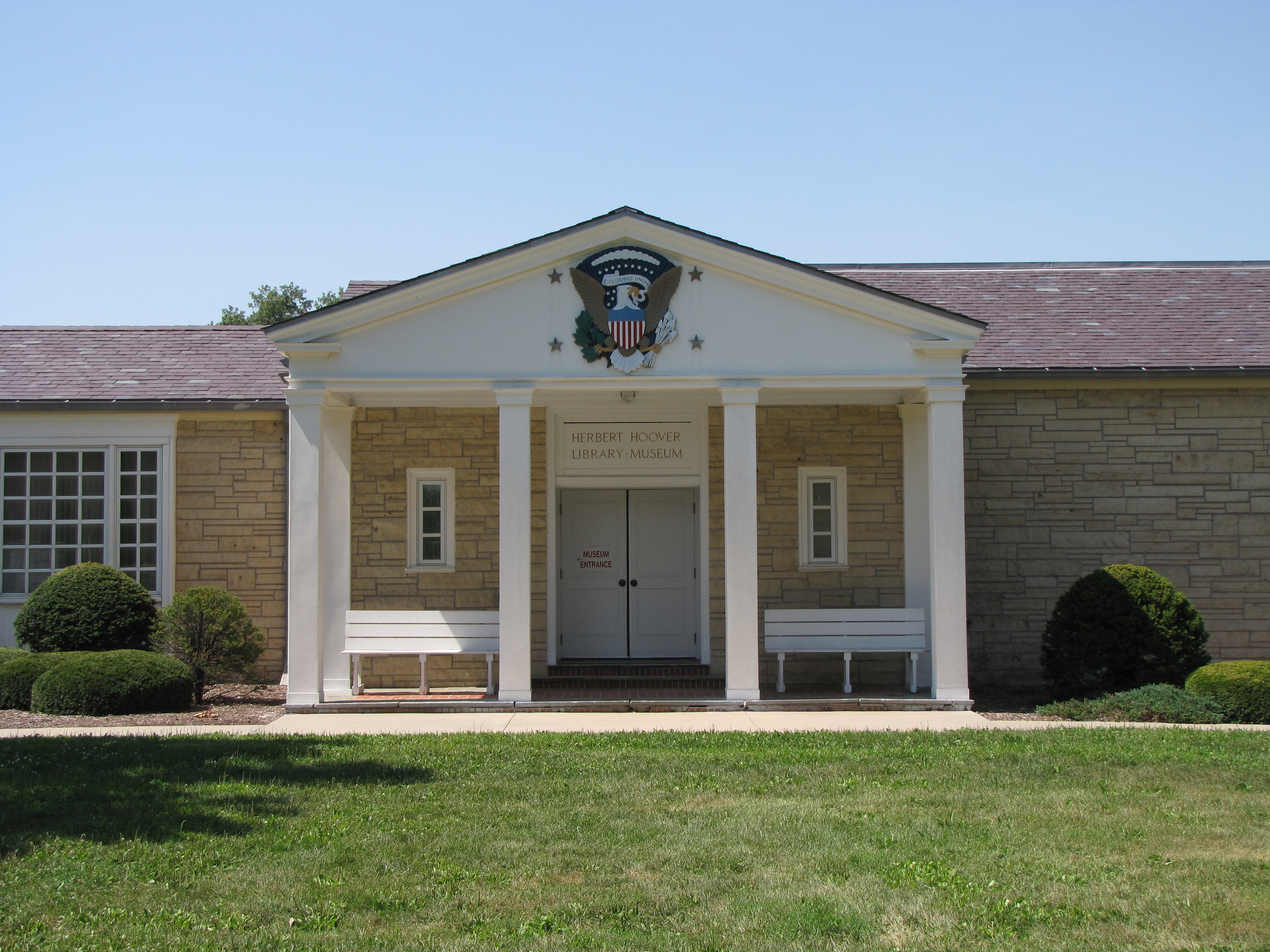
The Herbert Hoover Presiential Library, West Branch, Iowa
 | gravelyspeaking on A Correction in Stone |
 | Ron Romano on A Correction in Stone |
 | Jennifer on Daughters of America |
| gravelyspeaking on Packed with Meaning |
| Ron Romano on Packed with Meaning |

