Morning Glories

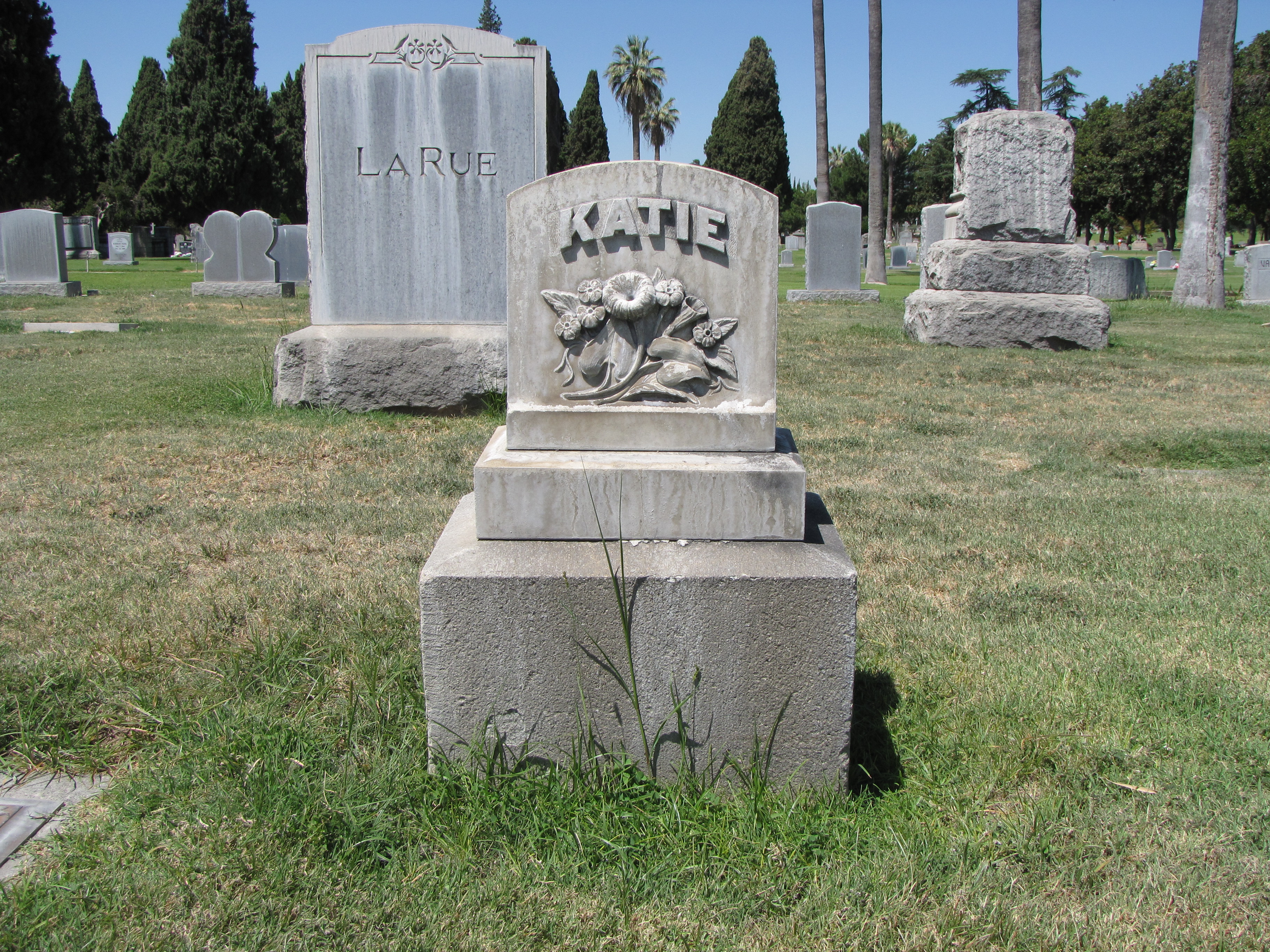
Fresno, California

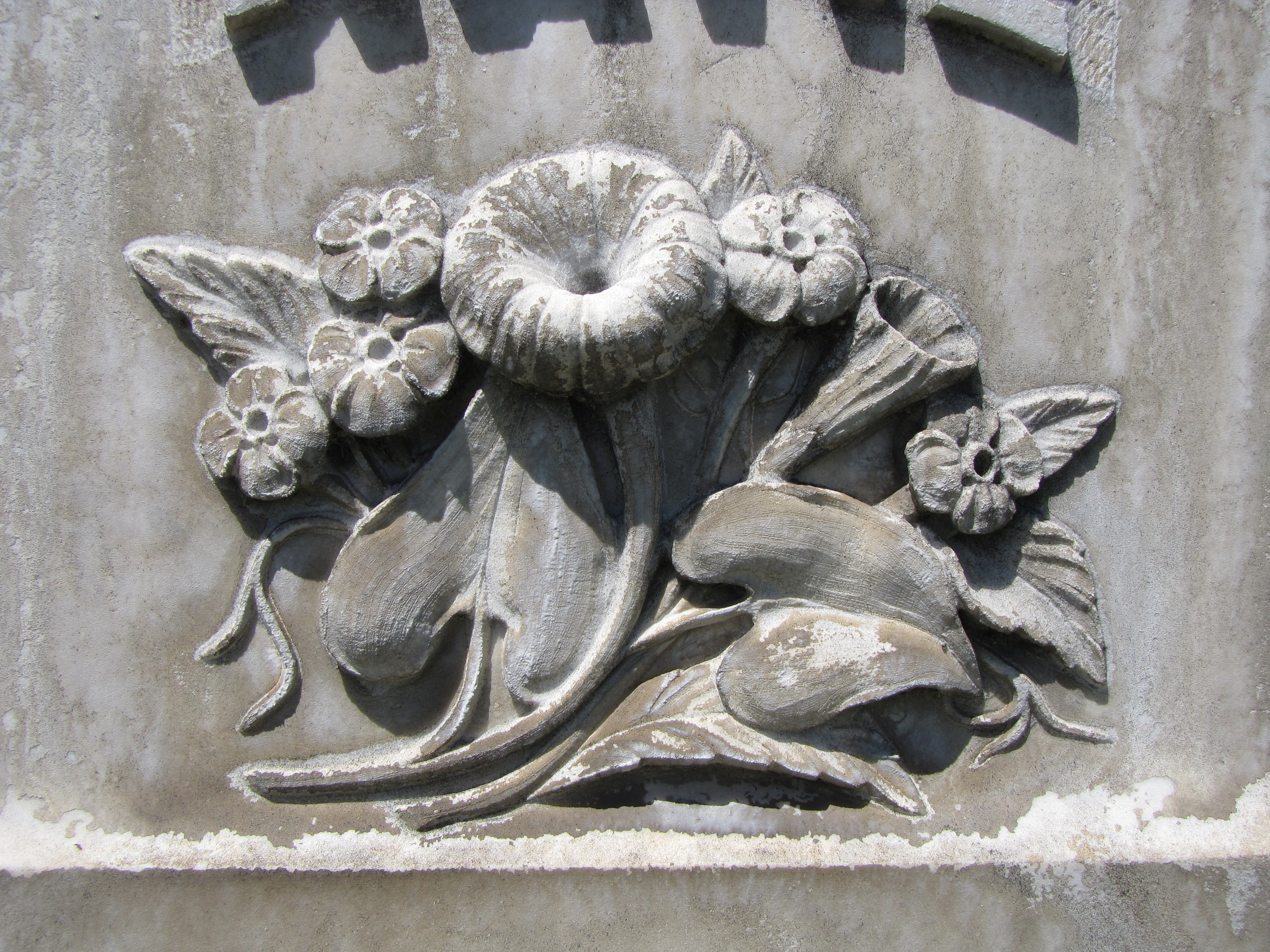
Twining around mailboxes and fence rows, morning glories’ delicate tendrils gently cling, holding up their fragile flowers to open up to the summer sun.  Later at dusk their colorful flowers wither shut, a poet’s metaphor for life and death. 

Because of it’s attention to the sun, the morning glory represents the Resurrection.

Posted in Symbolism | Leave a comment

Ode to Golf

West Branch Cemetery, Stowe, Vermont

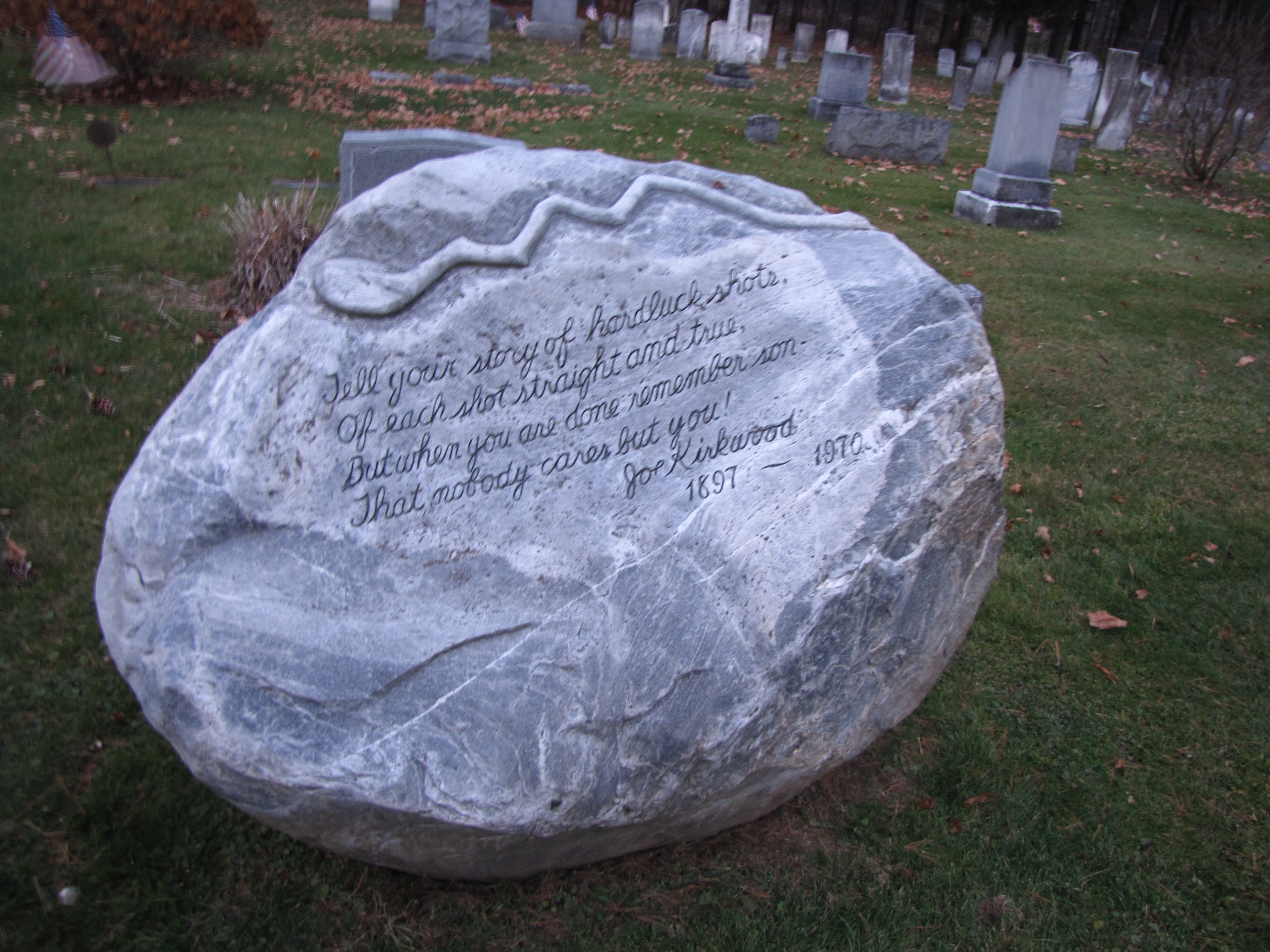
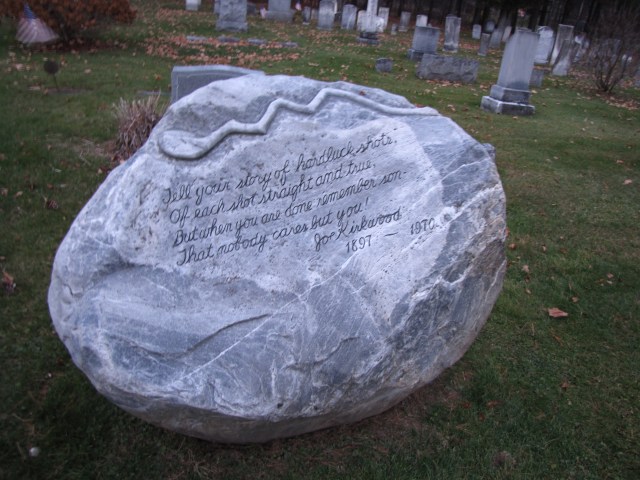
Since modern golf was invented in Scotland centuries ago, men have been passionate about the game.  The monument above carved for Joe Kirkwood (1897-1970), with a bent golf club, serves as an admonition not to think too much about the game or to tell others just how very good you are, the equivalent of the fisherman who tells about the fish that got away!

Tell your story of hardluck shots                                                                                                    Of each shot straight and true,                                                                                                   But when you are done, remember son-                                                                                     That nobody cares but you!

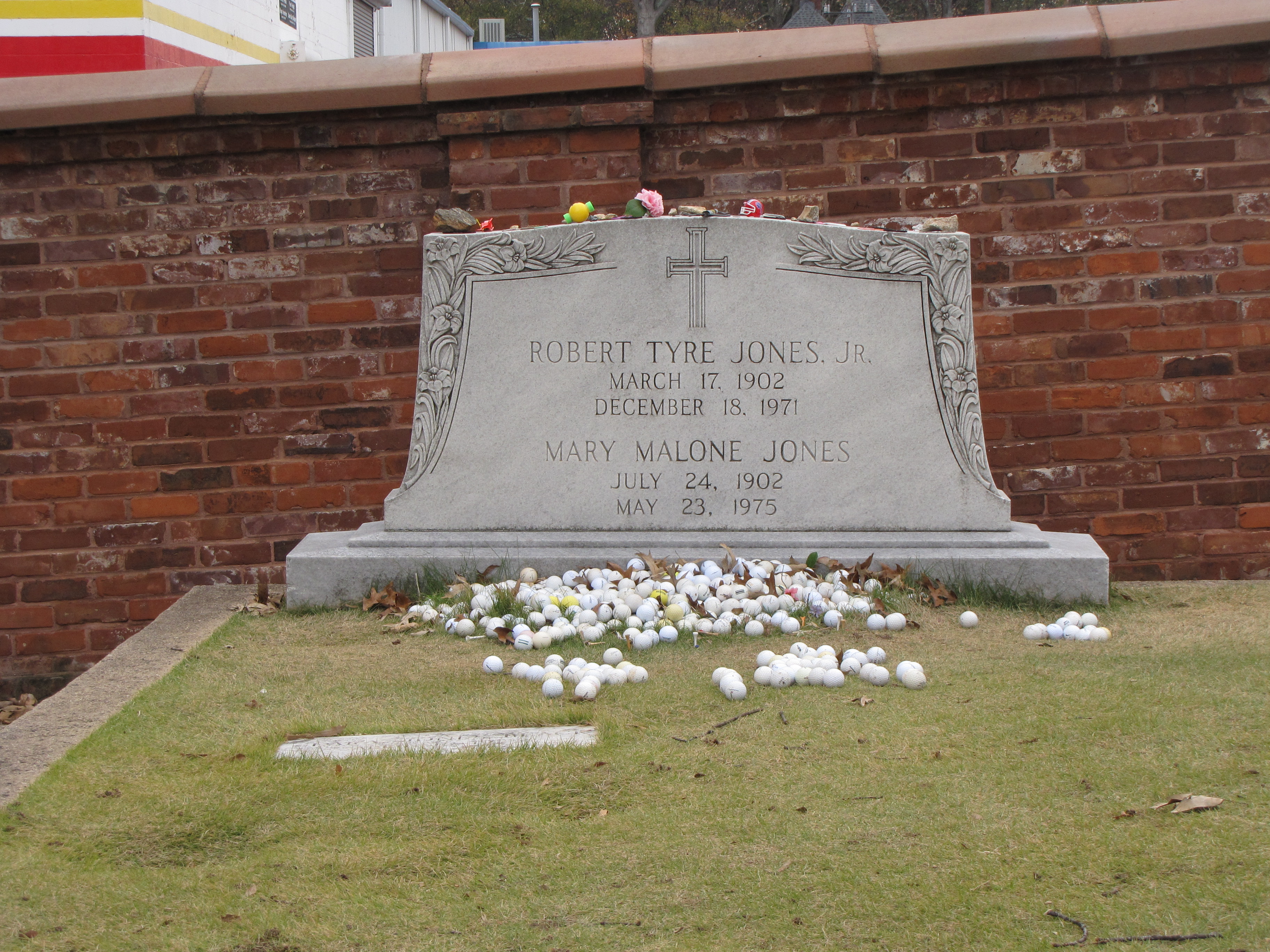
Some great golfers, though, are remembered for their game, not by themselves, but by their fans, like the legendary golfer, Bobby Jones, the founder of Augusta National Golf Club, co-founder of the Masters Tournament, and one of the finest amateurs who ever played the game:

Oakland Cemetery, Atlanta, Georgia

Others want to be remembered for their love of the game, such as Thomas Almon Barton (May 5, 1886–Oct. 2, 1937).  His remarkable granite monument in the Green Hill Cemetery, in Bedford, Indiana, is a full-sized statue in the round of Tom holding his straw hat in one hand and clutching his golf bag in the other.  He is also decked out in glasses and a bow tie, sleeves rolled up, as if he is ready to head out to the links!
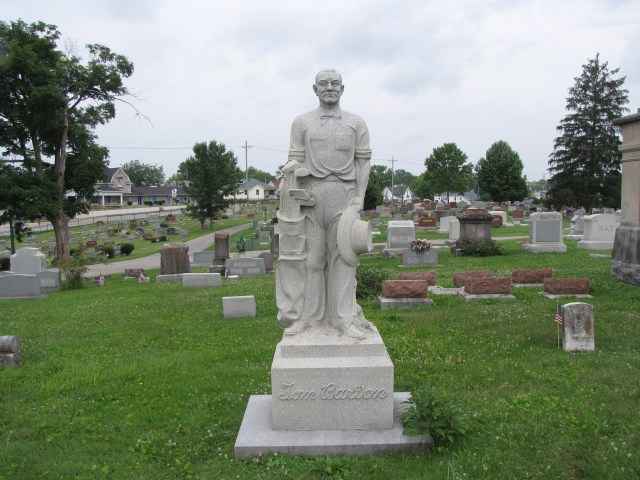
Green Hill Cemetery, Bedford, Indiana

Posted in Uncategorized | Leave a comment

Feathers

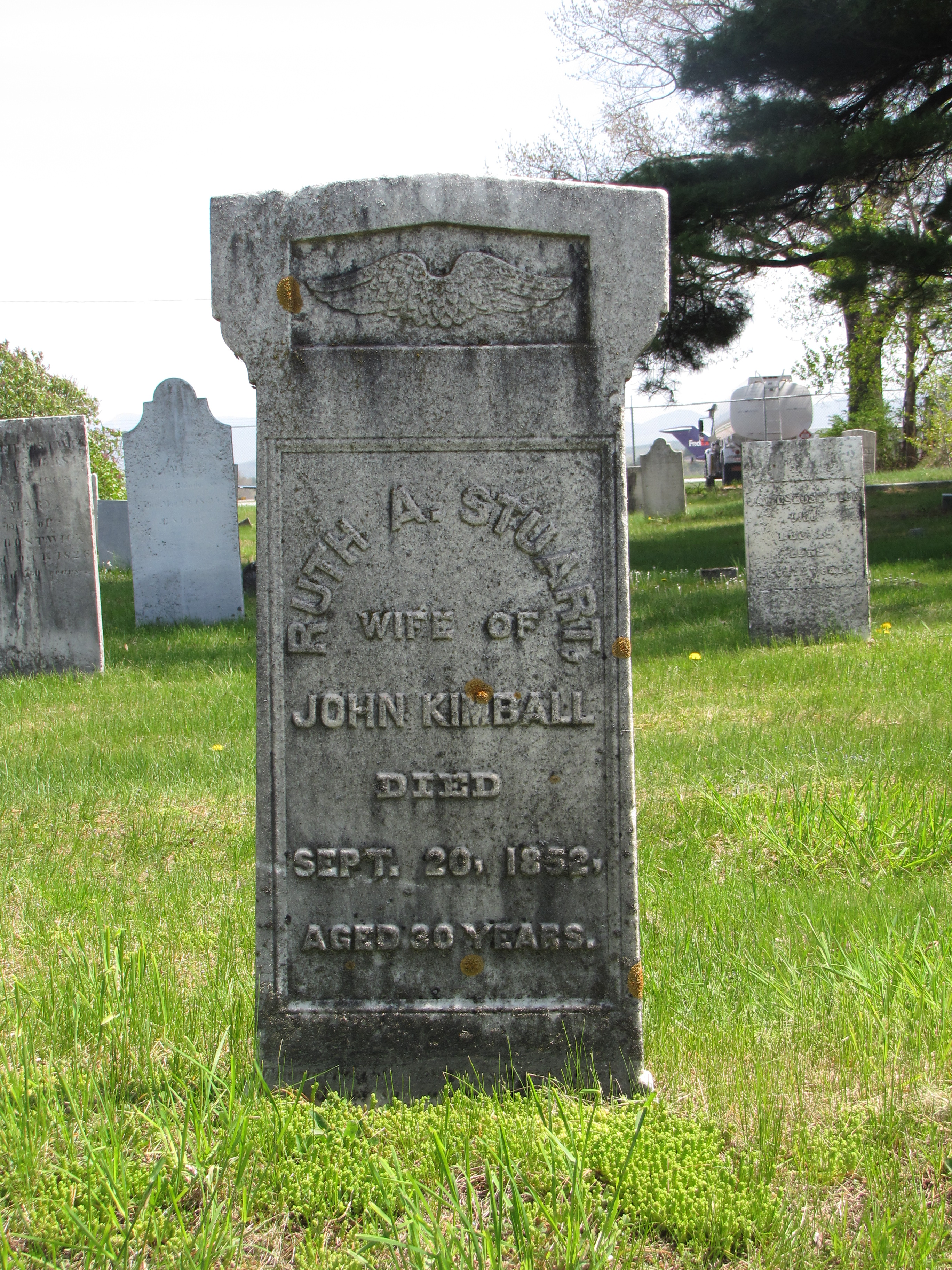
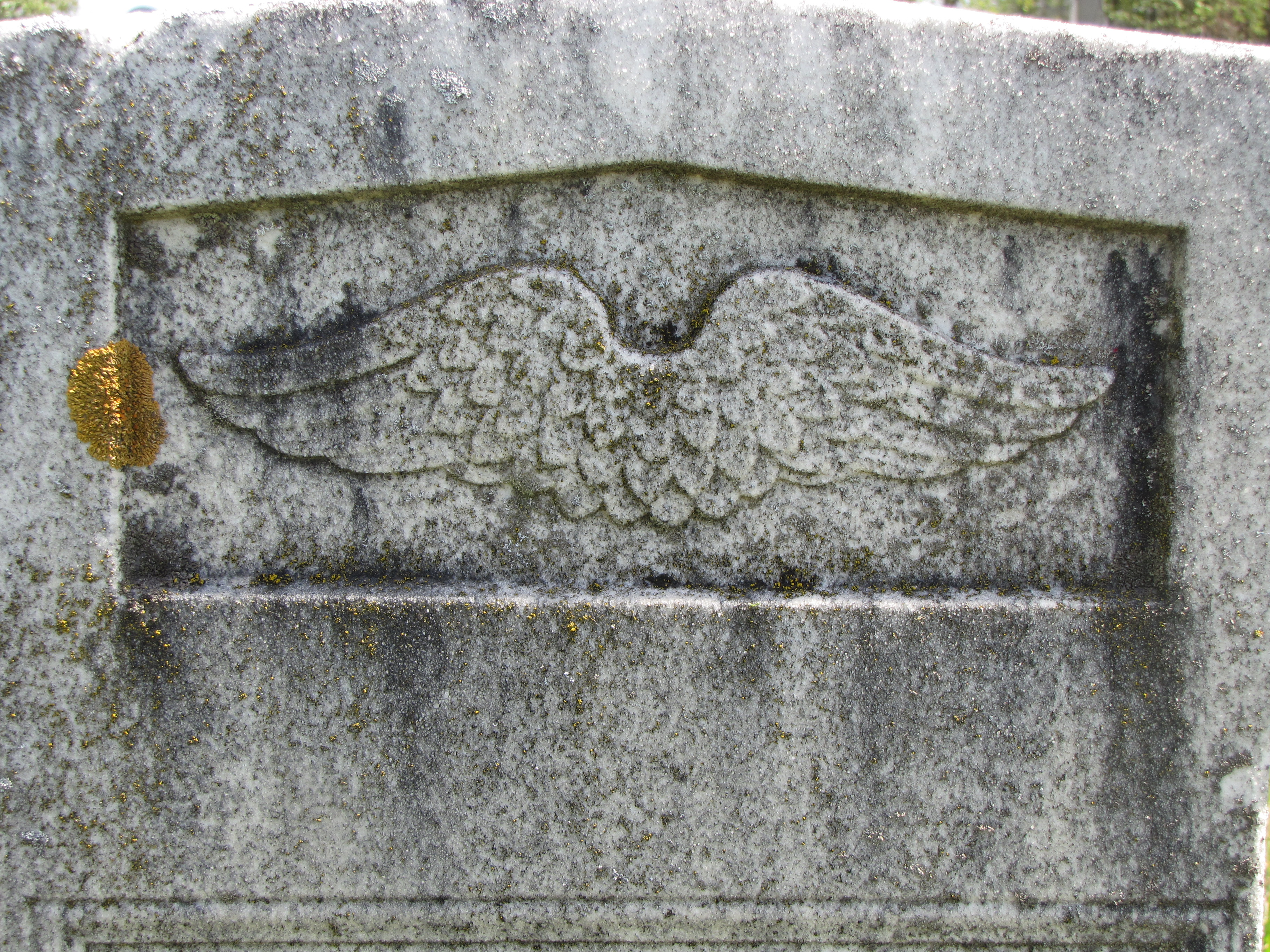
Eldridge Cemetery, Burlington, Vermont

Next to the Burlington International Airport lies the Eldridge Cemetery, a small graveyard tucked in between a busy street and the airport.  Halfway back and on the right-hand side of the cemetery is the grave of Ruth A. Stuart Kimball, the 30-year old wife of John Kimball, who died September 26, 1852.

In the top third of her gravestone is a simple pair of intricately carved wings.  Given the proximity to the airport, you might think it has something to do with flight, such as the wings that a pilot or a flight attendant wears that signifies their occupations.  But, the invention of the airplane was decades away when Ruth Kimball died in 1852.  The feather in this motif, however, does represent flight of a different kind–the flight of the soul of man to Heaven.   

Posted in Symbolism | Leave a comment

Angel Moroni

The Sculpture on Top the Mormon Temple, Florence, Nebraska

The wingless Angel Moroni is depicted in the gilded sculpture on top of the Mormon Temple. The temple was built next to the Pioneer Cemetery at Florence, Nebraska, the site of the Mormon Winter Encampment in 1846-47, after their exodus from Navoo, Illinois. 

The Book of Mormon is a group of records compiled by prophet and historian Mormon and translated by Joseph Smith.  Today the church is known as the Church of Jesus Christ of the Latter-day Saints.

Posted in Angels | 1 Comment

Angels

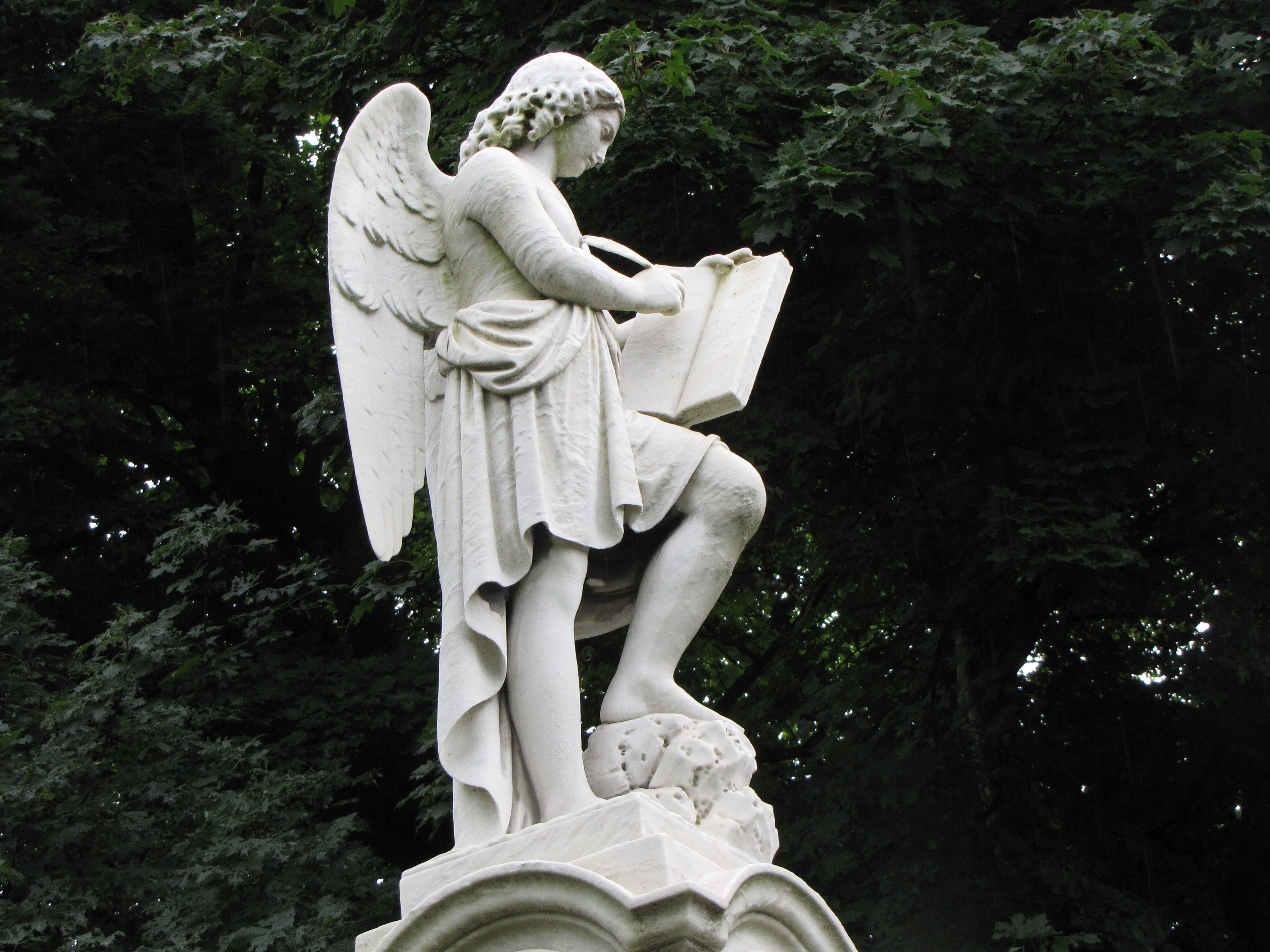
From the Frederick and Adeline Nickerson Monument, Mt. Auburn Cemetery, Cambridge, Massachusetts

When we see a winged figure in a cemetery, we instantly recognize it as an angel–a messenger of God.  However, Christian art did not depict angels with wings until the fourth century.  Before then, angels were represented in several different forms–sometimes in human form, but also represented as a dove, or even just as a hand reaching down to Earth from the Heavens.  Beginning with the reign of Constantine, angels began being depicted with wings, as we portray them today.

This angel carved out of white marble, has an open book resting on his knee and a quill in his hand.  The angel is clearly poised to write in the book.  Here the angel is registering the name of the deceased into the Book of Life.  In Judaism and Christianity, the names of the righteous were recorded in the Book of Life; they were assured entry into Heaven. 

The Book is referenced many times in the Bible (King James Version), including Revelations, Chapter 20,

Verse 12: “And I saw the dead, small and great, stand before God: and the books were opened: and another book was opened, which is the book of life: and the dead were judged out of those things which were written in the books, according to their works.”

Verse 13: “And the sea gave up the dead which were in it; and death and hell delivered up the dead which were in them: and they were judged every man according to their works.” 

Verse 14: “And death and hell were cast into the lake of fire.  This is the second death.” 

Verse 15: “And whosoever was not found written in the book of life was cast into the lake of fire.”

Posted in Angels | Leave a comment

Wildlife

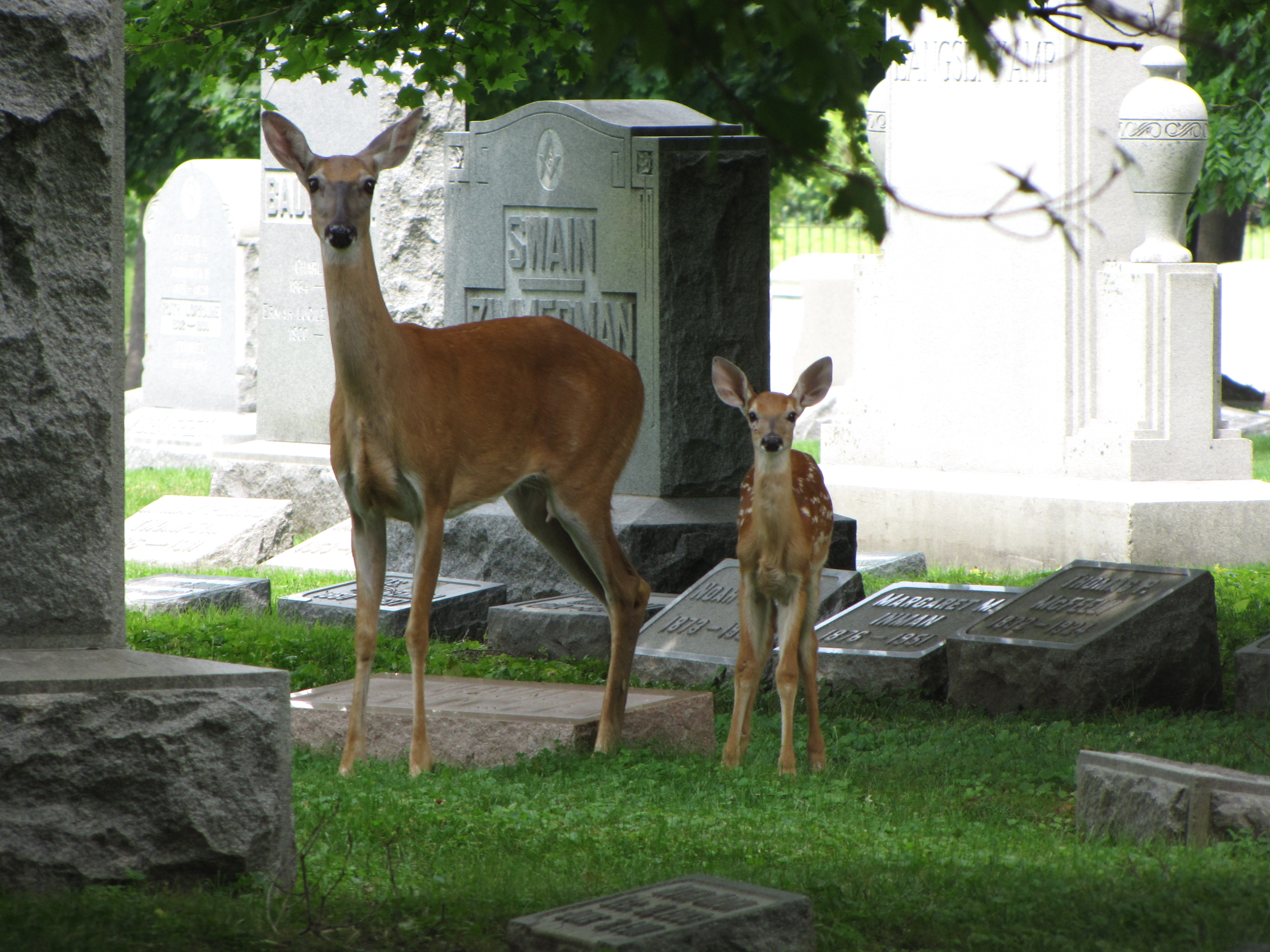
Crown Hill Cemetery, Indianapolis, Indiana

There are so many reasons that I love to wander around cemeteries–connection to history, architecture, beautiful sculptures, and so many stories.  And, occasionally I come around a corner and see a surprise like I did when I spotted this mother deer and fawn.  A second later they dashed away.

Posted in Uncategorized | 1 Comment

The Crusader

Victor Lawson Monument, Graceland Cemetery, Chicago, Illinois

Only a master carver could sculpt this magnificent statue from stone as hard as this granite.  In fact, the celebrated Lorado Taft, one of the finest sculptors of his day, created this monument in 1931, for Victor Lawson (1850-1925).  Lawson was a newspaper man.  He had inherited SKANDINAVEN, a Norwegian-language newspaper, but met Melville E. Stone, Chicago Daily News founder and purchased the Daily News in 1878.

Lawson grew the Chicago Daily News into a newspaper powerhouse, with one of the largest circulations in the United States.

The base of the monument has carved the words, “ABOVE ALL THINGS TRUTH BEARETH AWAY THE VICTORY.”  The phrase has its origins in the Apocrypha, The First Book of Esdras, Chapter 3, verse 12, “The third wrote, Women are strongest: but above all things Truth beareth away the victory.” 

The reference to women is dropped in the epitaph on the monument, to pay homage to what an old newspaperman sought during a long career, Truth.

Posted in Famous graves | Leave a comment

The Loyal Order of the Moose

Note the initials P.A.P. on the marker which stand for Purity, Aid, and Progress.

The Loyal Order of Moose was founded in a doctor’s living room in Louisville, Kentucky, in the spring of 1888.  Dr. John Henry Wilson organized the order as a place for men to get together to socialize.  By the early 1890s several lodges had been formed in cities close to Louisville, such as, Cincinnati, St. Louis, and small towns in Kentucky and Indiana. 

However, the order languished until a bright, energetic government employee, James J. Davis, from Elwood, Indiana, who believed that he could build the organization’s membership was given the challange and the title–Supreme Organizer.  Membership soared when the organization offered an insurance program with membership dues of $5 and $10 for men who if they became disabled or died would provide a “safety net” to their widows and children.

When James Davis joined in 1906, membership was a spartan 247 members.  With his membership drive, the organization had grown to nearly a half a million members in over a thousand lodges.

In 1913, The Women of the Moose organized and formed an auxillary group.

Note the initials H.F.C. on the marker which stand for Hope, Faith, and Charity.

Posted in Metal Markers | 6 Comments

There has to be more to the story

Old Tennent Presbyterian Churchyard, Tennent, New Jersey

From time to time, you spot an epitaph that grabs your attention and you wish that you knew the rest of the story. 

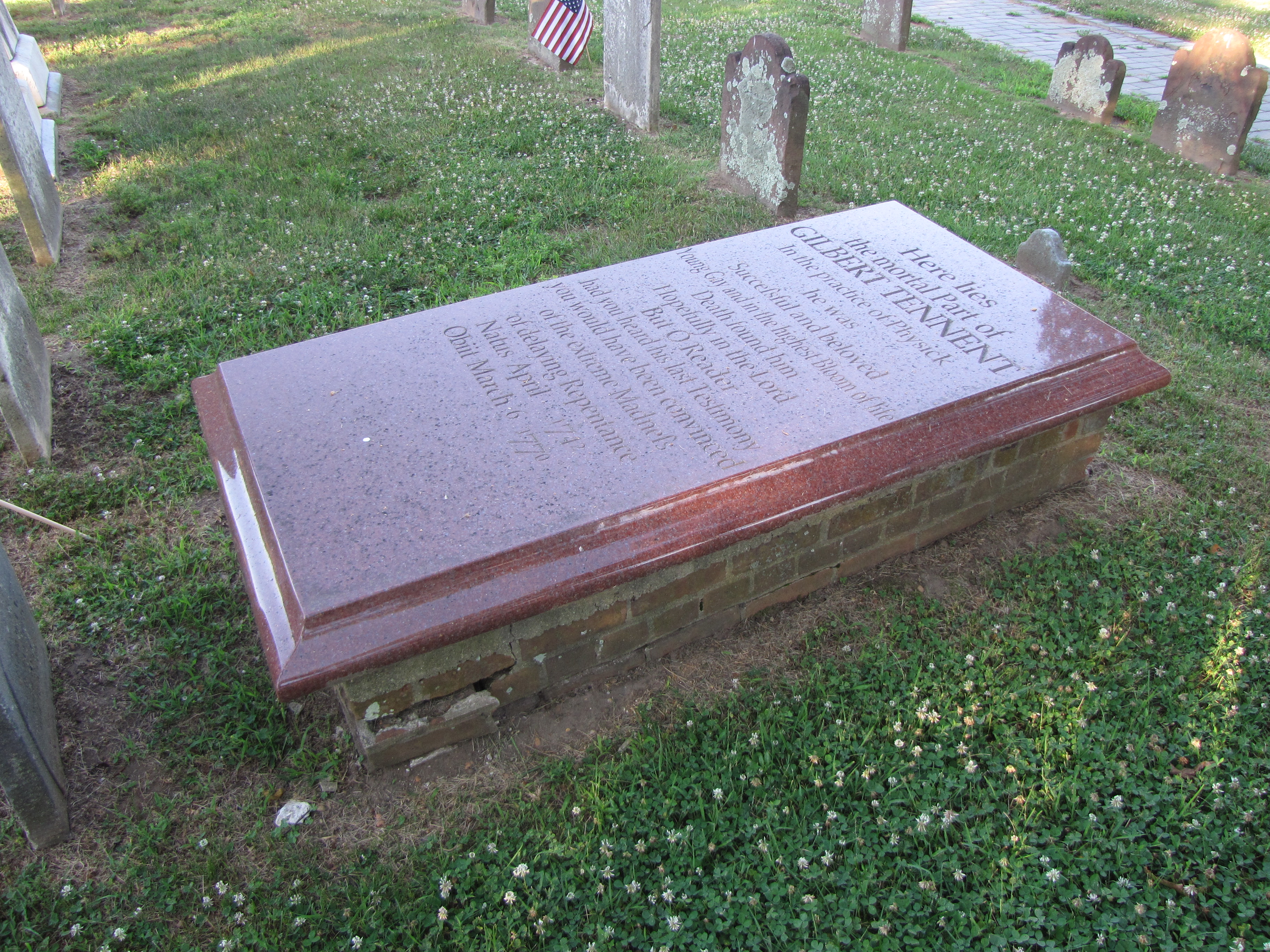
Nestled in the historic Old Tennent Presbyterian Church Cemetery, in Tennent, New Jersey lies the grave of Gilbert Tennent, the third son, of the Reverend William Tennent, Jr., and Catherine Noble Tennent.  Gilbert’s epitaph carved into the red granite ledger hints at the story that lies buried with him.

Here lies                                                                                                                                            the mortal Part of                                                                                                                      GILBERT TENNENT                                                                                                                      In the practice of Physick                                                                                                                    he was                                                                                                                                            Successful and beloved                                                                                                                 Young Gay and in the highest Bloom of life                                                                              Death found him                                                                                                                            Hopefully in the Lord                                                                                                                           But O Reader                                                                                                                                  had you heard his last Testimony                                                                                                                                        you would have been convinced                                                                                                         of the extreme Madness                                                                                                                      of delaying Repentance                                                                                                                      Natus April    1742                                                                                                                        Obit March 6 1770

Posted in Epitaphs | 2 Comments

The Lily

The window inside the Hibbard Family Mausoleum, Missouri Valley, Iowa

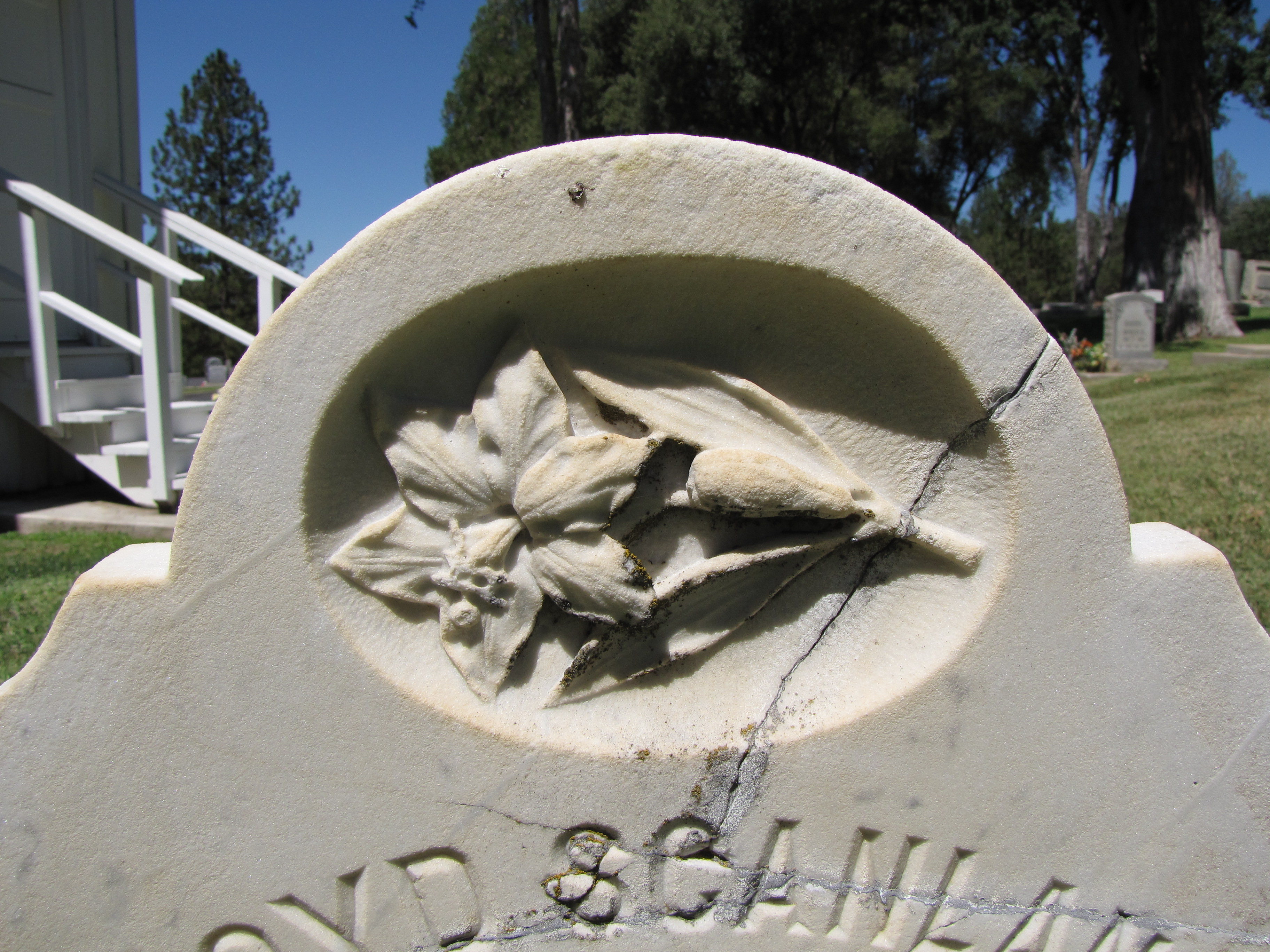
The lily, as a funerary symbol, has many meanings including purity, innocence, virginity, heavenly bliss, majestic beauty, and Christ’s ressurection.  Christians believe that the trumpet-shaped blossoms announce the Resurrection of Jesus Christ. As pictured in the stained-glass window above, the white lillies symbolize the hope of eternal life.

The Easter Lily has long been associated with the Christian religion, commonly referred to as “White-Robed Apostles of Christ.” Early Christians believed that lillies sprouted where Jesus Christ’s sweat fell to the ground in the Garden of Gethsemane.

White has typically been a color associated with virtues of purity and innocence.  Often the lily can be found on the grave of a child, the epitome of purity and innocence. 

The white lily is also associated with virginity and marriage, in particular relationship to women.  On one hand, the lily represents virginity and innocence, which is an appropriate symbol for a young unmarried woman.  On the other hand, it is symbolic of majestic beauty and marriage, which makes it an appropriate symbol for all married women regardless of their age.

Oakhill Cemetery, Oakhurst, California

Posted in Symbolism | Leave a comment