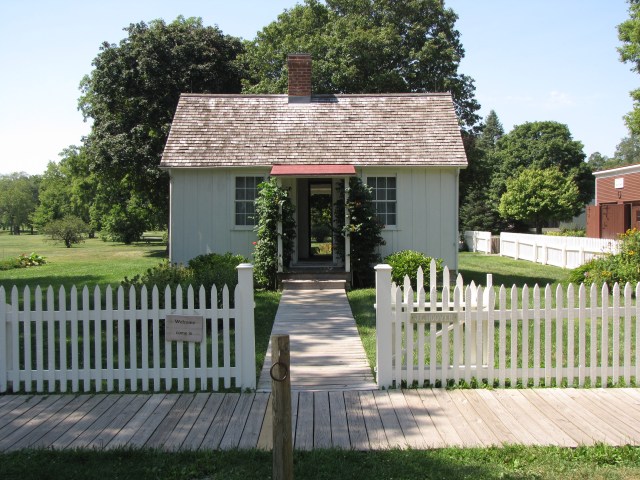
Passionflower

Fairmont Cemetery, Denver, Colorado

The passionflower was so named by Spanish Christian missionaries because they identified parts of the flower with the passion of Jesus Christ. 

  • Then ten petals represent the ten faithful disciples.  The two apostles who were not considered were St. Peter, the denier, and Judas Iscariot, the betrayer.
  • The filaments that circle the center of the flower represent Christ’s crown of thorns.
  • The curled filaments represent the whips used in flagellation of Christ.
  • The white color was equated with Christ’s innocence.
  • The styles symbolize the nails.


Posted in Symbolism | 1 Comment

Angel and Open Gates

Crown Hill Cemetery, Indianapolis, Indiana

This beautiful gray granite monument in the Crown Hill Cemetery displays two symbols–the angel holding a trumpet standing in front of open gates.  The angel is a messenger for God.  In this example, the angel is holding the trumpet, the message being delivered is the call for Judgment Day and the announcement of the Resurrection.  The open gates are central to the Last Judgment.  The gates are the portal for saved souls to make their passage from the Earthly realm to Heaven upon Christ’s return.


Posted in Angels, Symbolism | Leave a comment

The Call


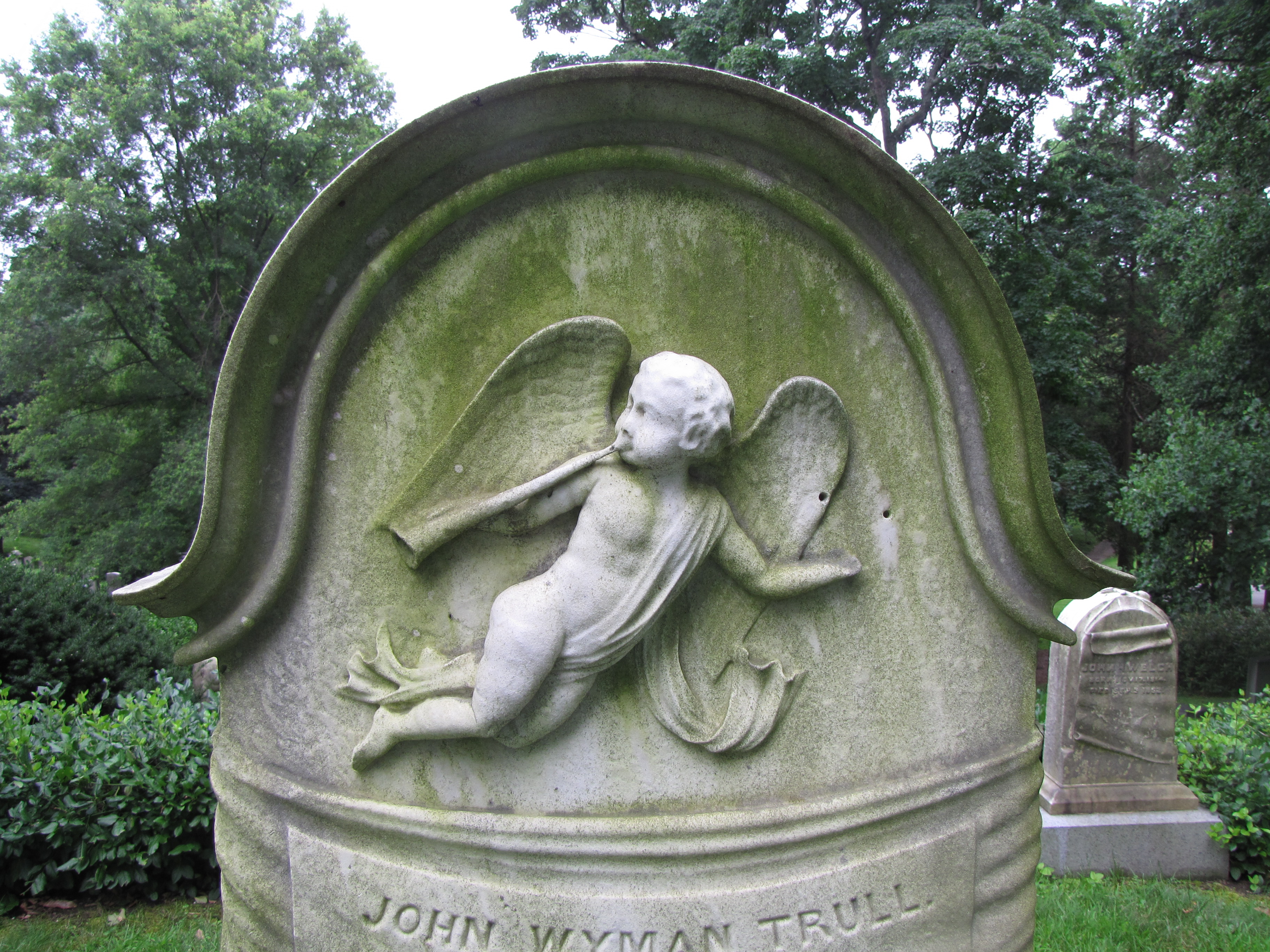
Mt. Auburn Cemetery, Cambridge, Massachusetts

 Above a cherub blows the trumpet as he looks back as if he is beckoning others to follow him.

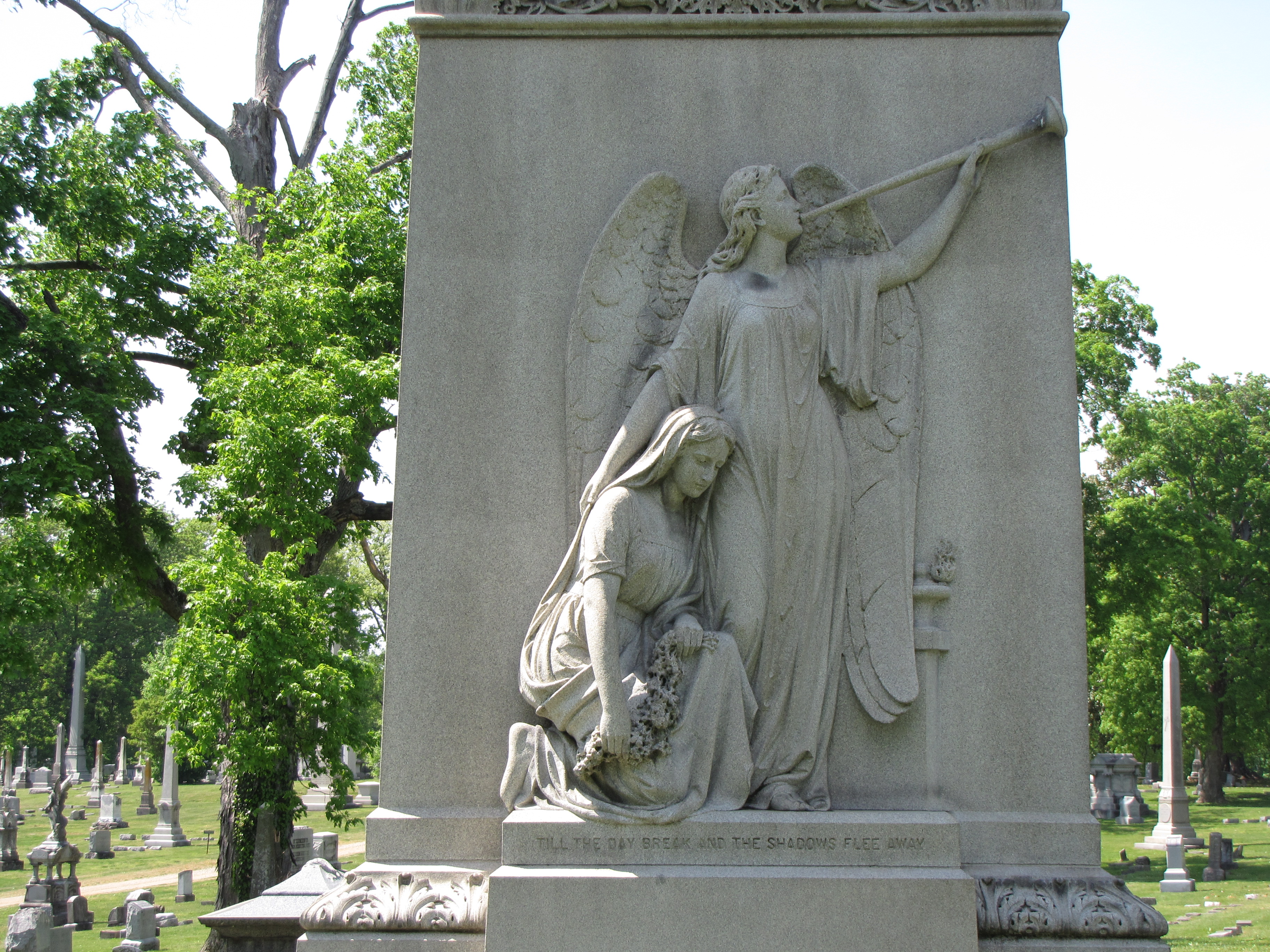
On the monument below, the angels is blowing the trumpet, announcing the Day of Judgment and the Call to Resurrection.

Mt. Olivet Cemetery, Nashville, Tennessee

Posted in Angels | Leave a comment

Angel

Frankfort Cemetery, Frankfort, Kentucky

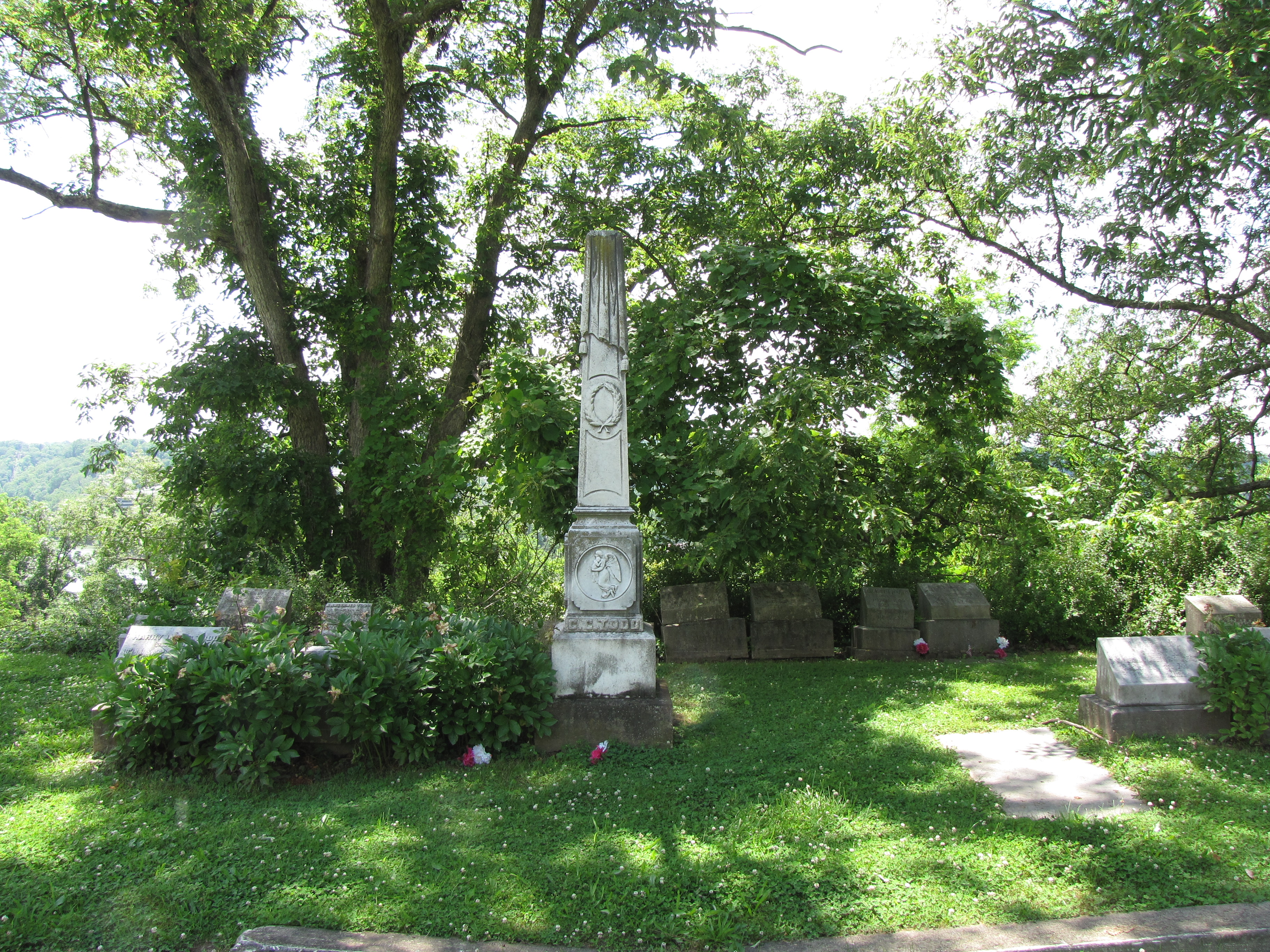
Carved into this bas relief, is the image of an angel holding a baby in her arms.  While angels are God’s messengers, in this case, the angel is carrying the soul of the child to Heaven.

Frankfort Cemetery, Frankfort, Kentucky

Posted in Angels | Leave a comment

Book and Crown

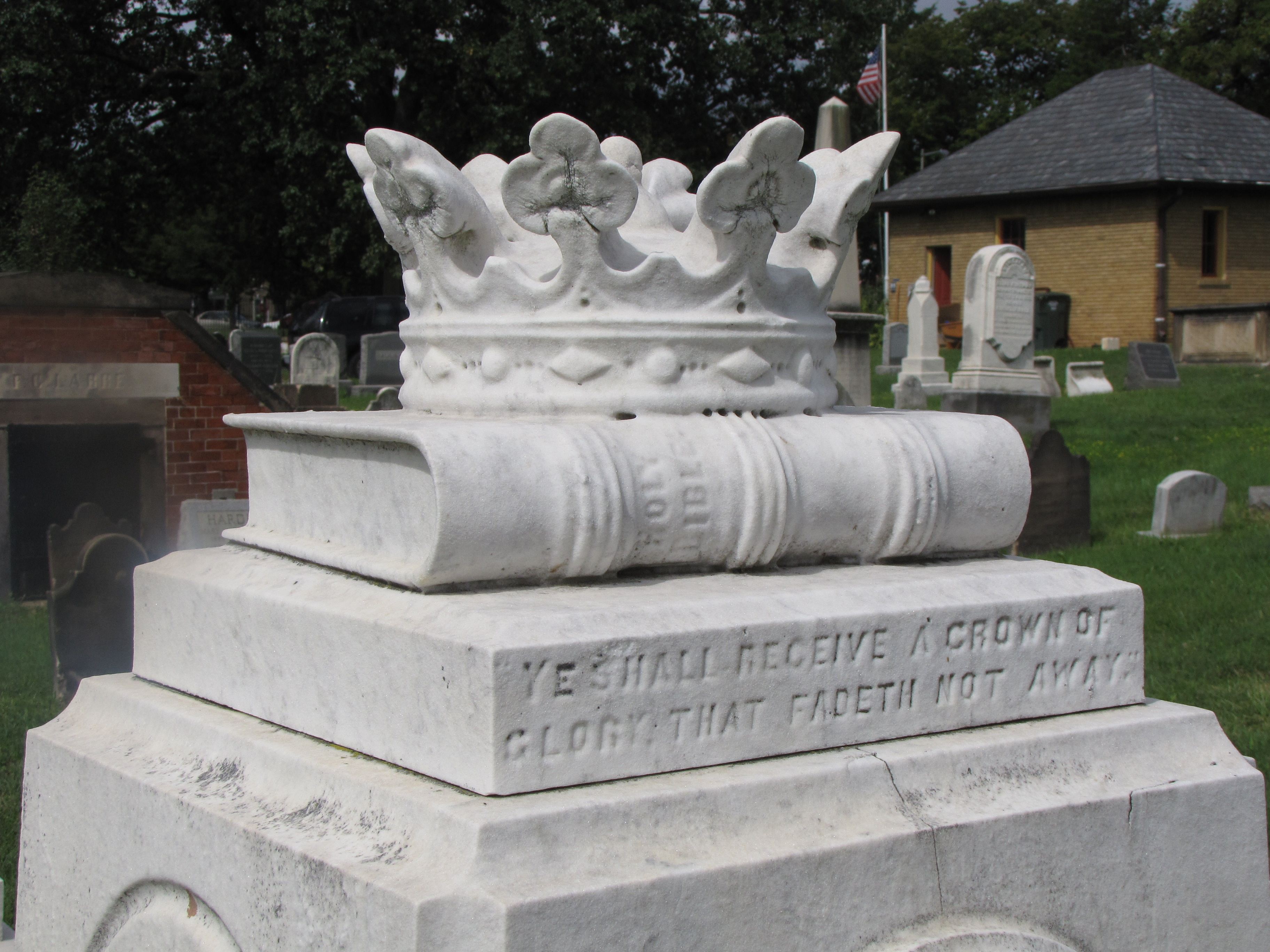
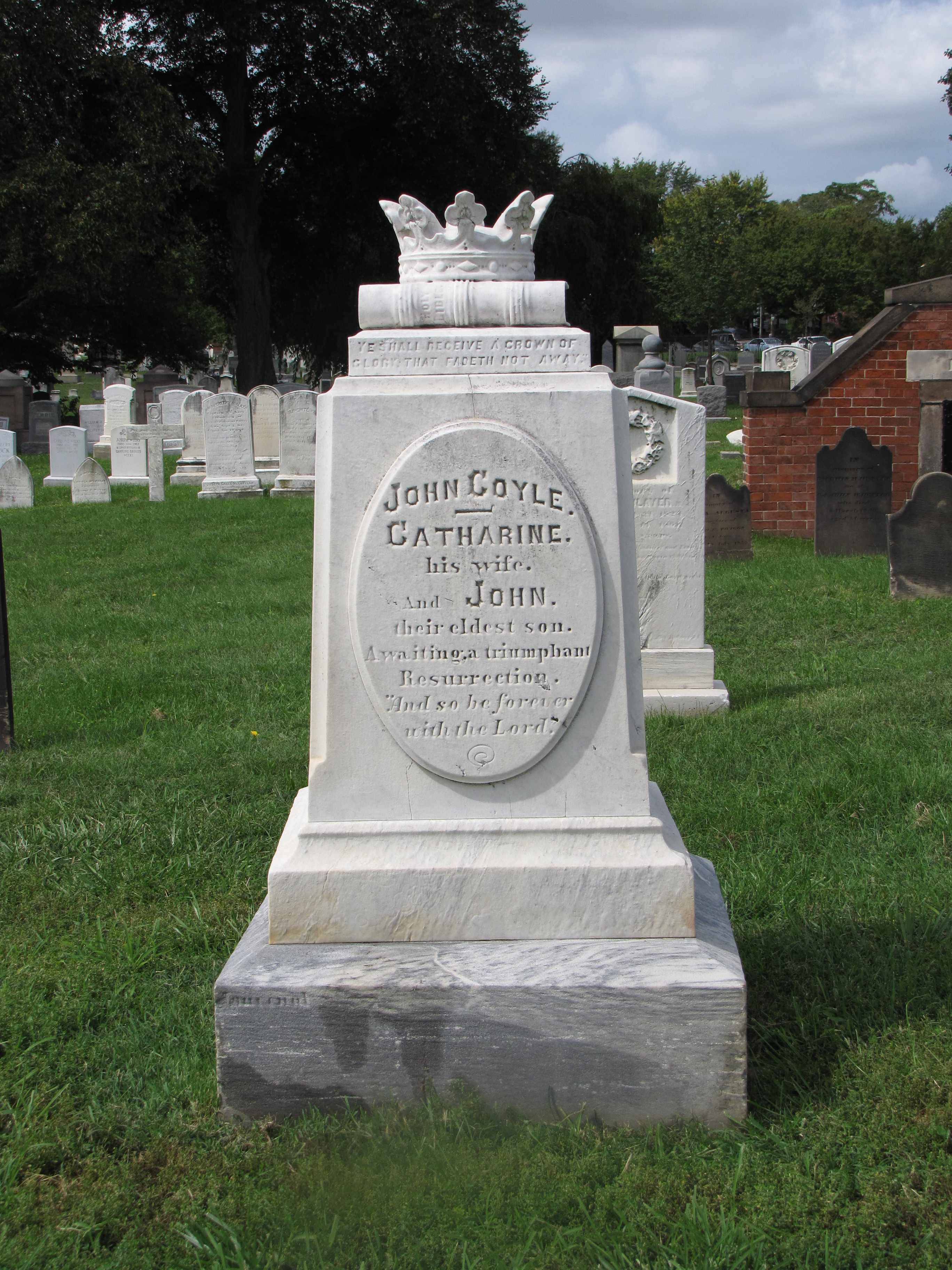
Congressional Cemetery, Washington, D.C.

In keeping with the book theme of the past couple of days on the blog, carved on the top of this gravestone is an elaborately carved crown resting on a closed book with the following epitaph:

“YE SHALL RECEIVE A CROWN OF GLORY, THAT FADETH NOT AWAY.”

In some cases, a closed book, can represent the end of the story, or as in this case, the closed book symbolizes the Bible.  The clencher clue here are the two words, Holy Bible, carved into the spine. 

The crown represents the reward of Heaven.  I often heard my Mom or Dad say, “There’s going to be an extra jewel in their crown when they get to Heaven” when they were talking about someone who had done something extra generous for someone else;  something that really put the person out or took extra effort.   

Congressional Cemetery, Washington, D.C.

Posted in Symbolism | Leave a comment

Open Book

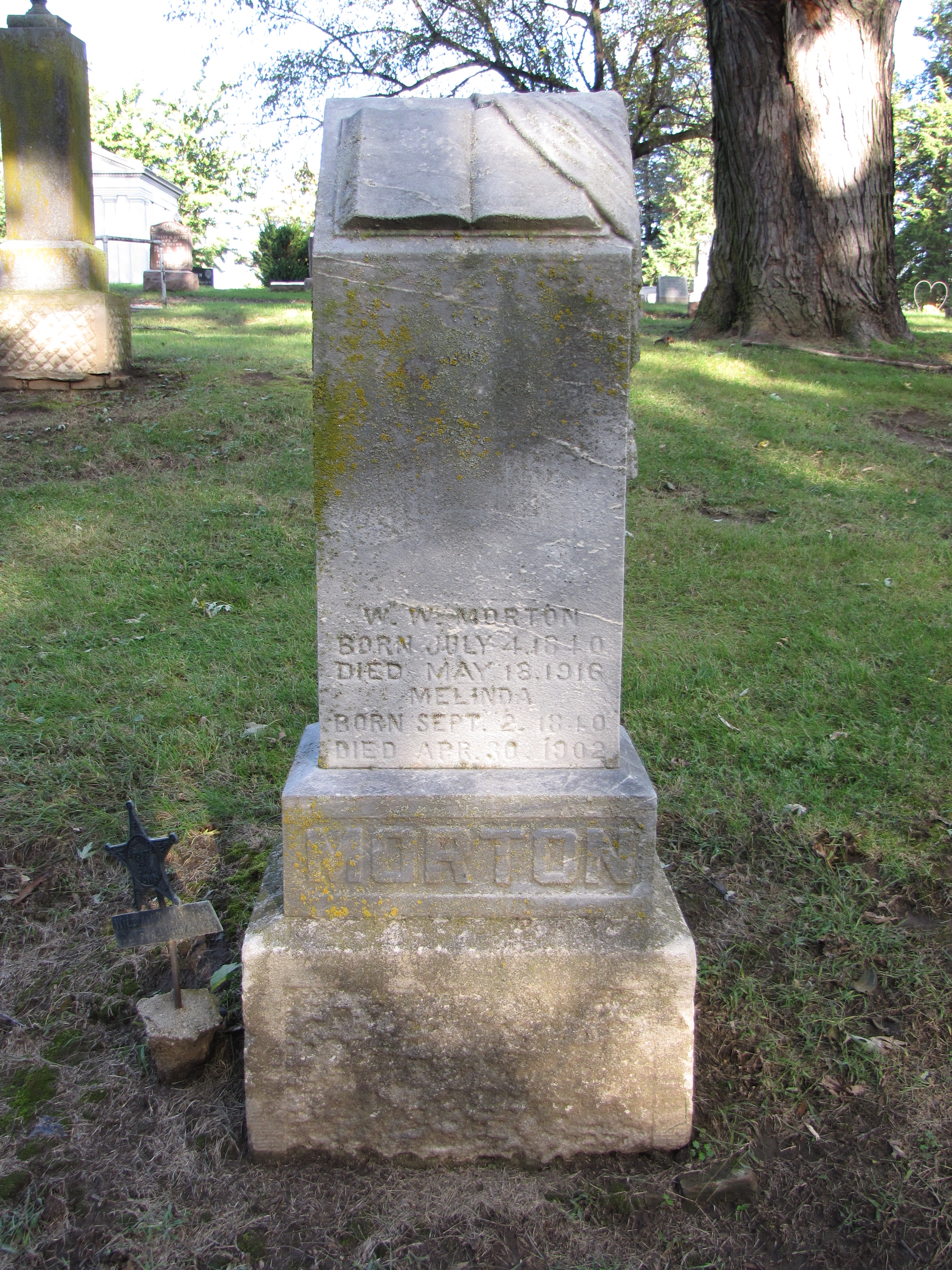
Rose Hill Cemetery, Missouri Valley, Iowa

The tombstone above is topped with an open book that has a mourning drape over the right corner of the column.  The open book is a fairly common symbol found on gravestones. The motif can represent the Book of Life with the names of the just registered on its pages.  This book, like any book in a cemetery, can also symbolize the Word of God in the form of the Bible.

Greenwood Memory Lawn Cemetery, Phoenix, Arizona

The open book is often used to display the names of the deceased on the pages of the open book as in the examples above and below.

Erie Cemetery, Erie, Pennsylvania

Posted in Symbolism | 1 Comment

Closed book

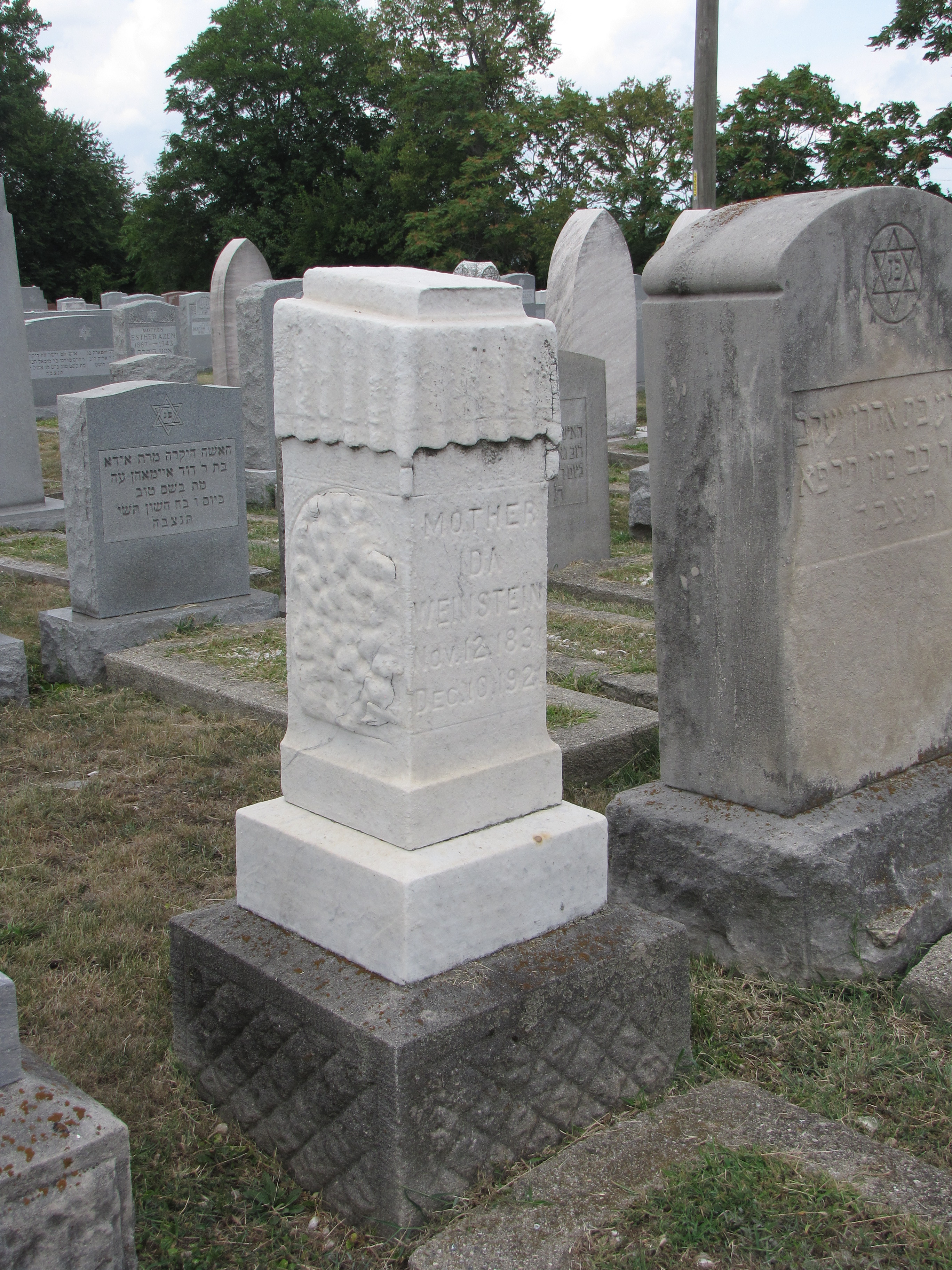
Congregation Knesses Israel Cemetery, Indianapolis, Indiana

The white marble tombstone above has a closed book carved on it resting on top of a draped square column.  In Victorian times, heavy black drapery was used during funerals.  The use of it here represents mourning. 

The closed book is often a metaphor for the end of life, the story has been told and the end of the story has come.  After the book is complete, and the book is closed, the author lay in the grave.  One of the best written examples of this was written by Benjamin Franklin when he wrote his mock epitaph:

The body of

B. Franklin, Printer

(Like the Cover of an Old Book

Its Contents torn out

And Stript of its Lettering and Gilding)

Lies Here, Food for Worms.

But the Work shall not be Lost:

For it will (as he Believ’d) Appear once more

In a New and More Elegant Edition

Revised and Corrected

By the Author.

Posted in Symbolism | 1 Comment

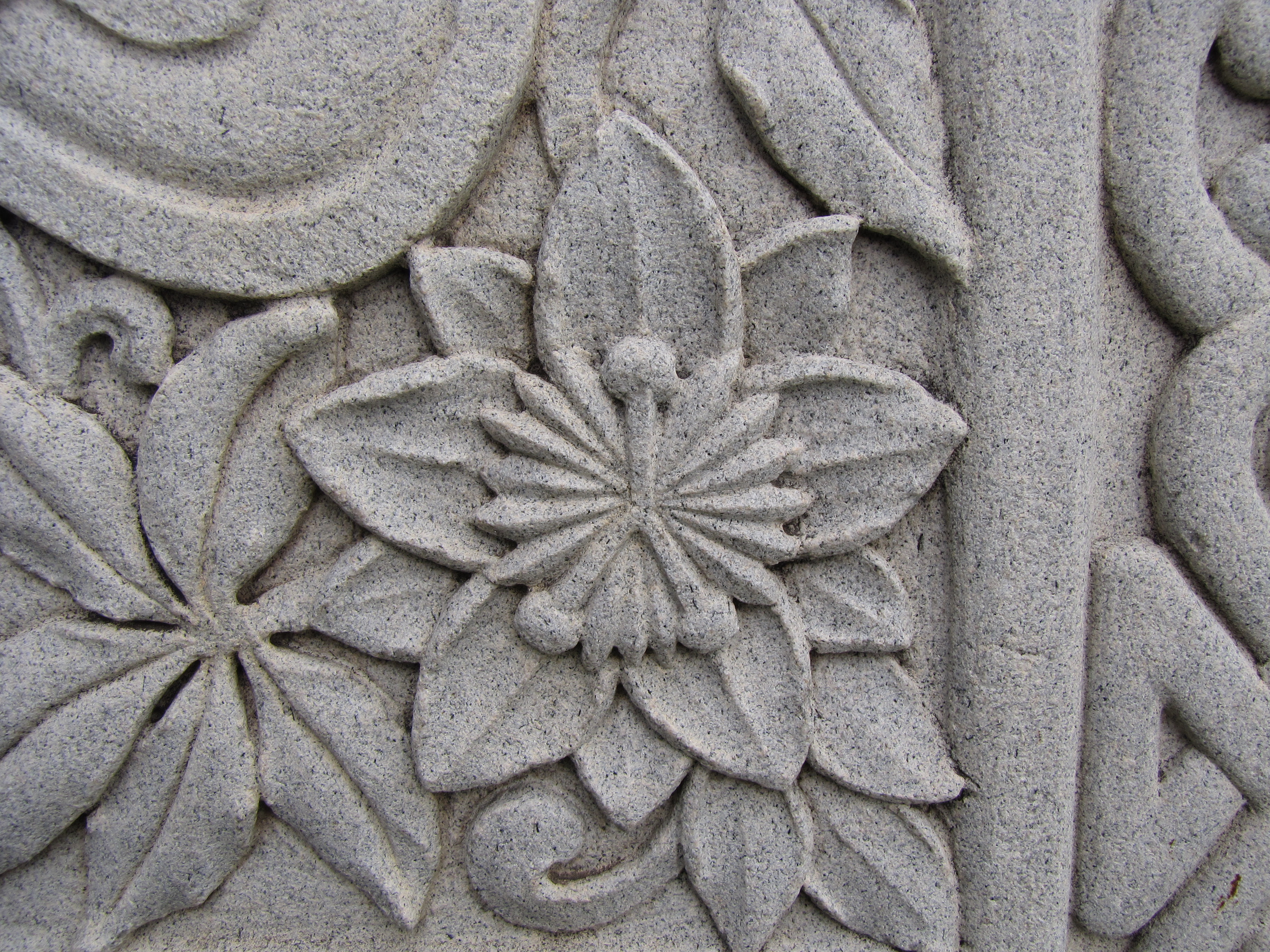
Herbert Hoover

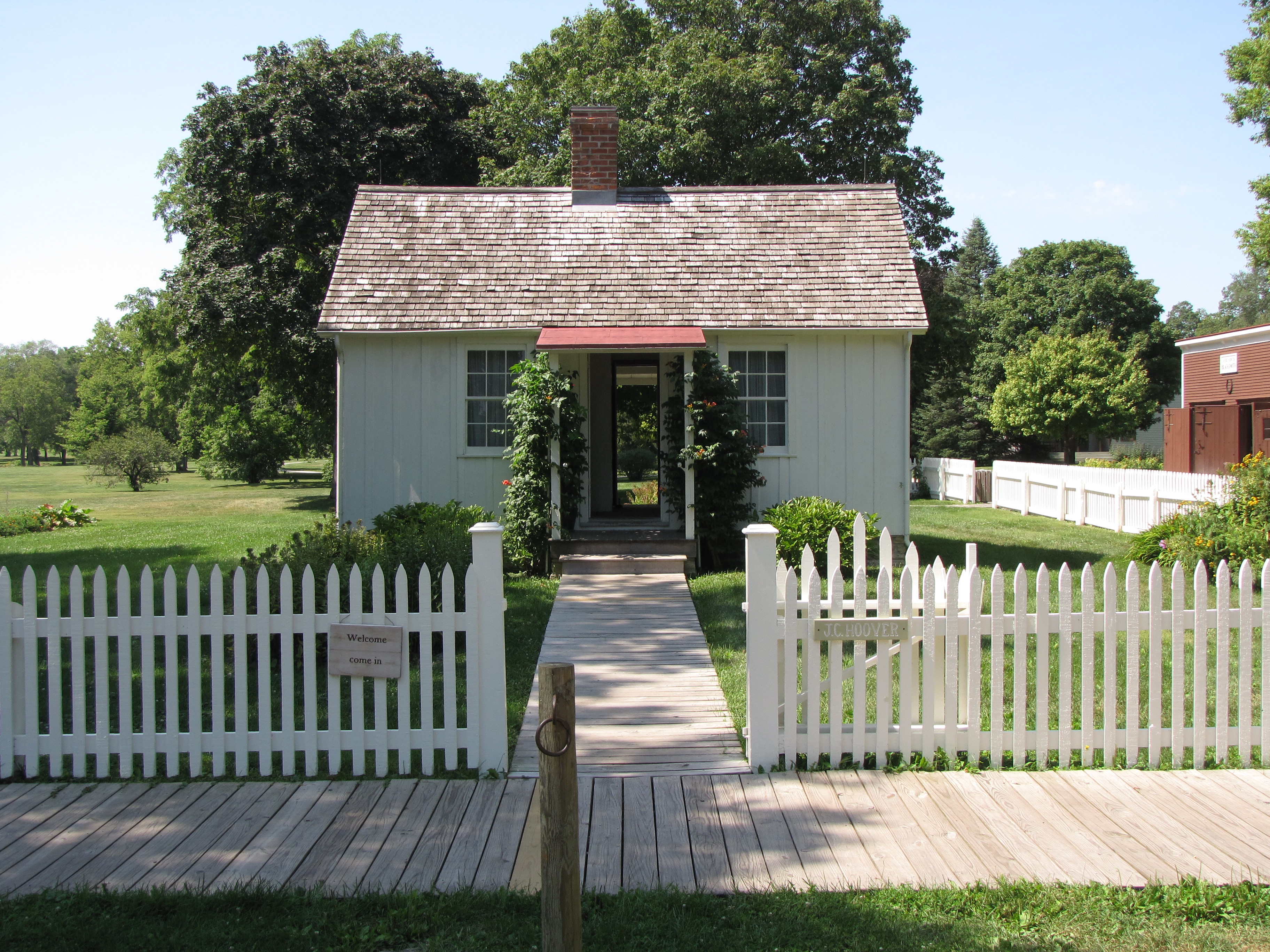
The Herbert Hoover Birthplace, West Branch, Iowa

Herbert Clark Hoover, was the first president born west of the Mississippi and the first and only president born in Iowa.  Hoover was born August 10, 1874, to Quaker parents, Jessie and Hulda Minthorn Hoover, into a very modest two-room white clapboard home.  He was the son of a blacksmith and orphaned after both of his parents died, his father when he was six, his mother when he was nine.  Eventually he was sent to live with his mother’s brother, John Minthorn, in Newberg, Oregon.

Hoover attended the first class at Stanford to study engineering.  He graduated and went into mining, where he made a fortune in Australia and China.  He married his college sweetheart, Lou Henry.  While in China, Herbert and Lou taught themselves Mandarin, which they often spoke to each other when they didn’t want others to eavesdrop. 

Hoover made his way into politics first as Secretary of Commerce under president Harding and then President Coolidge.  After Coolidge’s term, Hoover ran for the presidency and beat Democrat Al Smith.  Only nine months after he took office the stock market crashed and with it went his presidency.  His belief in rugged individualism made him ill-equipped to deal with the economic catastrophe.  Hoover is to the presidency as Edsel is to the car–considered a lemon–because of his inability to deal with the disaster of the Great Depression.
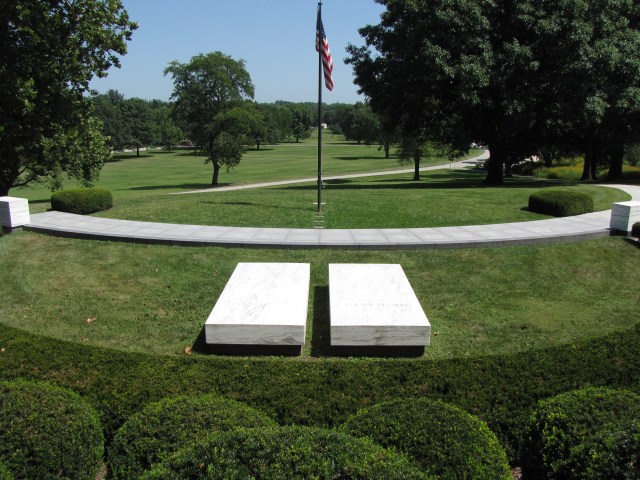
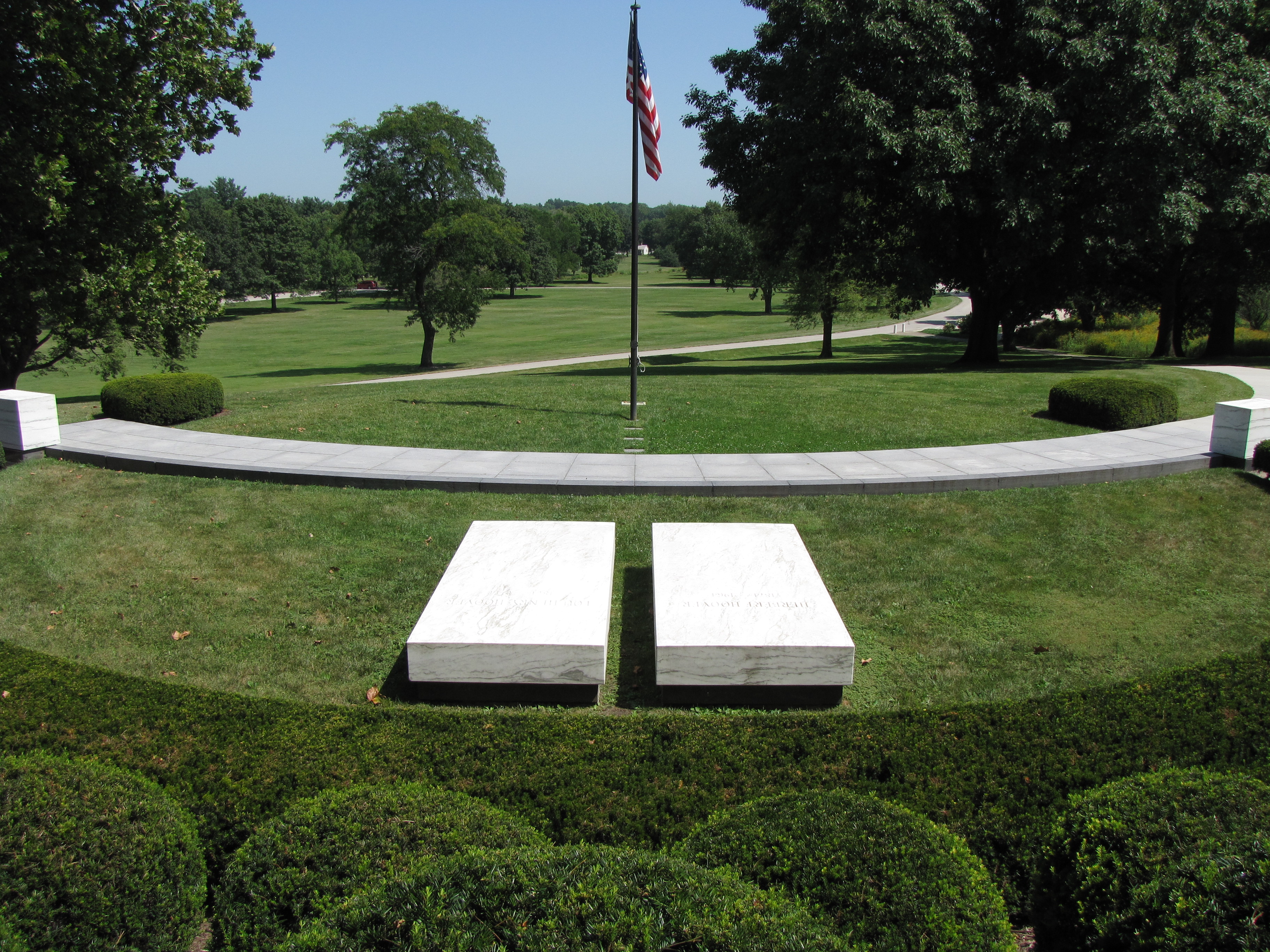
The Herbert and Lou Hoover burial site, West Branch, Iowa

The Hoover burial site is in West Branch, Iowa.  The two graves, marked with white marble grave ledgers, sit up on a slope that overlooks Hoover’s birthplace.  If you look directly past the flagpole, you can see the back of a small home, the two-room home in which Hoover was born. 

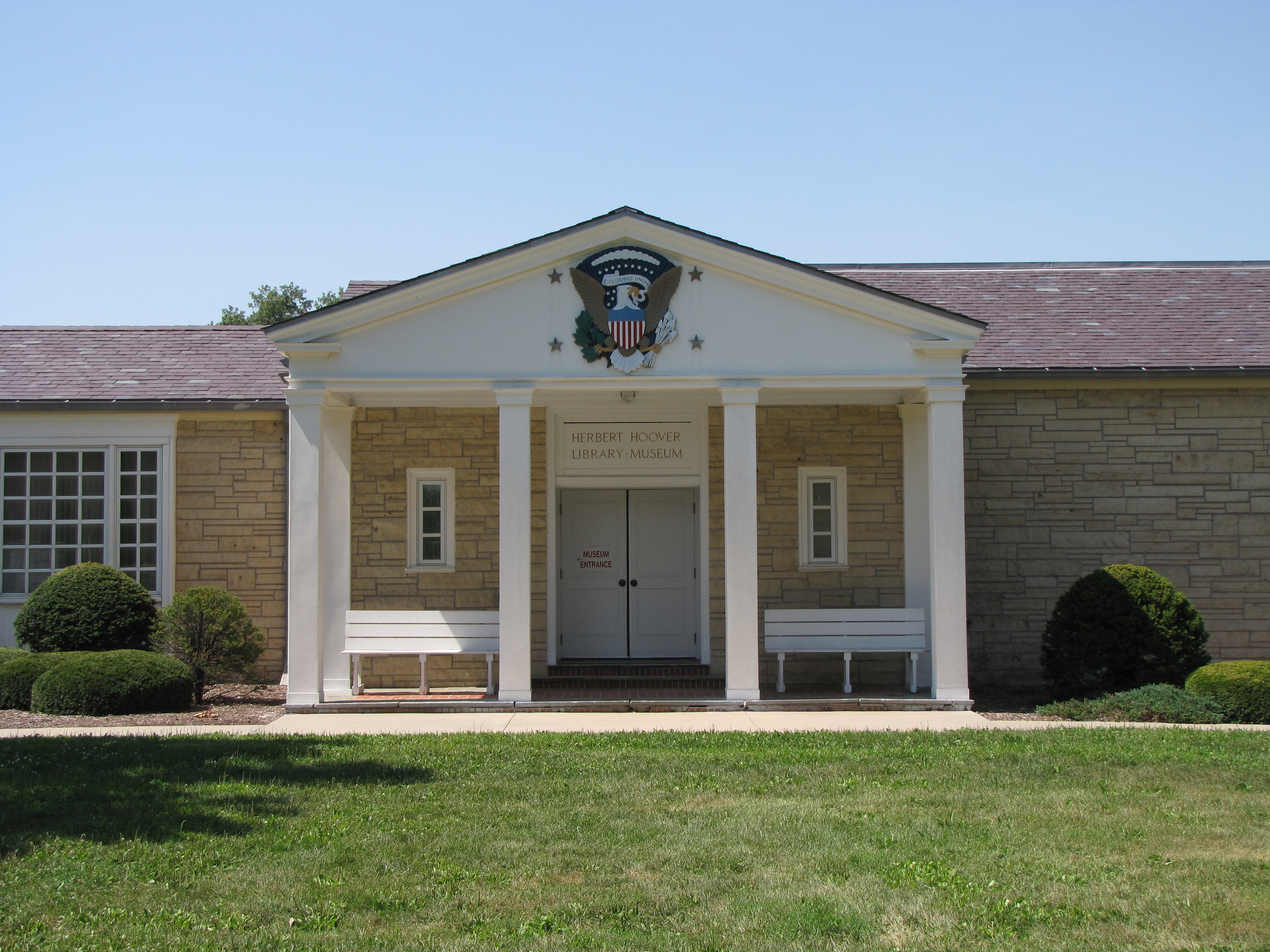
This is also the site of the Hoover Presidential Library.
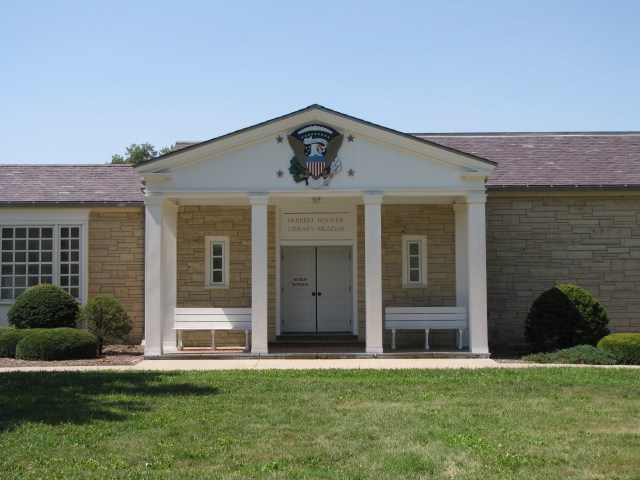
The Herbert Hoover Presiential Library, West Branch, Iowa

Posted in Presidential graves | Leave a comment

Knights of St. John

Laurel Hill Cemetery, Erie, Pennsylvania

The Knights of St. John, named for their patron saint, St. John the Baptist, is a fraternal organization for Catholic men founded May 6, 1886, in New York State.  The organization is the amalgamation of many organizations, such as, the Knights of St. George, the Knights of St. Paul, the Knights of St. Louis, the Knights of St. John, all of which were formed “to improve their moral, mental and social condition; to aid, assist and support members and their families in case of want, sickness and death; and to promote the welfare of the Roman Catholic Religion.” 

According to the Buffalo Commandery the Order took as its mission: “a filial, devotion to and respect for the authority of the Roman Catholic Church, a sense of honor, love of truth, courage, respect for womanhood and a indiscriminating charity motivated by love of GOD”.  The Order the Knights of St. John, now international, encompasses 17 countries numbering over 12,000 Knights.  (The units or posts of the Knights of St. John are formed into Commanderies.)

Above is a metal marker marking the grave of a member of the Knights of St. John.  The marker is in the shape of the Maltese Cross, the emblem of the order. It has eight tips. Each tip reminds the viewer of the eight Beatitudes found in the Gospel of St. Matthew (5:3-10):

  • Blessed are the poor in spirit: for theirs is the kingdom of heaven.
  • Blessed are the meek: for they shall possess the land.
  • Blessed are they who mourn: for they shall be comforted.
  • Blessed are they that hunger and thirst after justice: for they shall have their fill.
  • Blessed are the merciful: for they shall obtain mercy.
  • Blessed are the clean of heart: for they shall see God.
  • Blessed are the peacemakers: for they shall be called the children of God.
  • Blessed are they that suffer persecution for justice’ sake, for theirs is the kingdom of heaven.
Posted in Metal Markers | Leave a comment

Daughters of America

Miami Cemetery, Miamitown, Ohio

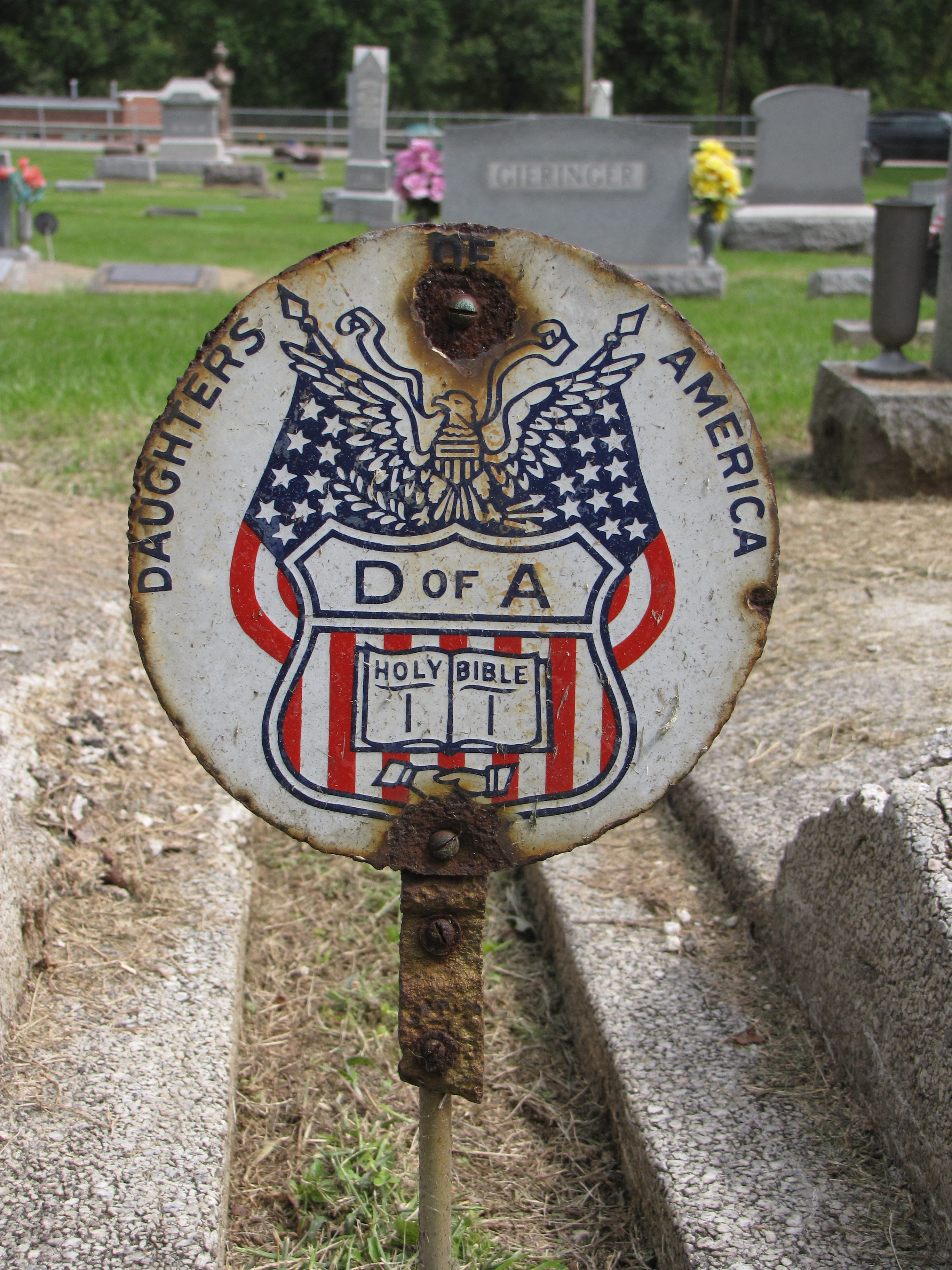
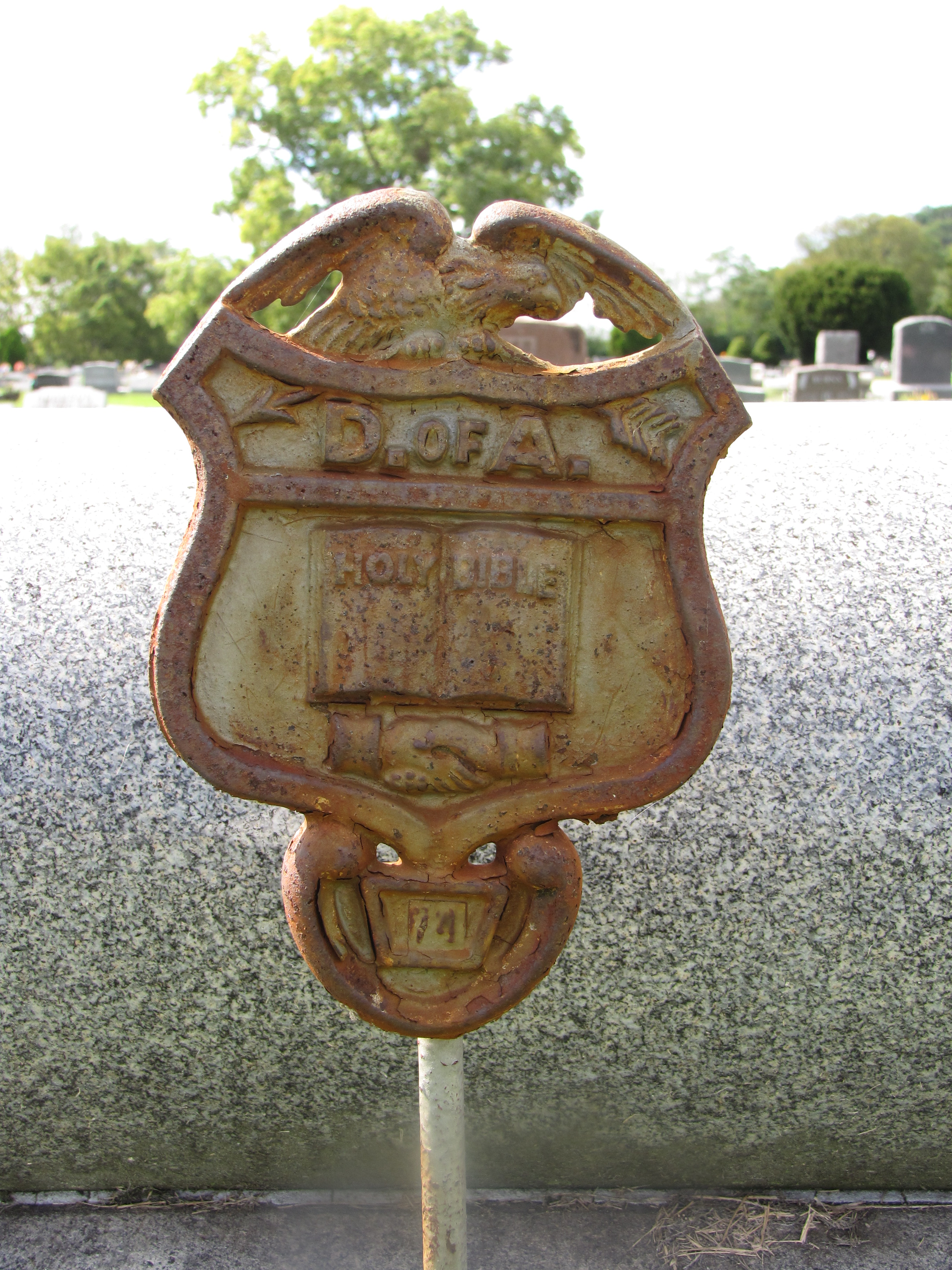
The metal marker above marks the grave of a member of the Daughters of America, a fraternal order founded in Allegheny County, Pennsylvania, in 1891 as the auxillary organization of the Jr. Order of United American Mechanics. 

The eagle and the stars above the shield represent patriotism, the open Bible in the shield symbolizes religion.  Below the Bible are clasping hands, representing the unity of membership.

Miami Cemetery, Miamitown, Ohio

The Daughters of America organization was founded as part of the anti-immigrant movement in the later part of the 19th Century. The organization admits white males and females of good moral character.  Following are the main tennets of the order:

Resist unrestricted immigration

Help Americans find employment

Encourage the growth of American businesses

Support Bible reading in public schools

Oppose sectarian influences in state and national governmental affairs

Promote the Jr. Order of United American Mechanics

Provide funds to support orphans of deceased DOA members

Provide funds for the aged and infirmed members of the organization

Maple Grove Cemetery, Hooven, Ohio


Miami Cemetery, Miamitown, Ohio

Posted in Metal Markers | 49 Comments