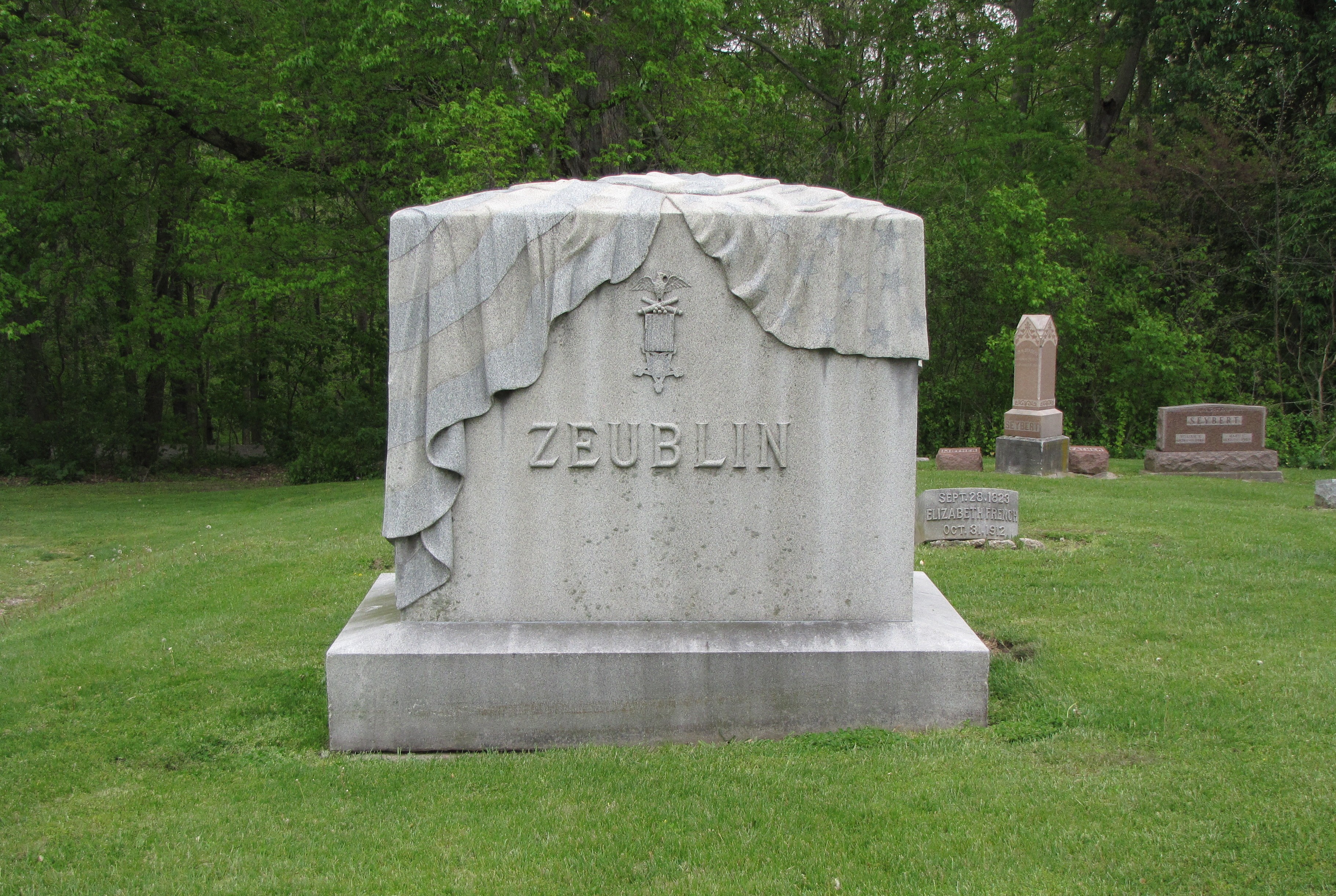
Draped American Flag

Grove Lawn Cemetery, Pendleton, Indiana

The United States flag is almost exclusively used as a symbol on the gravestones of veterans.  The flag is the symbol of our country and denotes patriotism and love of country.  It is displayed on the graves of veterans because of their devotion and their sacrifice made in the service of our country.

A dramatic example of this can be found in the the Grove Lawn Cemetery in Pendleton, Indiana, on Jonathan W. Zeublin’s (1838- 1919) gravestone.   An immense block of gray granite has been carved to look as if an American flag is draped over the stone.  The flag is so convincingly carved it almost looks as if a big gust of wind could carry it aloft.  The ripples and the draped fabric of the flag is amazingly realistic.  The alternating stripes of our flag are made by highly polishing a stripe and leaving one rough finished to make the contrast between the red and white stripes.  The same technique is used for the stars in the canton, which are polished while what would be the blue background is left matte.
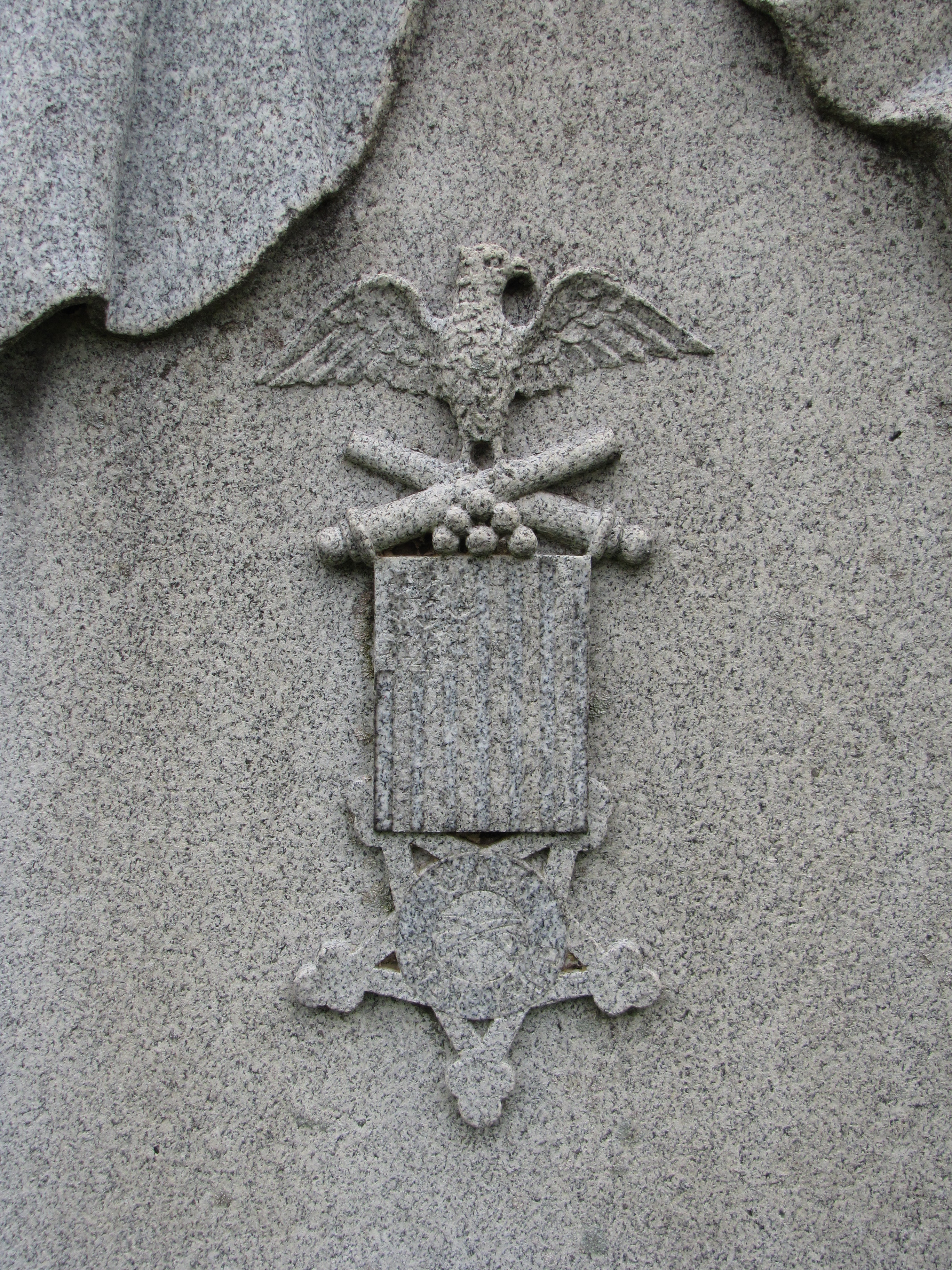
The flag drapes over the face of the stone which displays the G.A.R. (Grand Army of the Republic) medal that veteran soldiers who fought for the North wore to commemorate their service.  Jonathan Zeublin joined Company B, 89th Regiment, Indiana Volunteers as a private on August 8, 1862.  Zeublin had a somewhat meteoric rise in the service.  He was elected a first sergeant and within twenty days of entering the service was commissioned a lieutenant.  One of the campaigns in which Zeublin fought was the Battle of Mumfordsville, Kentucky, which occurred September 14th through the 17th.  The fighting ended in a Confederate victory with over 4,000 casualties and losses for the Union side and a little over 700 on the Confederate side.  In 1863, due to injuries sustained during the course of his short tenure in the Union Army, Zeublin was forced to resign.  He returned to Pendleton, Indiana, to work as a merchant.  He married, had a family and belonged to the Methodist Church and the Odd Fellows Lodge.  But Zeublin chose only to commemorate his service in the Army on his gravestone.

Grove Lawn Cemetery, Pendleton, Indiana
Posted in Symbolism | 1 Comment

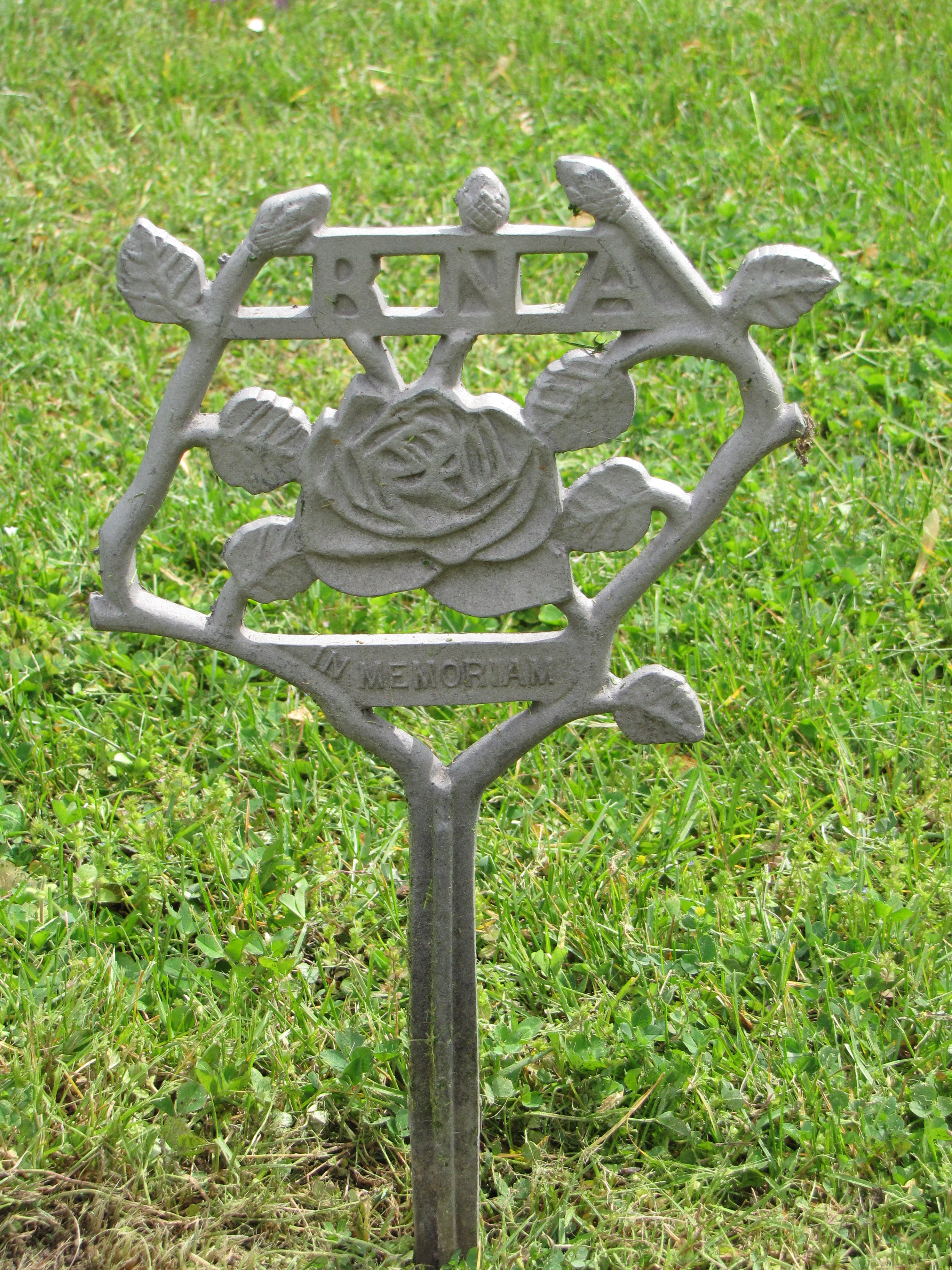
Royal Neighbors of America

Chesterton Cemetery, Chesterton, Indiana

“For better is a neighbor that is near than a brother that is far.”

Proverbs 27:10

Marie Kirkland of Council Bluffs, Iowa, placed an add in her local paper, the Council Bluffs Nonpareil, to bring together a meeting of the wives of the Modern Woodmen of America.  The meeting was to be a social activity.  The nine women who came that first night formed a ladies auxiliary to Modern Woodmen Camp 171.

This fledgling social group, however, grew into the Royal Neighbors of America.  Within a year they had written and adopted a constitution, bylaws, and articles of incorporation based on the Biblical passage of Proverbs 27:10, “to bring joy and comfort into many homes that might otherwise today be dark and cheerless. . . by affording the mother an opportunity to provide protection upon her life.”.  They believed that their mission was so noble that they added “royal” to the organization’s name, dubbing it the Royal Neighbors of America. Marie Kirkland, known as the Mother of the Society, became the first Supreme Vice Oracle.  They also adopted six founding principles: Faith, Unselfishness, Courage, Endurance, Modesty, and Morality.

Many organizations at that time offered insurance to their members but excluded insuring women.  The RNA began offering insurance to women in 1895, and to children in 1918, one of the first to do so.  The organization has also helped victims of natural disasters in time of need since the Great San Francisco Earthquake of 1906, and helping victims as recently as the Katrina Hurricane.

Posted in Metal Markers | 1 Comment

Wheat

Grove Lawn Cemetery, Pendleton, Indiana

Wheat’s origins are unknown but is the basis of basic food and a staple in many cultures. Because of wheat’s exalted position as a mainstay foodstuff, it is viewed as a gift from Heaven.

Wheat symbolizes immortality and resurrection.  But, like many symbols found on gravestones, they can have more than one meaning.  For instance, because wheat is the main ingredient of bread, the sheaf of wheat can represent the Body of Christ.  Wheat can also represent a long life, usually more than three score and ten, or seventy years.

Coupled with the epitaph, “Gathered Home,” the wheat, in this case, suggests that the sheafs of wheat are gathered together like Christian souls on their way to Heaven.

Grove Lawn Cemetery, Pendleton, Indiana
Posted in Symbolism | Leave a comment

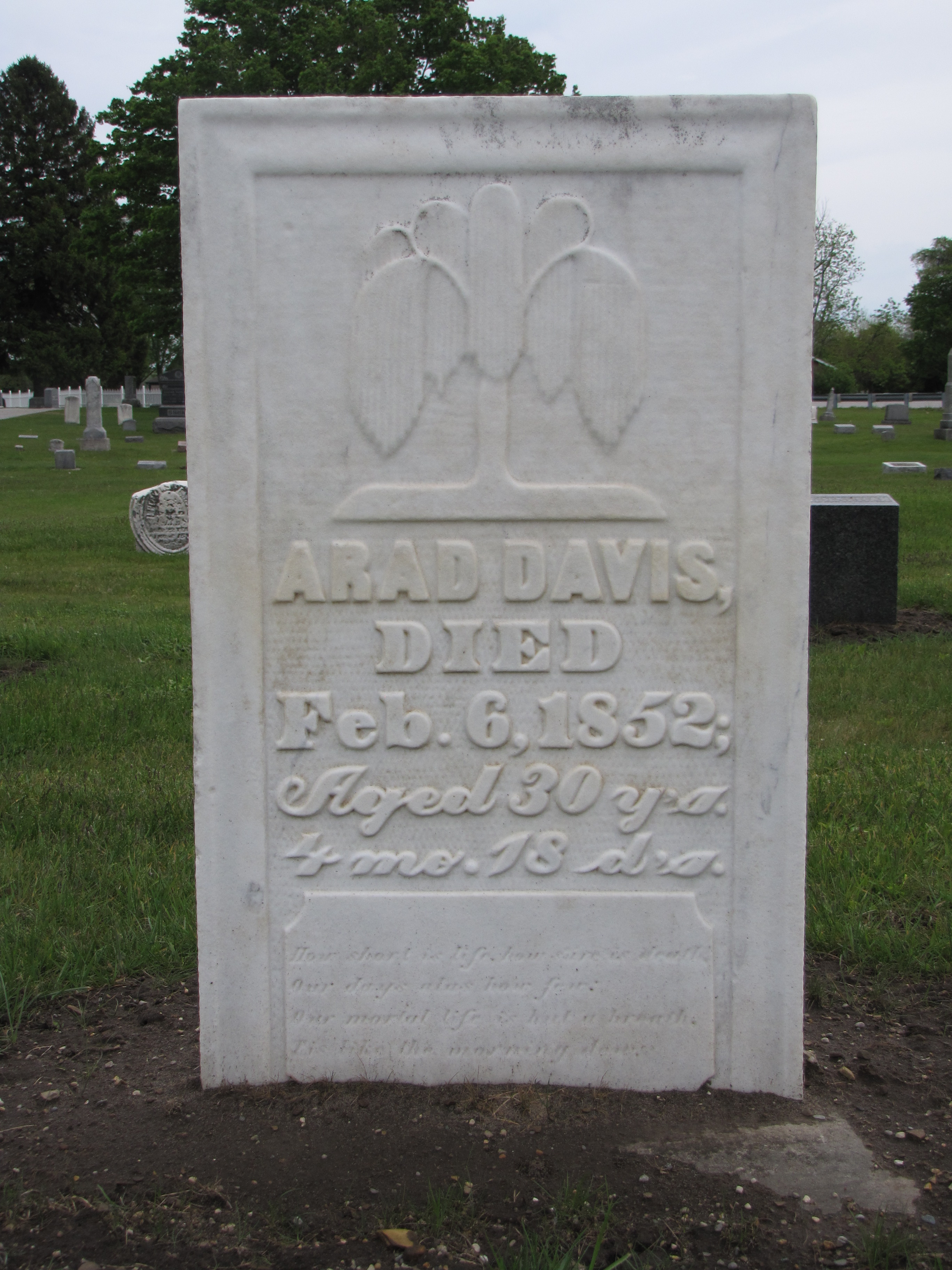
Like the morning dew

Kingsbury Cemetery, Kingsbury, Indiana

Displayed on the square-top white marble gravestone of 30-year old Arad Davis who died in 1852, is a highly-stylized willow tree, symbolizing sorrow and mourning.  The epitaph on the gravestone, faded and weathered but still legible, speaks to the fleeting nature of life:

How short is life, how sure is death

Our days alas how few,

Our mortal life is but a breath

Tis like the morning dew.

Posted in Epitaphs, Symbolism | Leave a comment

Cast iron willow

Kingsbury Cemetery, Kingsbury, Indiana

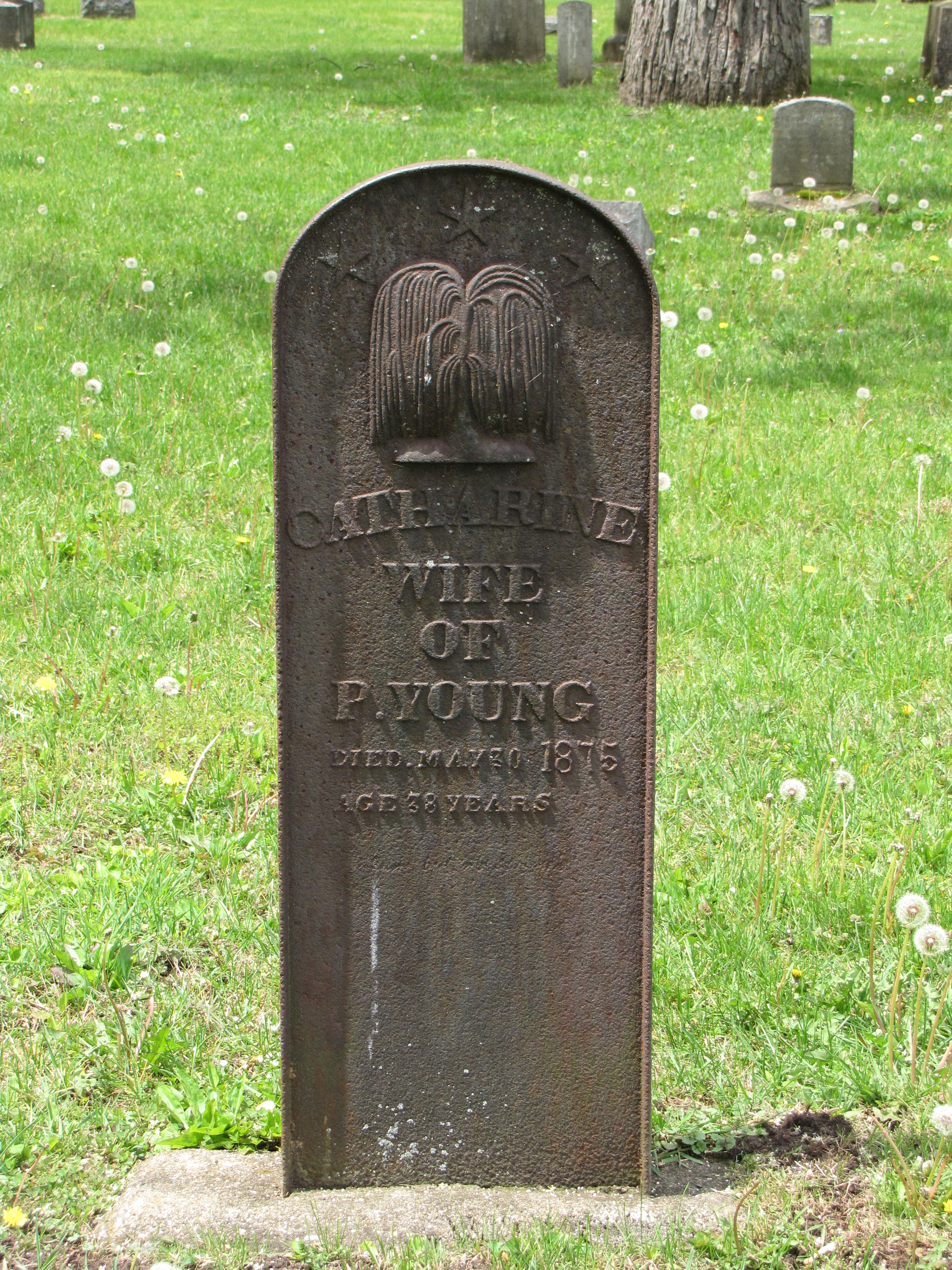
The willow motif on this gravemarker is not unusual, in fact, the willow is one of the most common symbols found in American cemeteries.  What makes this willow special is that it is found on a cast iron gravemarker.  While cast iron can be found as a material for making gravemarkers it is NOT common.

The secular meaning of the willow symbolism represents what one might expect; sorrow and grief, it is after all a “weeping” willow.  However, in Christian symbolism, the willow represents immortality because of the tree’s ability to shed so many limbs and survive.

Posted in Materials, Symbolism | 2 Comments

The Edmund Ball Mausoleum

Beech Grove Cemetery, Muncie, Indiana

Edmund Burke Ball, with his brother, Frank, borrowed $200 from their Uncle George Ball to purchase a can company.  A few years later the brothers added glass jars to their product mix and founded the Ball Brothers Glass Manufacturing Business, which became the Ball Corporation.  Those glass fruit jars made the family a fortune.  The Ball family shared the wealth with the community in which they built their business.  The Ball family’s legacy of philantrophy in Muncie includes Ball State University, Ball Memorial Hospital, and a city museum to save and protect the history and heritage of the community.

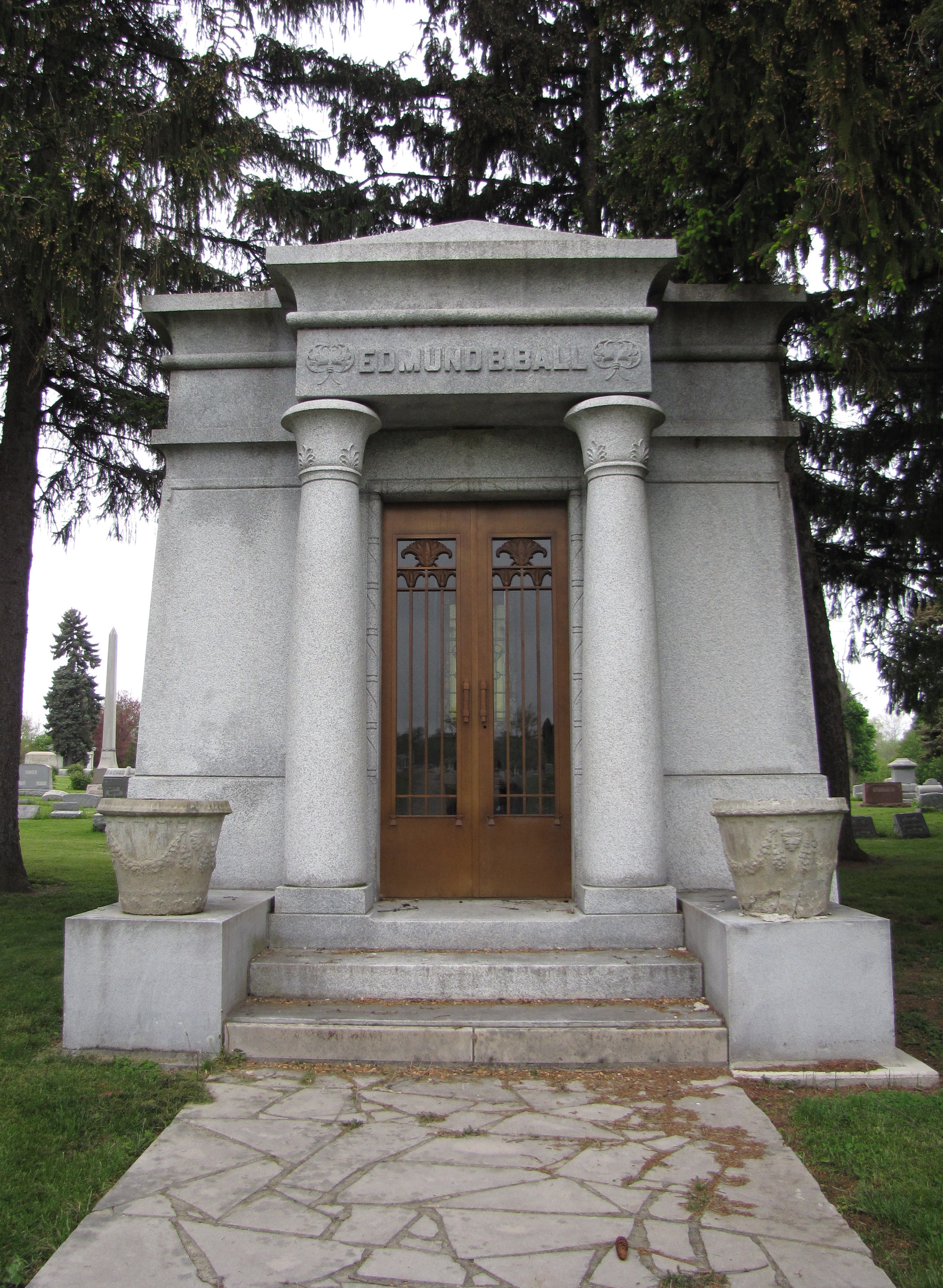
The wealth amassed by the family can also be seen in the Beech Grove Cemetery where the brothers built large mausoleums.  The Edmund B. Ball Mausoleum, in what is called “mausoleum row”, is an example of Egyptian Revival architecture found in many large urban cemeteries.

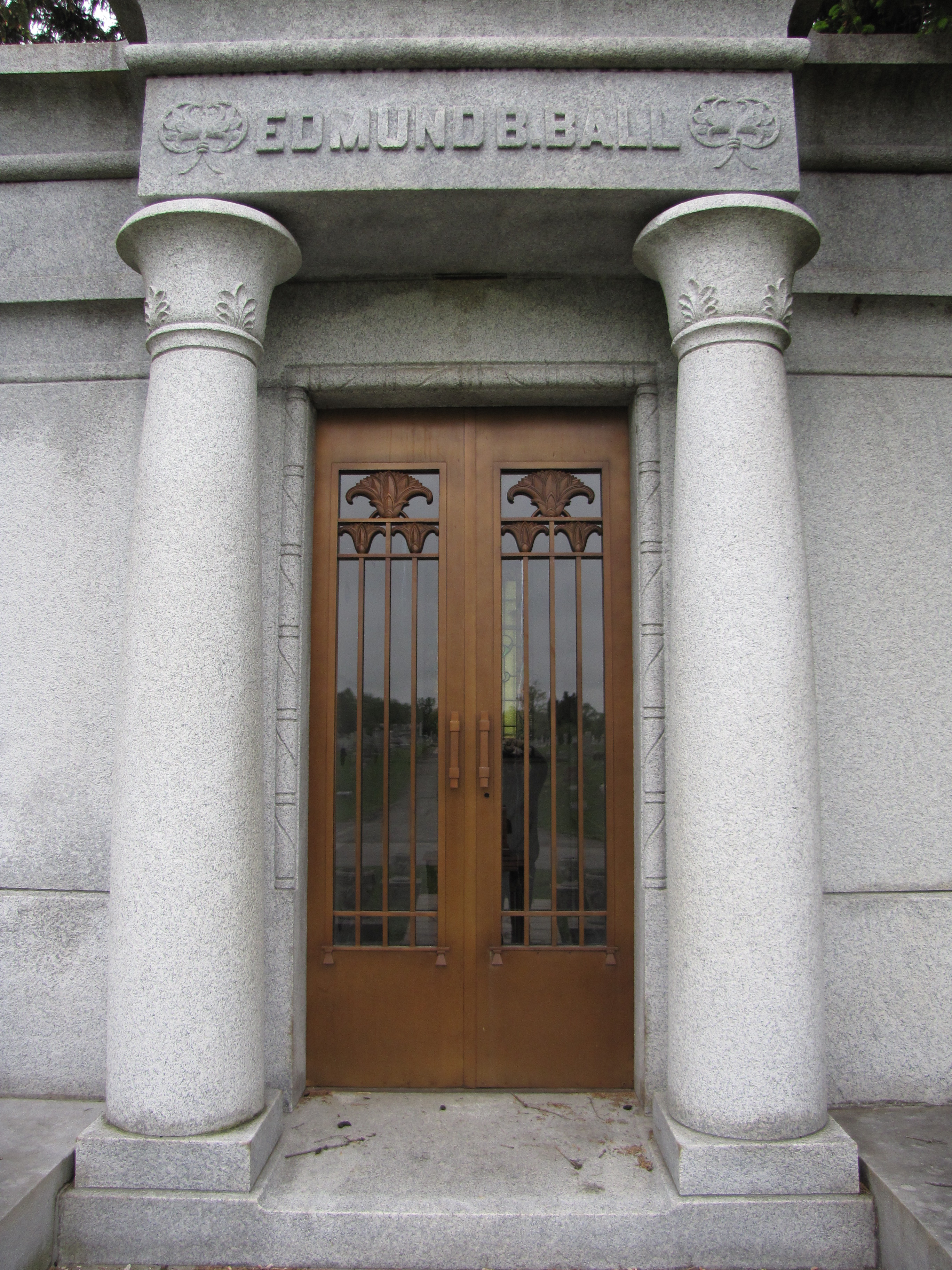
The light gray granite mausoleum has many features of Egyptian temples–the cavetto cornice that curves into a half circle at the top of the tomb, the torus molding around the door that are designed to emulate long bundled plants, the heavy tapered columns, and the mausoleum walls that slant inward. Flanking Edmund Ball’s name are a pair lotus flowers bundled together.  In Egyptian Mythology, the lotus was seen to be linked to the sun god Ra, because it’s tender flowers opens at sunrise and follows the path of the sun during the day, closing only after the sun goes down.  Three steps lead up to a pair of bronze doors that, again, feature lotus flowers.

The Egyptian Revival tomb gives one the sense of solominity and a sense of eternity, just as the temples of the pharaohs did.

.

Posted in Mausoleums | 3 Comments

Mother’s Day

Grove Lawn Cemetery, Pendelton, Indiana

The weathered square-top white marble tablet in the photograph above is nothing special.  This kind of marker is ubiquitous in American cemeteries.  Not the kind of gravestone that draws attention because it is plain and not adorned with any remarkable features or ornamentation.  But at closer inspection, this particular white marble tablet hints at a sad and poignant story—one that was all too common in the United States in the 1800s.  It speaks to the danger of becoming a mother.

According to the American Journal of Clinical Nutrition, Volume 72, Number 1, 241s-246s, July 2000, “There are few reliable data on maternal mortality rates in the United States before 1915, but thereafter, the United States had the highest rates of maternal mortality of any developed country.”  One can assume that it wasn’t lower in the 1800s, at least, not substantially.  According to that same article, a chart that maps out maternal deaths from 1900 to 1997, indicates that there were nearly 900 maternal deaths per 100,000 live births in the first year of the 20th Century.

The young mother on this gravestone, Sarah, was only 34 years old when she died on March 9, 1845, and she had already given birth to 6 children!  Her epitaph reads: The mother of six children, 2 lies by her side.  The epitaph gives a hint about the dangers of not only giving birth but of the newly born.  Each one of her births increased the statistical likelihood that she would die in childbirth.

While we celebrate Mother’s Day this weekend, it is good to remember the sacrifices made by our mothers and the risks they took to bring us into the world.

Posted in Epitaphs | 3 Comments

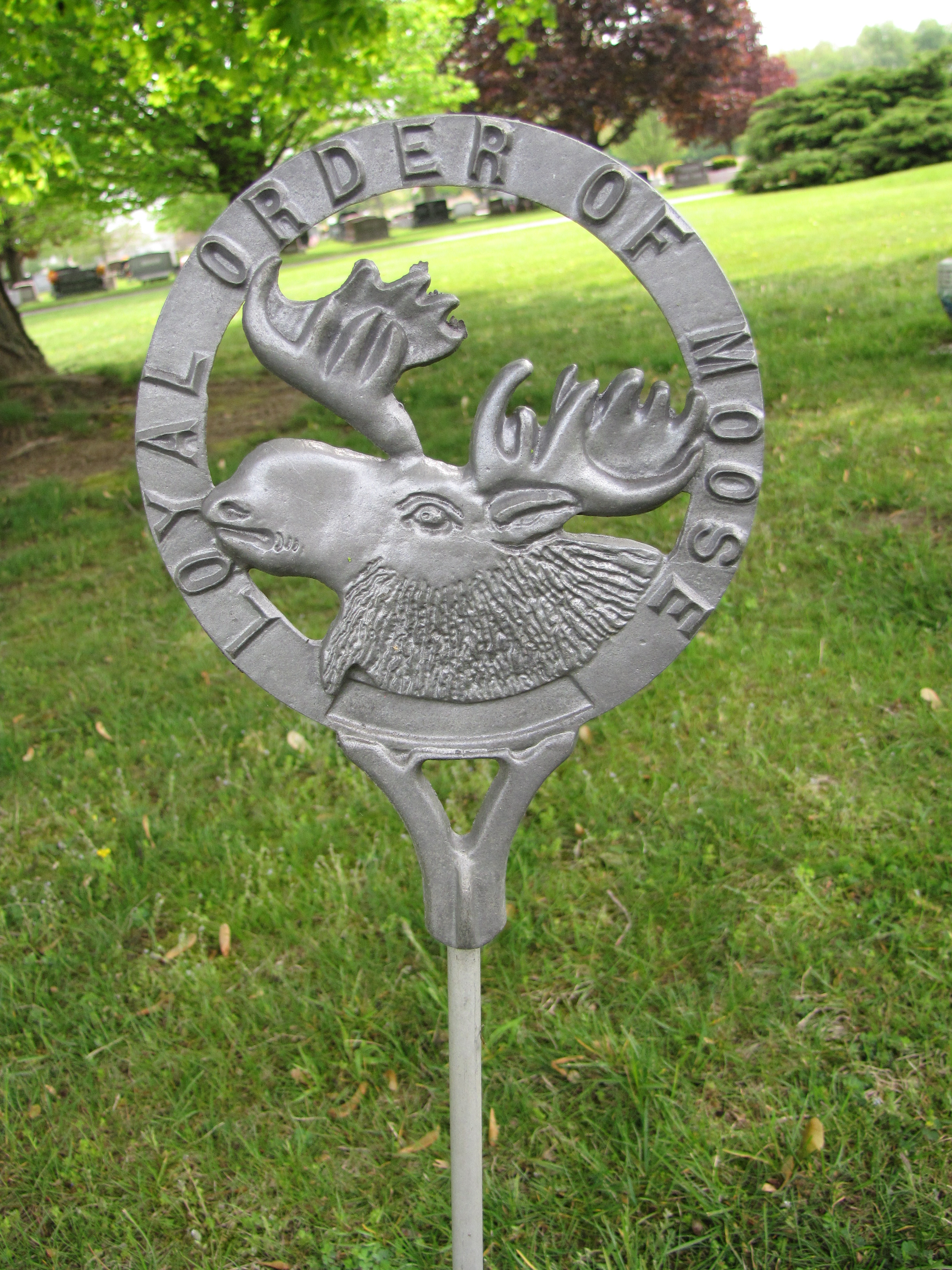
The Loyal Order of Moose

Chesterton Cemetery,Chesterton, Indiana

The Loyal Order of Moose was founded in a doctor’s living room in Louisville, Kentucky, in the spring of 1888.  Dr. John Henry Wilson organized the order as a place for men to get together to socialize.  By the early 1890s several lodges had been formed in cities close to Louisville, such as, Cincinnati, St. Louis, and small towns in Kentucky and Indiana.

However, the order languished until a bright, energetic government employee, James J. Davis, from Elwood, Indiana, who believed that he could build the organization’s membership was given the challange and the title–Supreme Organizer.  Membership soared when the organization offered an insurance program with membership dues of $5 and $10 for men who if they became disabled or died would provide a “safety net” to their widows and children.

When James Davis joined in 1906, membership was a spartan 247 members.  With his membership drive, the organization had grown to nearly a half a million members in over a thousand lodges.

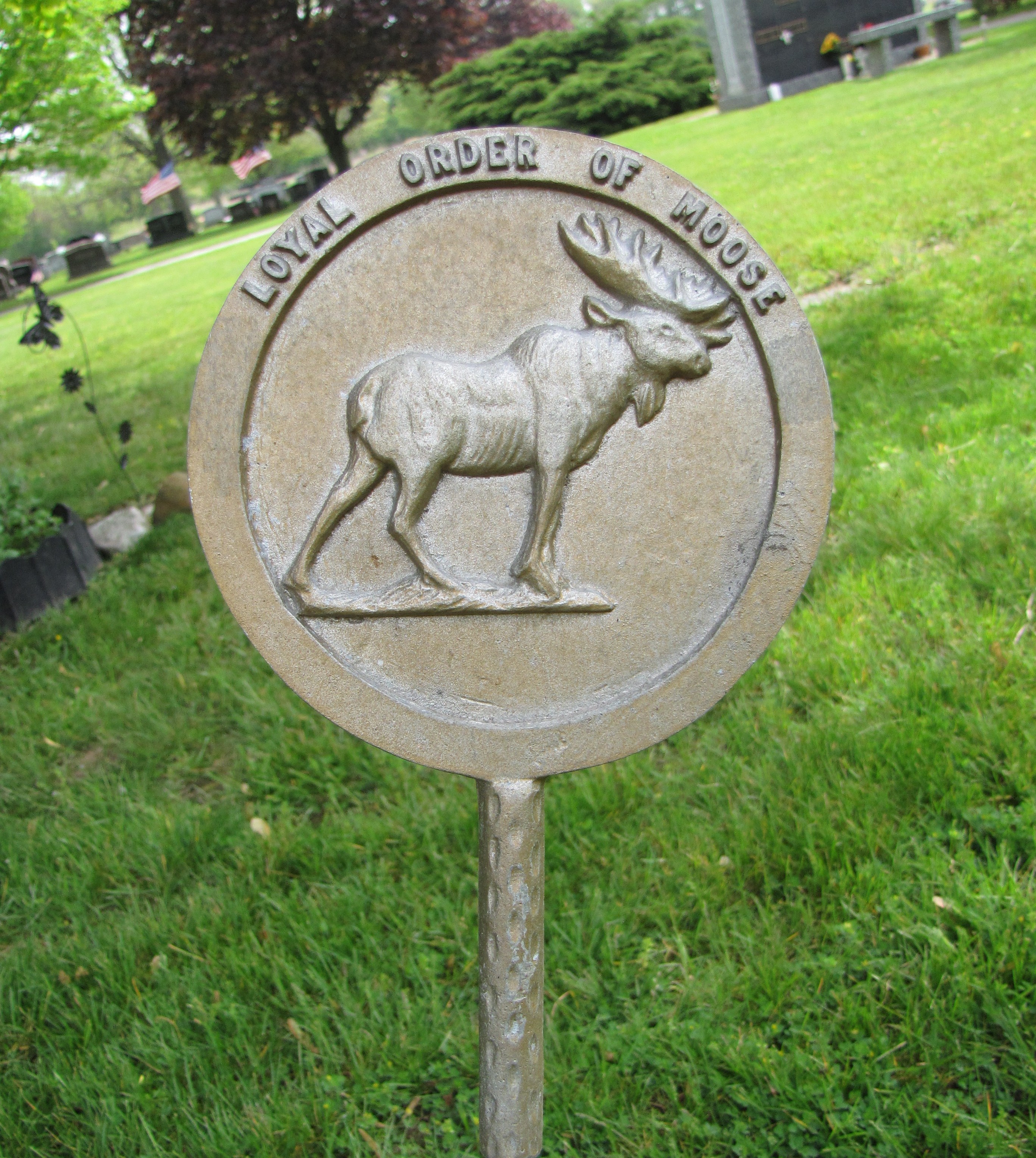
Most of the metal markers that designate that the deceased was a member of the Loyal Order of Moose only show a moose head, but this marker displays the entire moose!

Chesterton Cemetery, Chesterton, Indiana

Posted in Metal Markers | Leave a comment

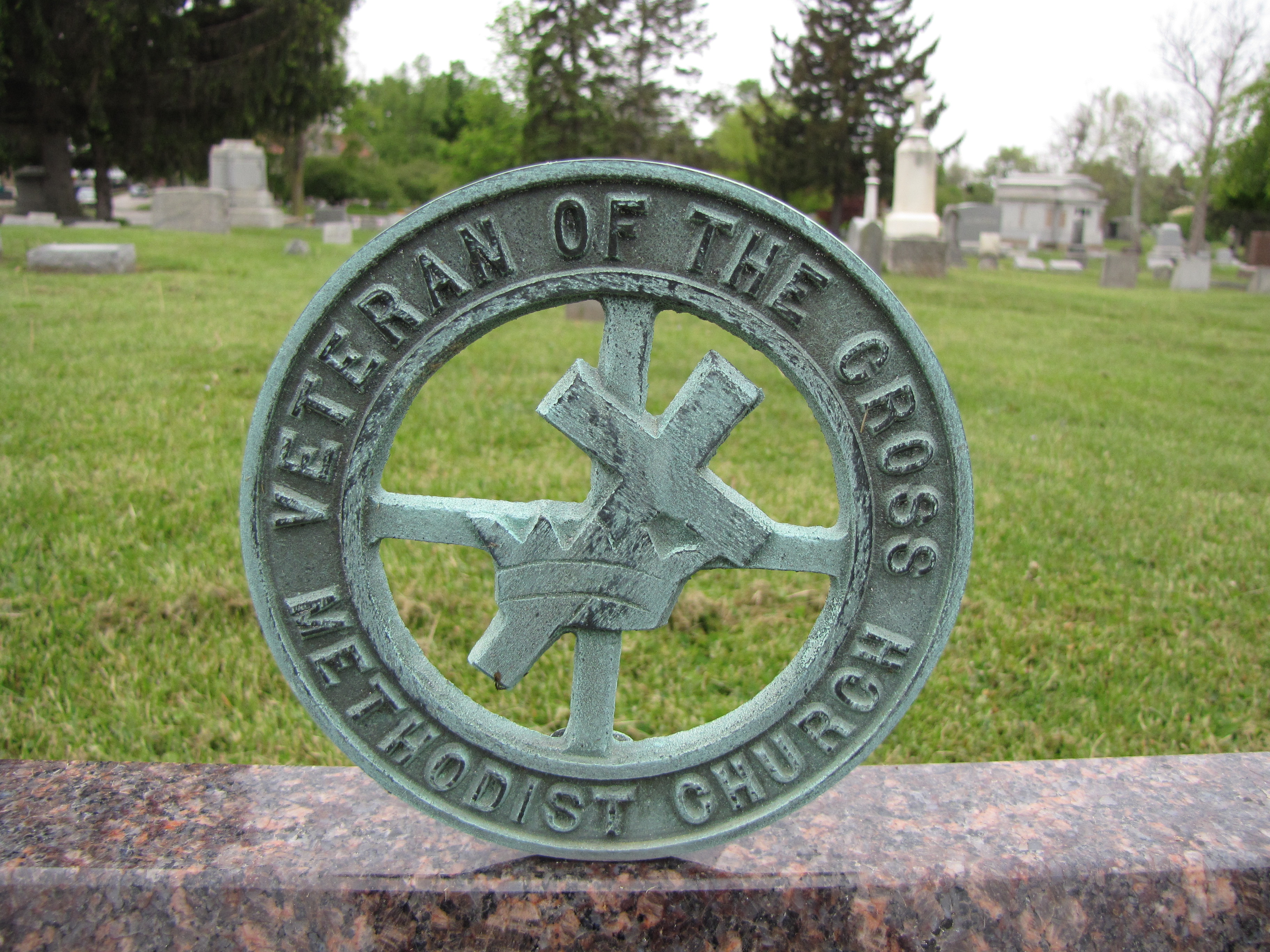
Veteran of the Cross

Beech Grove Cemetery, Muncie, Indiana

Some of the lowest paid professionals of the Twentieth Century were men and women of the cloth who served congregations across the country.  Pastors work long hours, stay up with families in joyous times and some of the most trying times of illness and death.  Ministers are there when people get married and buried.  In many cases the pastors provide the religious education and inspiration for entire communities.  Many of them then retired from service without pensions or with very small ones.

Veterans of the Cross is a collection (sometimes called the Christmas Fund) that was started to help pastors and their spouses and children.  The fund augments retirees with pension supplements, health premium subsidies, emergency assistance, and to help families pay for utilities.

Posted in Metal Markers | 1 Comment

The Boat to the Other Side

Lake View Cemetery, Seattle, Washington

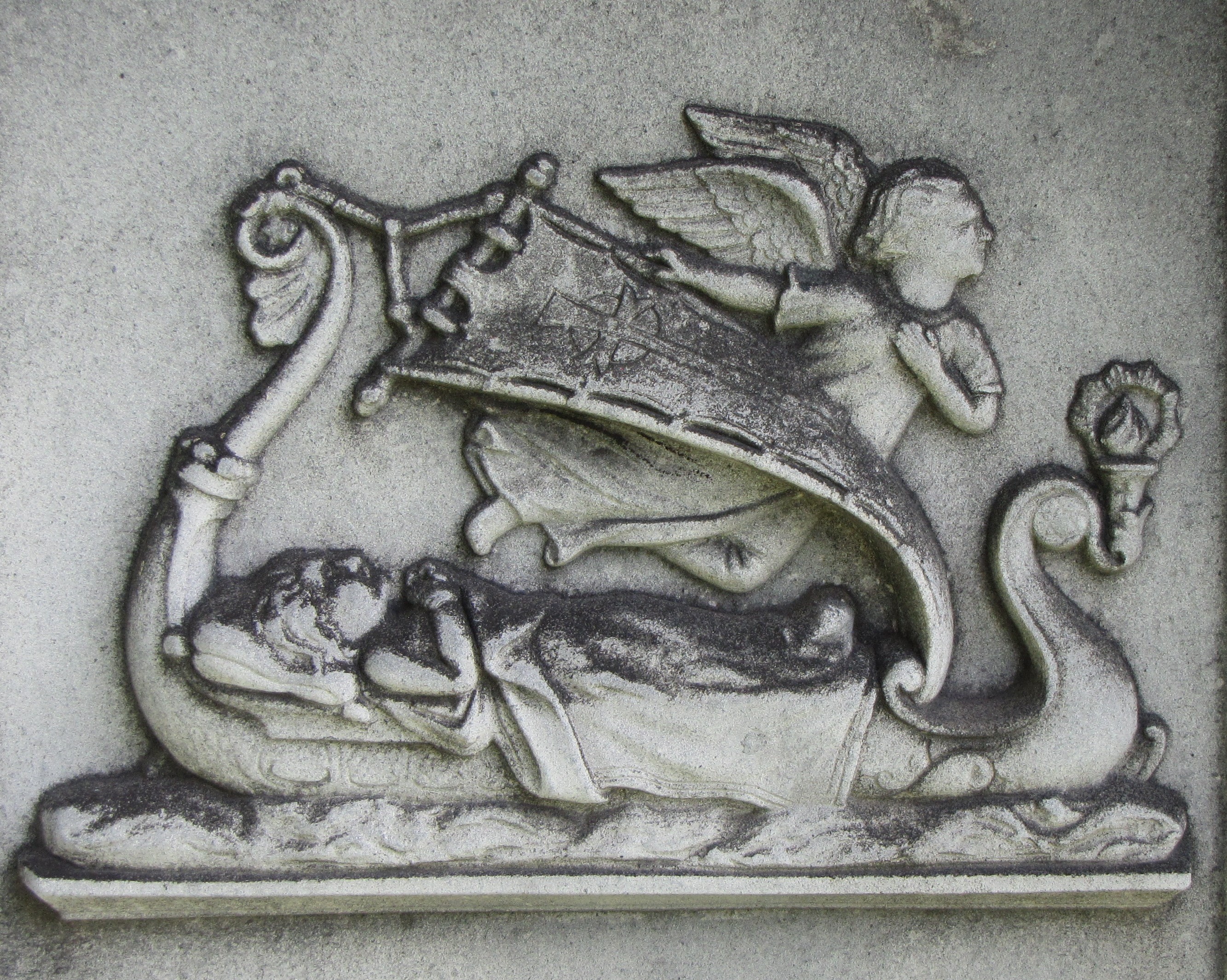
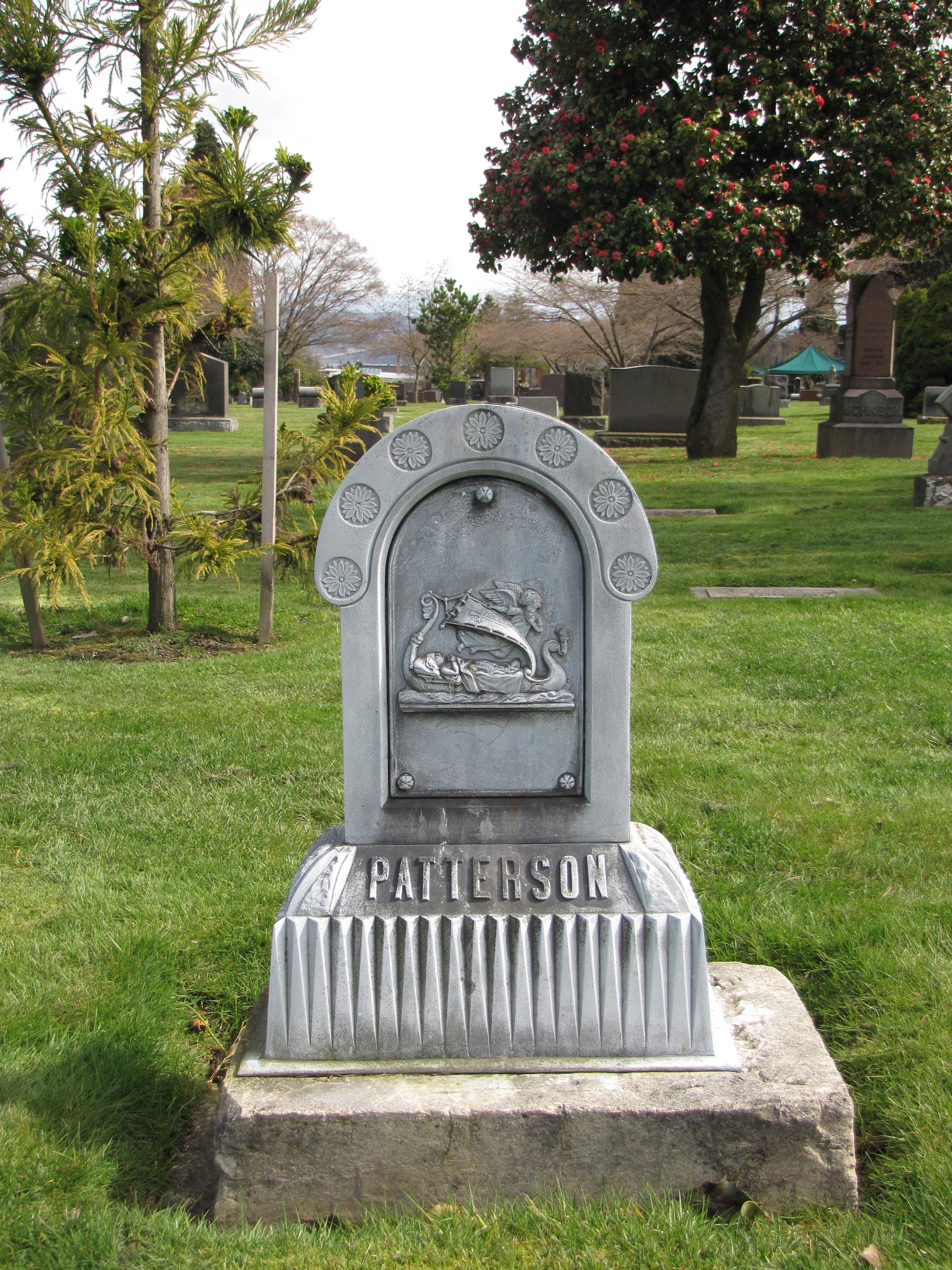
Since ancient times, the imagery of the boat to ferry a soul from one realm to the other has been a part of the symbolism of death.  In Greek mythology, the River Styx wrapped its way around Hades (the Underworld) nine times.  To cross from this life to the next, the dead had to pay with a coin to be ferried from the realm of the living to the realm of the dead.  The toll was placed in the mouth of the deceased to pay Charon, the ferryman.  It was said that if the dead person did not have the coin, he was destined to wander the shores of the River Styx for a century.  The “boat” was one of the images found on Victorian graves to represent the crossing from one world to the next.

In the case of the marker above, it is not Charon ferrying the soul to the other side but a winged angel, whose way is lit by a torch radiating light on the front of the boat.

Posted in Symbolism | 1 Comment