Homesick

Rose Hill Cemetery, Bloomington, Indiana

As I  walked through the Rose Hill Cemetery in Bloomington, Indiana, I was surprised to see “LOST ON THE TITANIC” carved into a large granite monument.  There in front of me was a part of one of the most dramatic stories of the early part of the twentieth century.  

On April 14, 1912, the White Star Line ship named, Titanic, for it’s enormous girth of 46,328 tons of steel, lurched forward on that fateful and foggy night, hit an iceberg in the icy waters of the Atlantic Ocean.  At 11:30 p.m. the massive luxury liner began to take on water.

The story of that night is legendary.  The individual stories, though, are often lost in the telling of the BIG STORY about the notable ocean liner that was reported to be unsinkable.  Because of a shortage of lifeboats, 1,513 of the 2,244 people on the ship were lost.  In this case, John Bertram Crafton of Indiana, affectionately dubbed the “stone king” because of his success in the Indiana limestone business, had gone to bathe in the healing spa waters of Europe to cure his rheumatism. 

As it turned out, a case of homesickness caused Crafton to change his plans from sailing back on the German ocean liner Kaiserin Auguste Victoria to book a week earlier on the Titantic.  That decision sealed his fate.  J. B. Crafton was lost on the Titanic and his body was never recovered.

The monument in the Rose Hill Cemetery is a cenotaph.  It was erected to commemorate the life and death of a person who is not buried under the tomb.  The word cenotaph originates from the Greek word kenotaphionKenos means empty and taphos tranlsates to tomb–together they form “empty tomb.”
Posted in Famous graves | Leave a comment

Tumulus

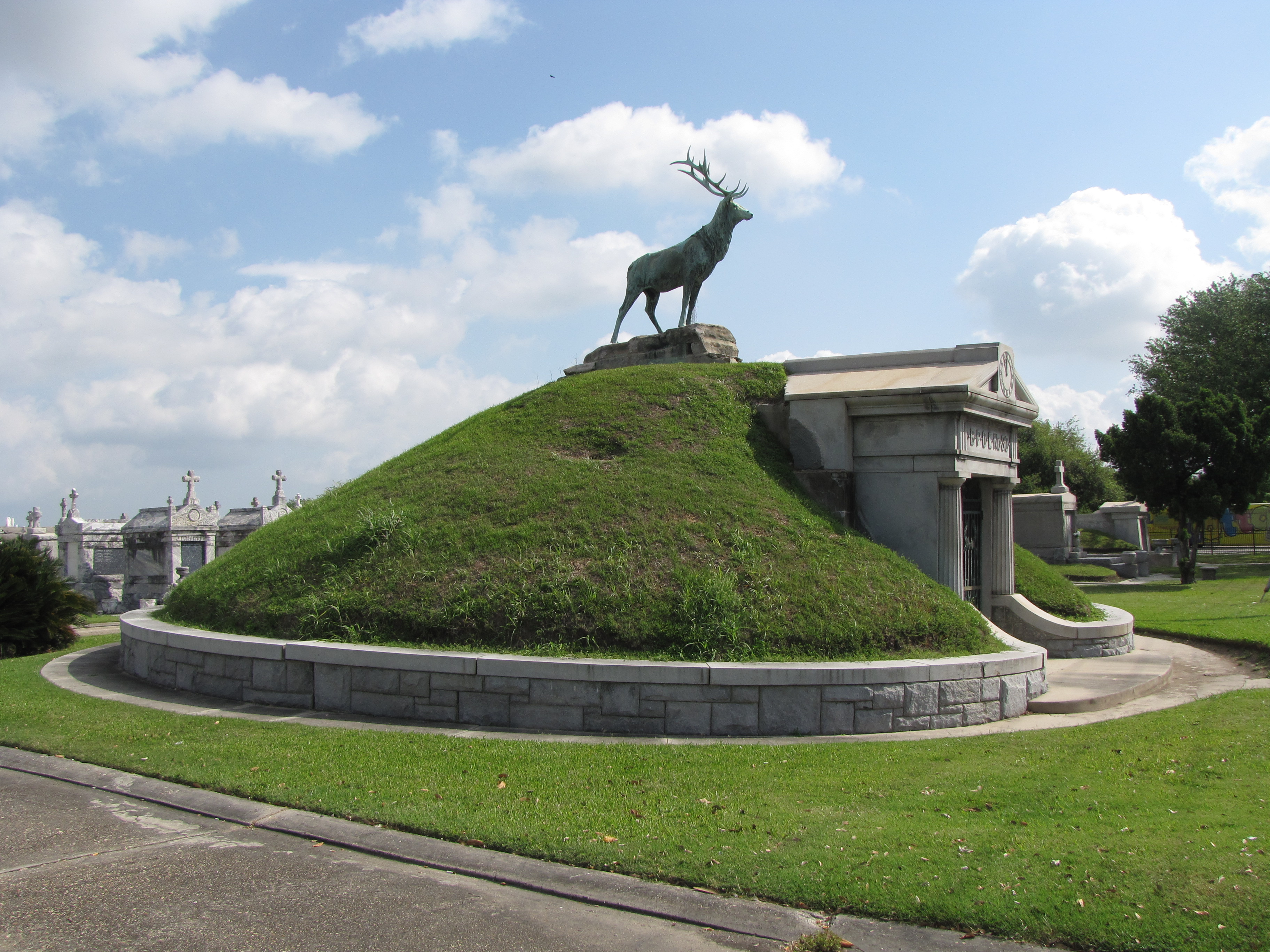
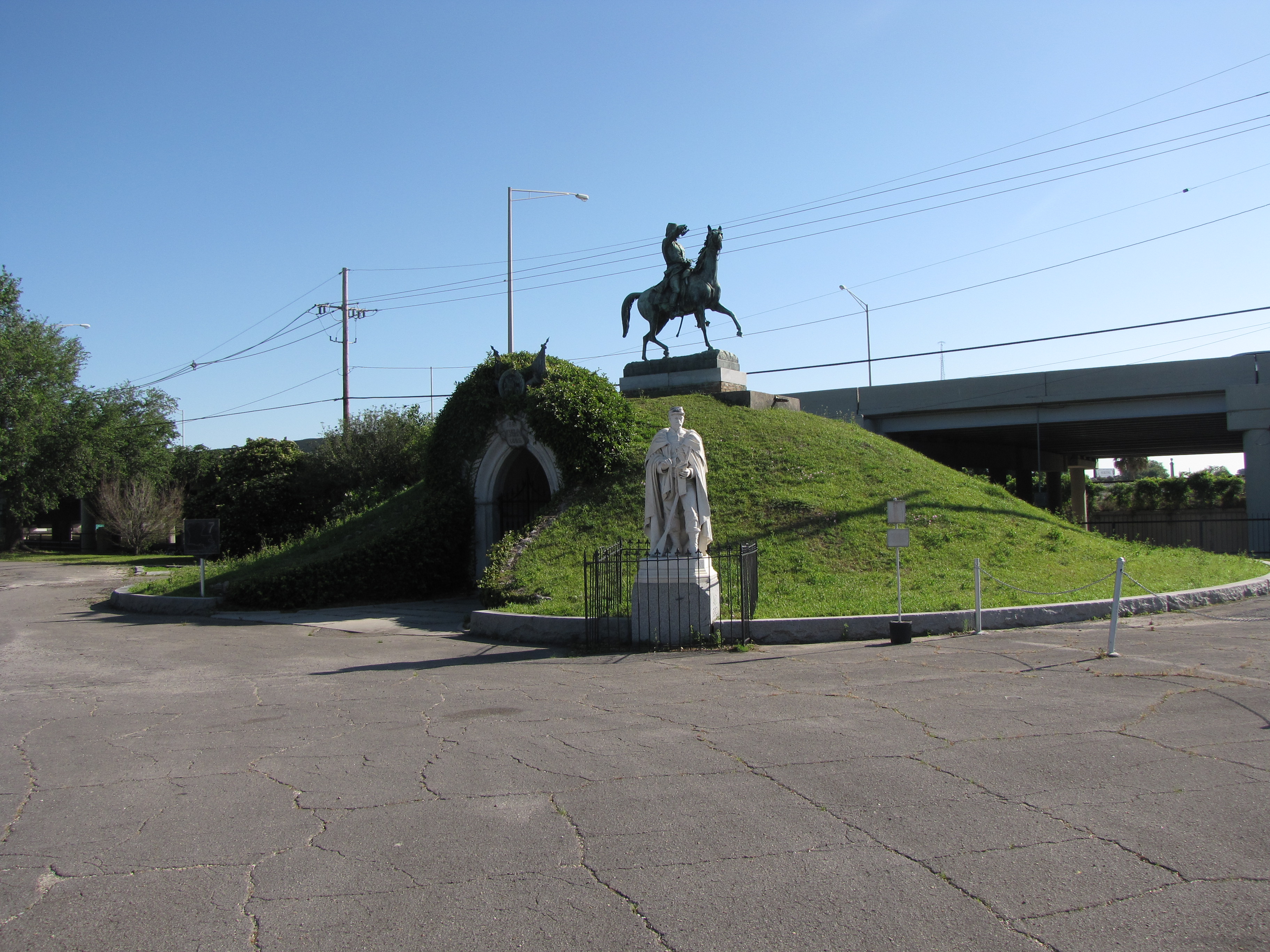
The Tomb of the Army of the Tennessee, Louisiana Division, Metarie Cemetery

The tumulus is a mound form of burial that dates back to prehistoric peoples 4,ooo to 5,ooo years B.C.  Examples can be found throughout Europe, Asia, and North America.  There are many examples in the United States from Maine to Georgia and as far west as the Dakotas and Kansas.  These artificial mountains or conicals, first built in North America in what is now Wisconsin, have been carbon dated to about 1200-1500 B.C.  The tumuli are dome-shaped hills used for ritual burials. Other examples, such as Effigy Mounds in Eastern Iowa, were built some 3,000 years ago for the same purpose of creating an imposing memorial to the dead.

Today, tumuli as a burial form can be found in some large cemeteries.  The example above is in the Metarie Cemetery in New Orleans.  The mound creates an imposing monument to memorialize the communal tomb for soldiers of the Army of Tennessee, Louisiana Divison.  Inside is the tumulus, among others, is the grave of Confederate General Pierre G. T. Beauregard.

Below is the communal tomb for the Benevolent Protective Order of Elks in the Greenwood Cemetery, also in New Orleans.

The BPOE Society Tomb, Greenwood Cemetery, New Orleans

Posted in Uncategorized | Leave a comment

The Elks metal markers

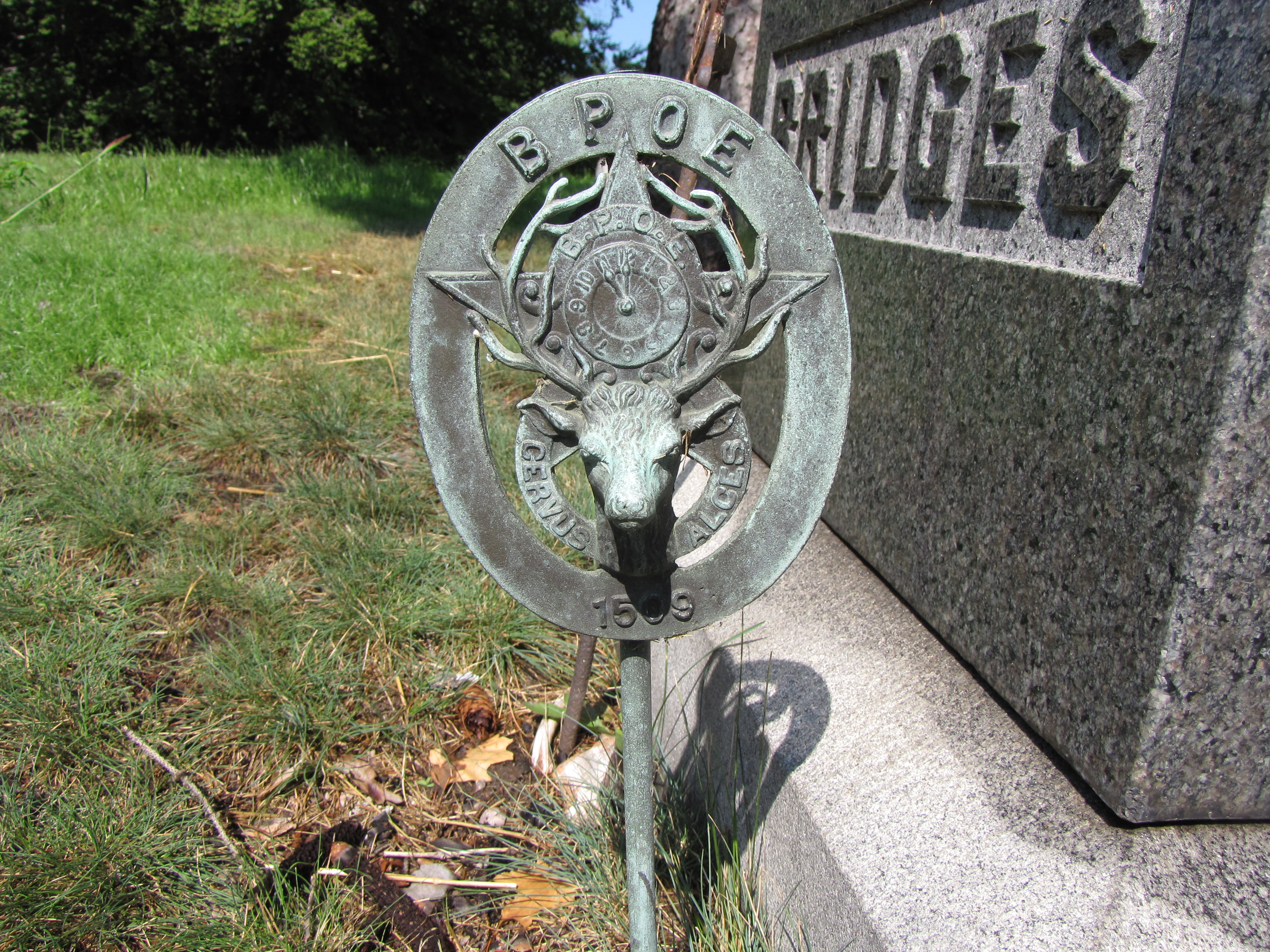
Lakeview Cemetery, South Haven, Michigan

The Benevolent Protective Order of Elks metal marker above includes the two most significant symbols for the Elks Club memebers–the Elk, of course, and the clock with the hands frozen at the 11:00 o’clock hour when the Elks traditionally remember their members who have passed away with a solemn toast.  It also carries the words “cervus alces” which is Latin referring to the genus and species for the American Elk.  Below that is a lodge number.

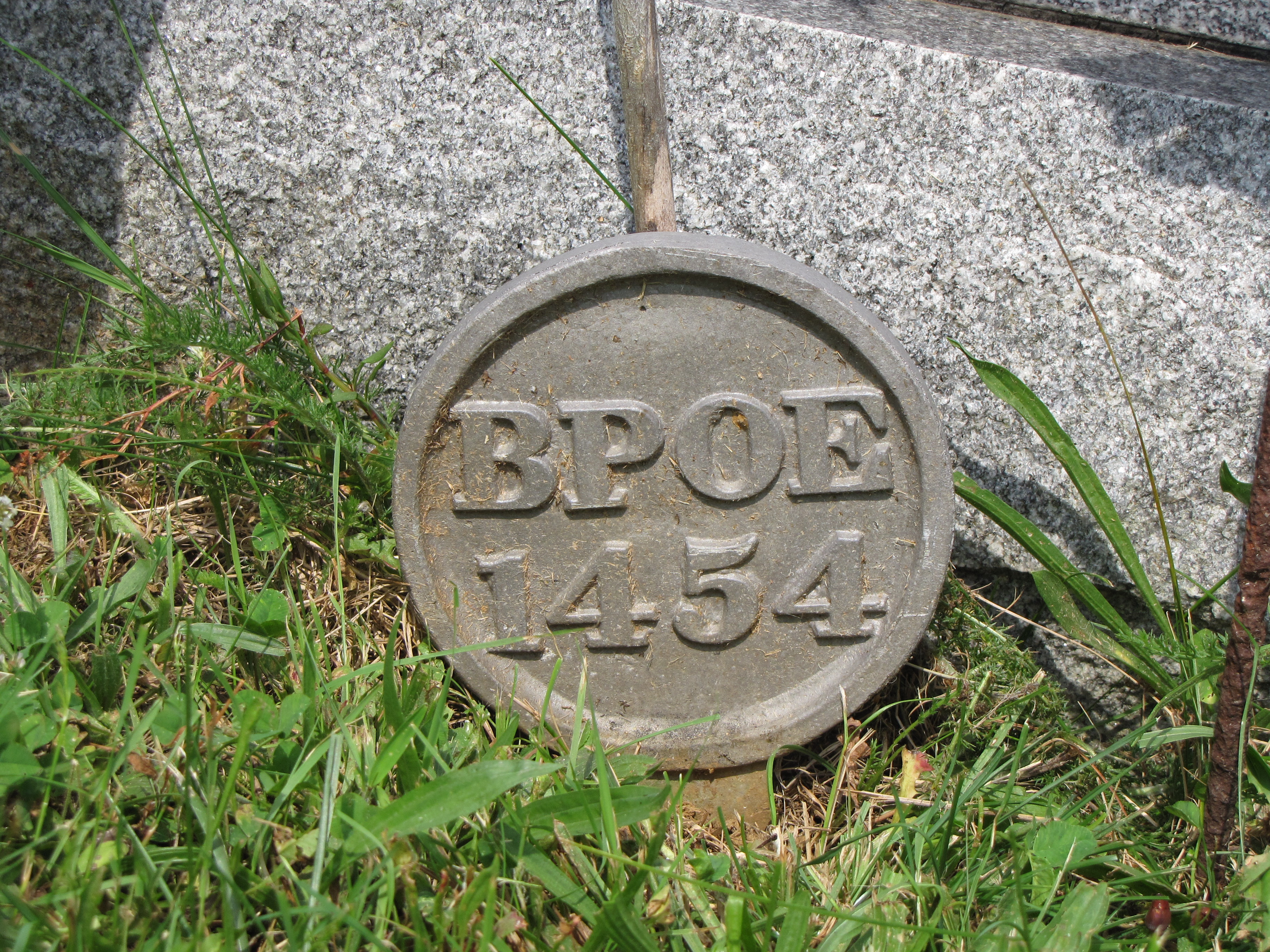
The simple oval metal marker below only has the initials BPOE and the lodge number.

Old Brick Reformed Church Cemetery, Holmdel, New Jersey

Posted in Metal Markers | 2 Comments

President William Howard Taft

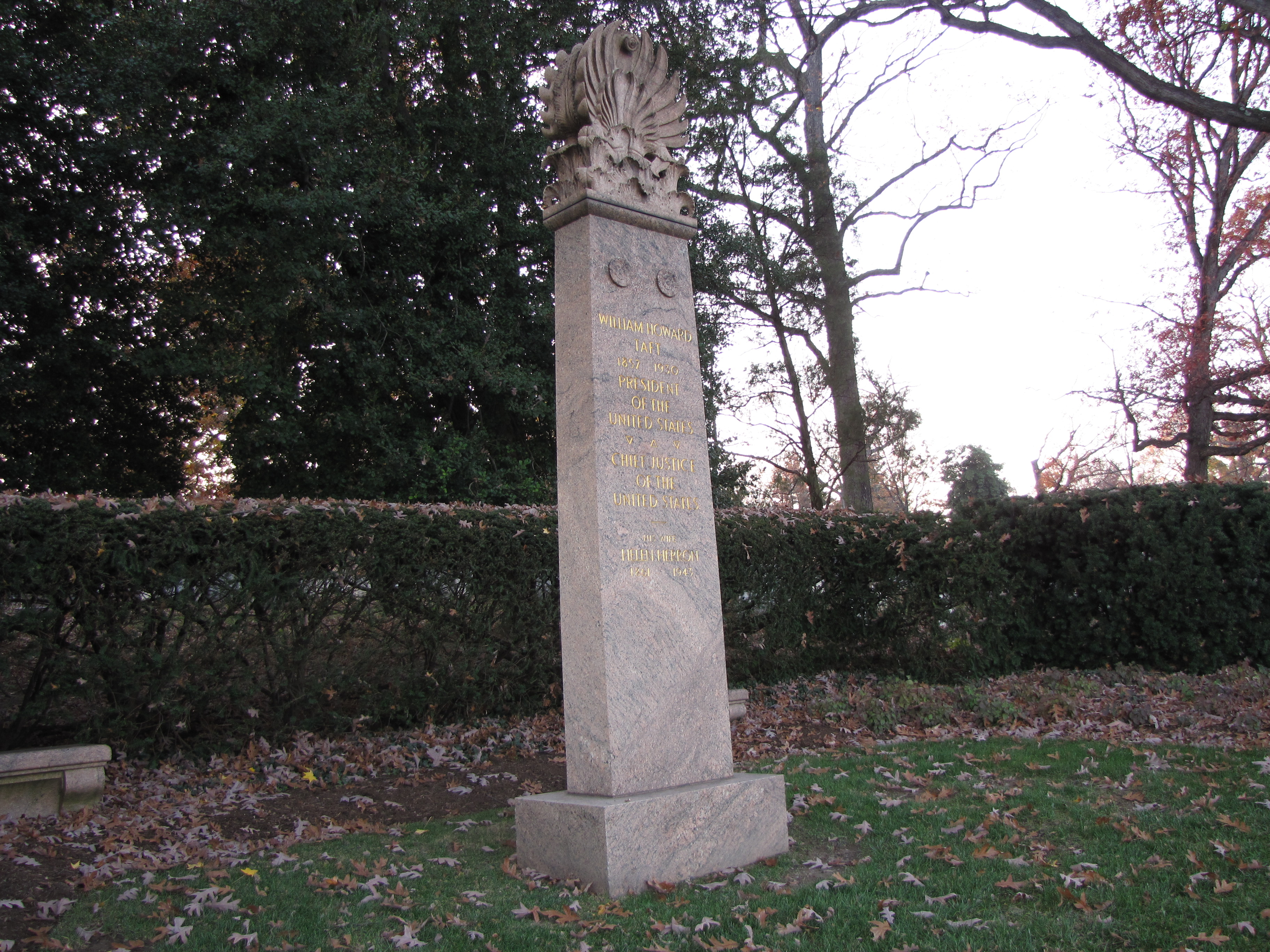
Arlington National Cemetery

The elegant 14 and a half foot tall Stony Creek granite monument designed by James Earl Frazer marks the graves of United States President William Howard Taft and his wife and First Lady, Helen Herron Taft.  Gold lettering states their names on the marker.  The Greek Stele (stone or wooden slab generally taller than it is wide and designed as a funeral commemorative) is topped with a acroterion motif–a stylized palm leaf, that can be found on classical Roman and Greek architecture.  This motif has its origins in Egyptian art and architecture.

Taft was born into a prominent family of Ohio politicians, and was an accomplished public servant who honorably served the country for over 50 years; the only person in American history to serve in the two most powerful postions in the United States government, as president and as Chief Justice of the Supreme Court.

In today’s image conscious world it is hard to imagine that Taft could be elected president.  Taft sported a bushy walrus mustache and his 6-foot frame tipped the scales at over 300 jiggling pounds!  A story that was told of Taft that poked fun at his tonnage was told of him when he was Governor General of the Philippines.  Taft had been reportedly under the weather when Elihu Root, Secretary of War, telegraphed to ask about his condition.  Taft telegraphed back to say that not only was he feeling better, but he had just finished a 25-mile horse ride.  Root telegraphed back to ask, “How’s the horse?”

Posted in Presidential graves | Leave a comment

BPOE

Fairmont Cemetery, Denver, Colorado

The Robert Maxwell gray granite block monument in the Fairmont Cemetery in Denver, Colorado, displays the initials B.P.O.E (Benevolent Protective Order of Elks) and one of the most important Elk’s motifs–the clock with the hands pointing to eleven o’clock.  The clock symbol is central to one of their evening rituals.  Elks read the following tolling address in honor of their absent brethren at eleven o’clock:

“My Brother, you have heard the tolling of the eleven strokes.  This is to impress upon you that the hour of eleven has a tender significance.  Wherever an Elk may roam, whatever his lot in life may be, when this hour falls upon the dial of night, the great heart of Elkdom swells and throbs.  It is the golden hour of recollection, the homecoming of those who wander, the mystic roll call of those who will come no more.  Living or dead, an Elk is never forgotten, never forsaken.  Morning and noon my pass him by, the light of day sink heedlessly in the West, but ere the shadows of mightnight shall fall, the chimes of memory will be pealing forth the friendly message, “to our absent Brothers.”

Posted in Symbolism | Leave a comment

Elks

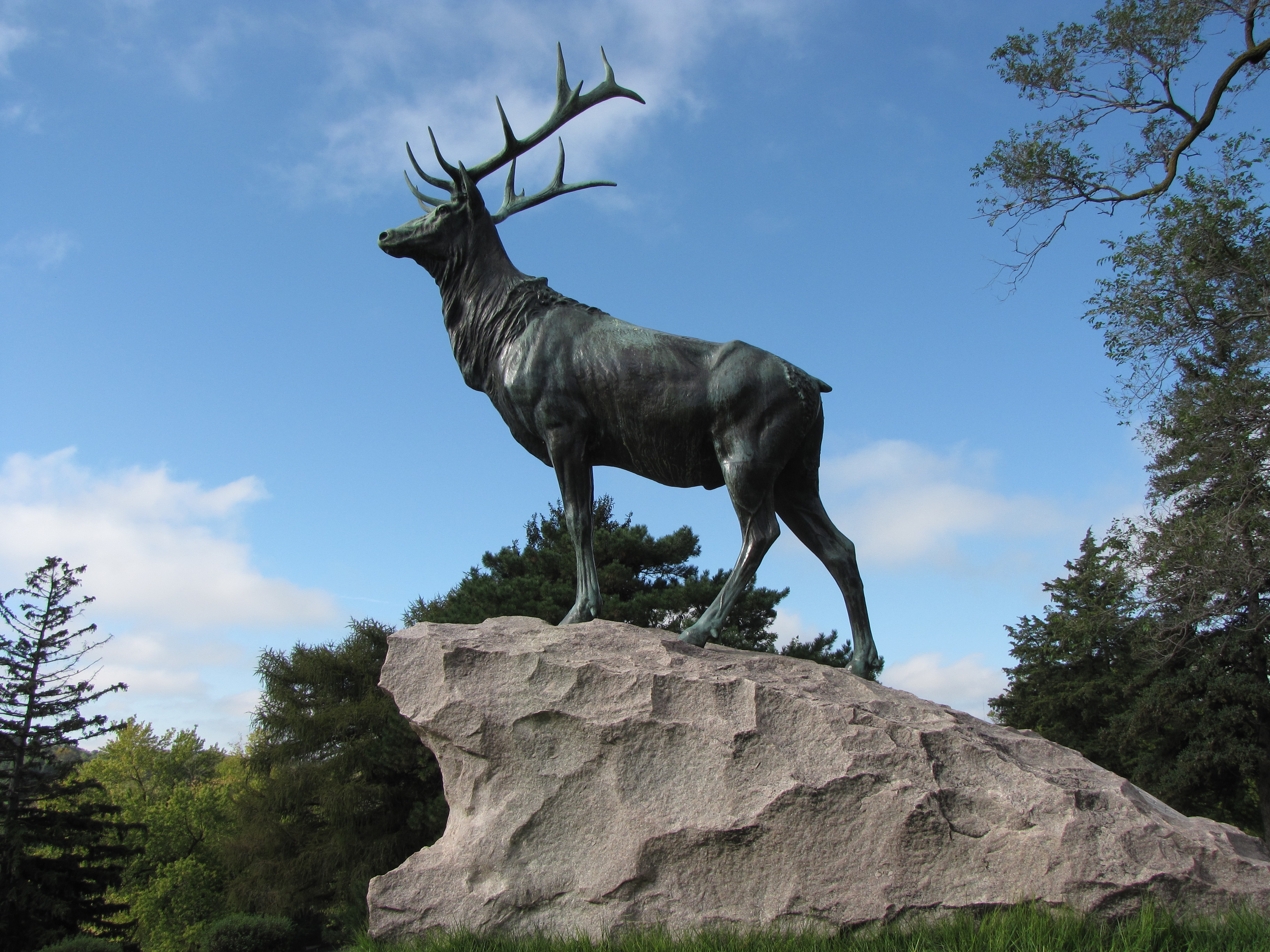
Forest Lawn Cemetery, Omaha, Nebraska

The Benevolent Protective Order of Elks, one of the many fraternal organizations in the United States, was originally a drinking club called the Jolly Corks founded in 1866 by a group of actors, who evidently liked to drink.  The club members made the fateful decision to change their organization’s name and increase their mission from frolic to public service.  Their symbol, obviously an elk, is a majestic animal as seen above in the Forest Lawn Cemetery in Omaha, Nebraska, standing guard in the Elks section of the graveyard.


Posted in Symbolism | Leave a comment

The Rose

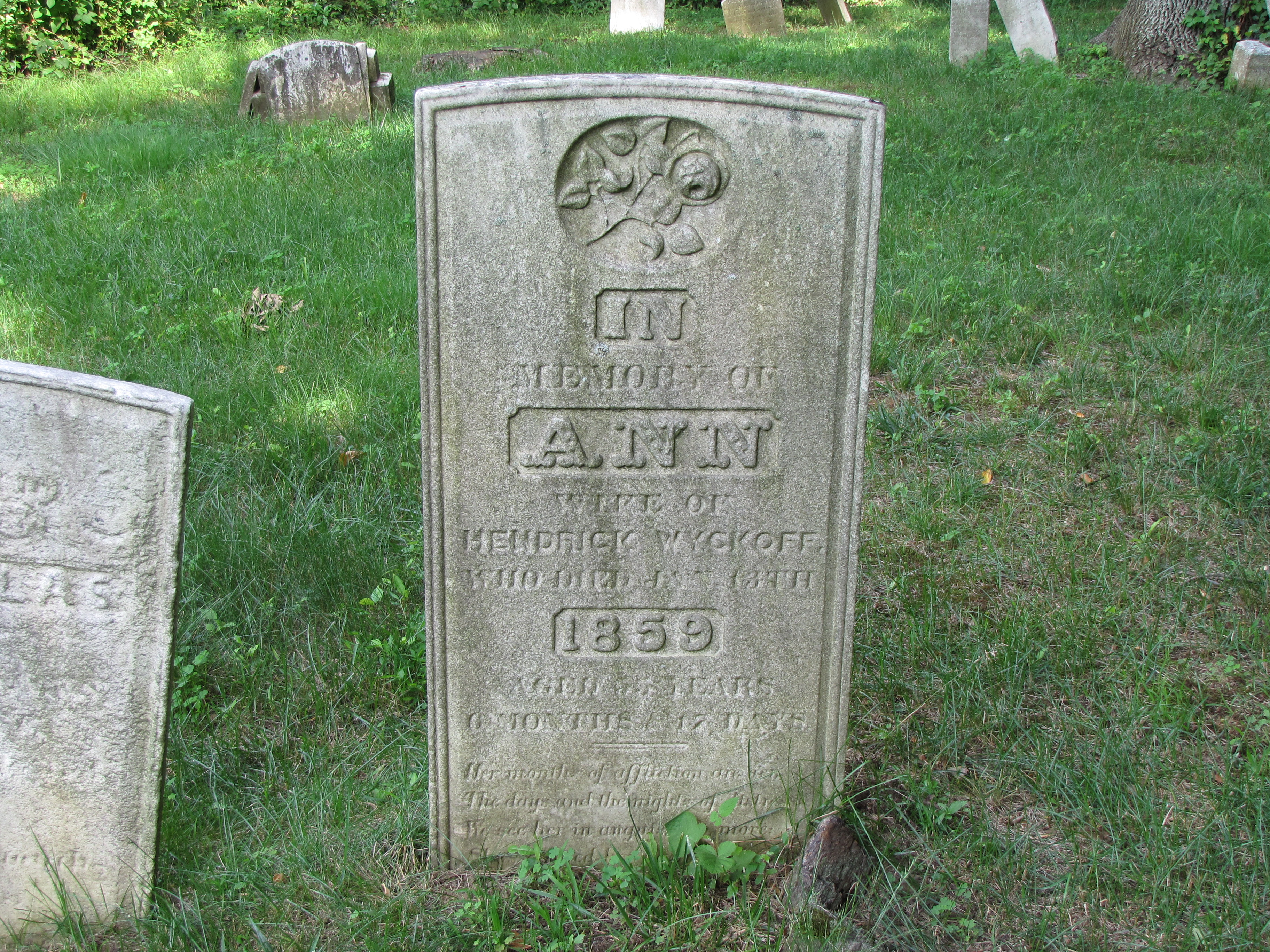
Old Holmdel Yard, Holmdel, New Jersey

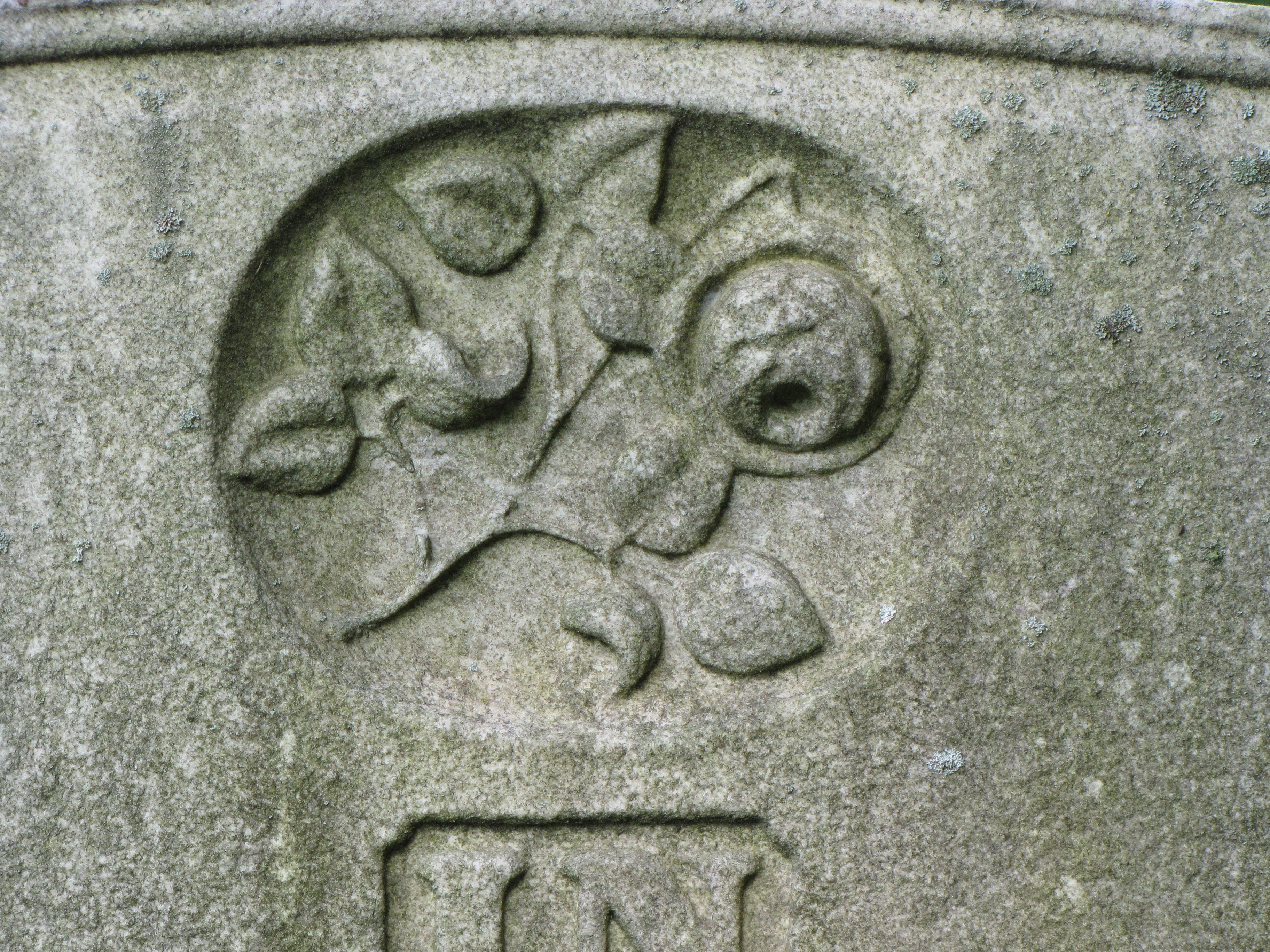
 What lovesick boy doesn’t know the meaning of a single rose, standing there on the front porch, at the beginning of his first date, nervously clutching the flower while he waits expectantly for the door to open and for his date to greet him?  Romantics have waxed poetic about the rose and the connection to love for centuries which has made the rose an undeniable symbol of love.  On this gravestone, Hendrick Wyckoff expresses his love for his wife, Ann, who had been long suffering of an “affliction” before she died.  The rose on this gravestone is in full bloom with the stem broken–an adult who has died.

The rose also has a religious meaning, differing by color.  The white rose symbolizes purity while the red rose represents martydom and the messianic hope that Christ will return.

Old Holmdel Yard, Holmdel, New Jersey

Posted in Symbolism | Leave a comment

Modern Woodmen of America

Waterbury Cemetery, Waterbury, Vermont

Joseph Cullen was a prolific founder–he founded four fraternal organizations during his lifetime, one of them being the Modern Woodmen of America (MWA).  MWA was founded on on January 5, 1883.  Root himself had been a member of several organizations, including the Odd Fellows, but he wanted to create an organization that was beneficial.  He wanted to make sure that after the death of the breadwinner that the family would be protected through a death benefit payout.

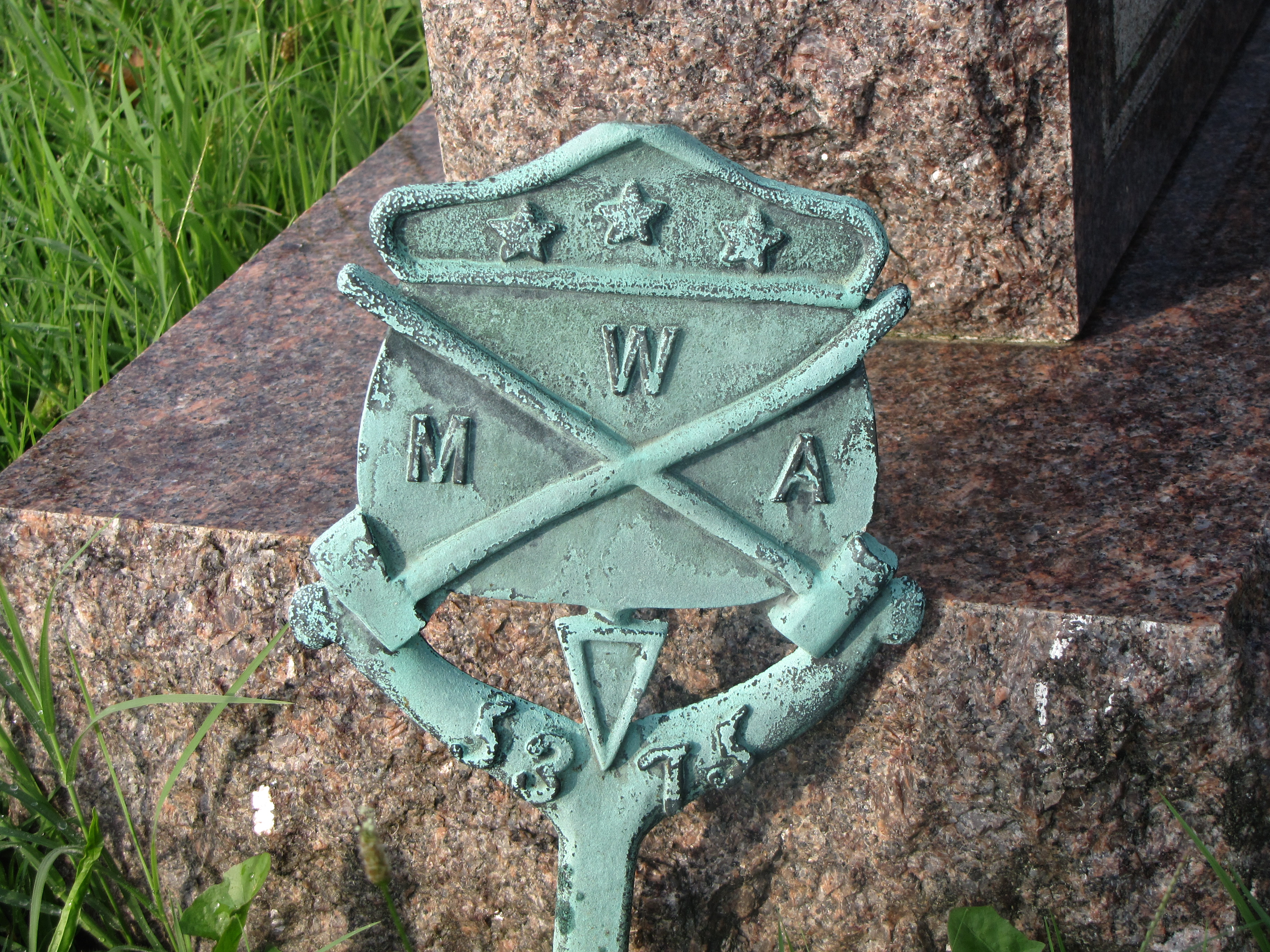
“During a Sunday sermon in Lyons, Iowa, Root heard the pastor tell a parable about the good that came from woodmen clearing away the forest to build homes, communities, and security for their families. He adopted the term Woodmen.”  The influence of that sermon can also been seen in the metal marker above that has the symbols of the organization – axe, beetle and wedge – symbolizing industry, power and progress – superimposed on face of a log that has been cut in half.

The marker below has the same three symbols but on the face of a shield.

Mt. Olivet Cemetery, Hanover, Pennsylvania

Posted in Metal Markers | Leave a comment

Another Sea Shell

Mt. Bethel Meeting House Cemetery, New Jersey

The shell is an obvious symbol of baptism because of its association to water.  In fact, a shell is often used to scoop up and sprinkle water during the baptismal ceremony and often designed as part of the decoration and symbolism of a baptismal font. 

The shell also represents the journey of a Christian pilgrim.  The journey to find salvation and rebirth of the soul.  According to the Association for Gravestone Studies Website, Christians during the Middle Ages would venture out on their pilgrimage to the shrine of St. James of Compostella in Spain.  After the pilgrimage they would wear a scallop shell as a sign that they had made the religious trek.

Posted in Symbolism | Leave a comment

Cloaked sentinel

Forest Lawn Cemetery, Omaha, Nebraska

There were two cemeteries, The Mormon Pioneer Cemetery and Forest Lawn Cemetery, close to Florence Elementary School where I attended kindergarten through fifth grade.  Since the Pioneer Cemetery was on the way home, if I took the long way, I never spent much time wandering around the Forest Lawn Cemetery, or at least not much past the gates.

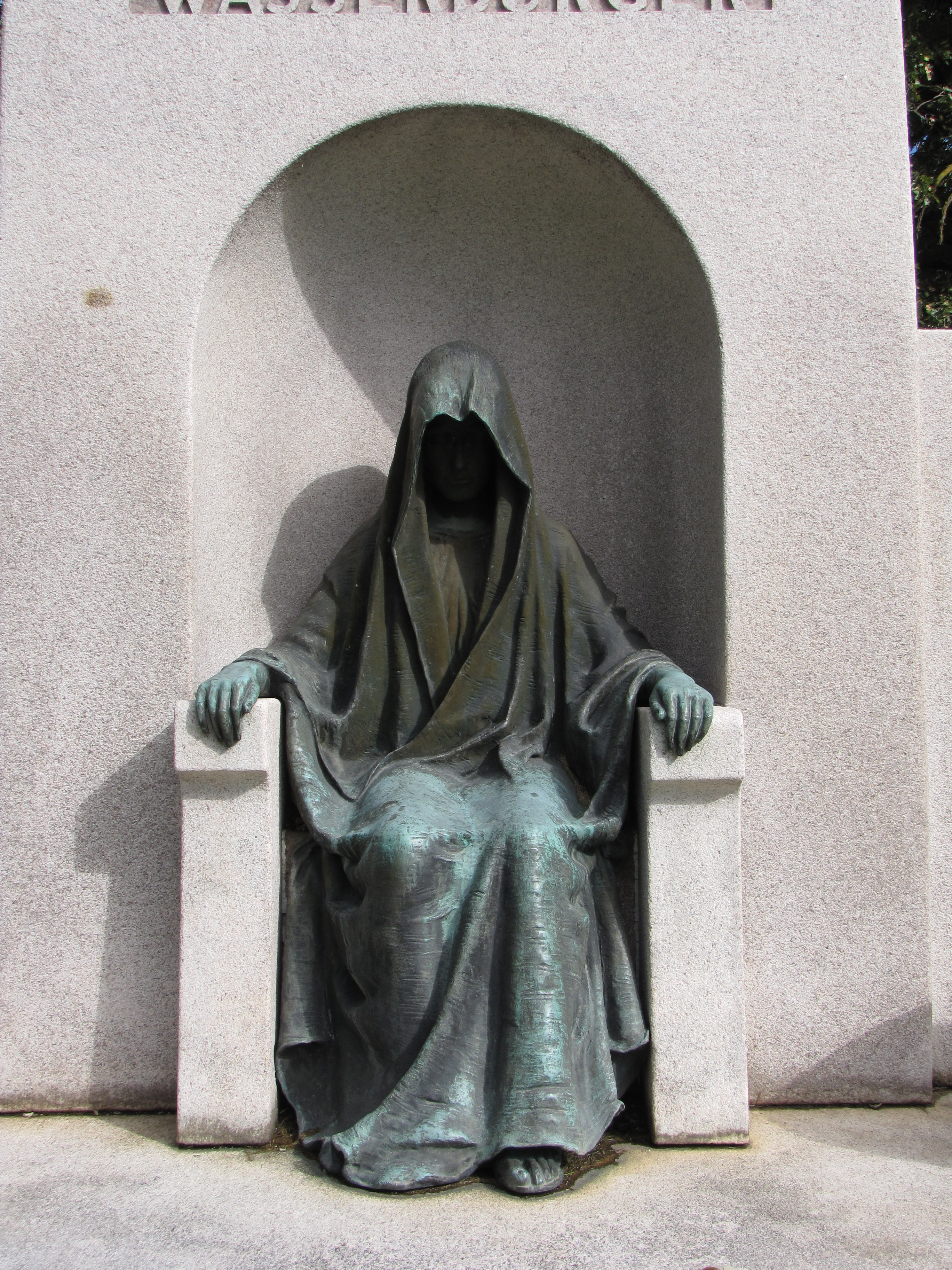
But tucked away inside is the Josiah and Alma Wasserburger Monument, erected in 1938 and constructed at a staggering cost for its day.  Josiah and Alma both died in 1956, 5 days apart and left no record behind revealing who the cloaked figure represents.  There is speculation about it.  Some think the figure is Christ but closer examination of the seated statue reveals a woman’s face beneath the shroud.  The monument yields no clue about the indentity of this female sentinel.

The monument has the following inscription:

THE FAULTS OF OUR BROTHERS

WE WRITE UPON THE SAND

THEIR VIRTUES UPON THE TABLETS


OF LOVE AND MEMORY

LIFE IS REAL! LIFE IS EARNEST!

AND THE GRAVE IS NOT ITS GOAL

DUST THOU ART TO DUST RETURNEST

WAS NOT SPOKEN OF THE SOUL

The inscription devulges no clues either, but leaves behind a message about the body’s decay but not of the soul’s.

This is the kind of monument that give cemeteries a reputation for being scary.  I have to admit, even though, I have had an affinity for cemeteries for as long as I can remember, had I spied this as a kid a long about dusk, I would have been creeped out and probably run outta there as fast as I my squat fat legs would have propelled me.

My first cousin, Rick, used to unscrew the single bare lightbulb that hung from the ceiling in our attic, lock me in, and then whisper to me through the door that Miss Rat and Tilly Witch were going to eat me.  I was terrified.  So, I was jumpy as a little kid anyway.  Who knows?  This cloaked mourning figure mightta spooked me away from what has become a passion in my middle age.

Okay, well, slightly past middle age. Well past middle age.

Posted in Symbolism, Uncategorized | 2 Comments